The Most Useful Travel Tips: The Ultimate Travel Planning Guide (From 20 Years of Mistakes)
I have been travelling internationally for more than 20 years, across Southeast Asia, Europe, the Caribbean, and North America. Along the way, I have made just about every mistake you can make. I have shown up at borders with the wrong visa, nearly been denied entry because of passport rules, overpaid wildly for airport taxis, had my bank freeze my cards mid trip, and even come home to a burst water line that flooded my home while I was away.
I also travel for specific reasons, especially scuba diving, which means dealing with long haul flights, remote destinations, tight connections, and a lot of logistics that can go wrong if you do not plan properly. Over time, I have learned which details actually matter and which ones do not.
This guide is the result of all of that trial and error. It is not written from theory or from a list of generic tips. It is the checklist I personally use before almost every trip to make travel easier, safer, and far less stressful.
I also made a YouTube video on this where I walk through these tips using real trips, real mistakes, and real examples, which you can watch here.
Long Term Trip Planning (Weeks or Months Before You Go)
Check Your Passport Validity
Before you book anything, check the expiry date on your passport. Many countries require at least six months of remaining validity to let you enter, even if your passport has not technically expired. Just recently I was warned while trying to enter Honduras as my passport only had 4 months until it expired.
Understand the Visa Rules for Your Destination
Never assume you can get a visa on arrival or that the rules will be the same as your last trip. Visa requirements change and they vary by nationality. Years ago, I showed up in Indonesia without the correct visa because I did not check in advance, and that mistake turned into a very stressful border experience.
Know the Length of Stay and Extension Rules
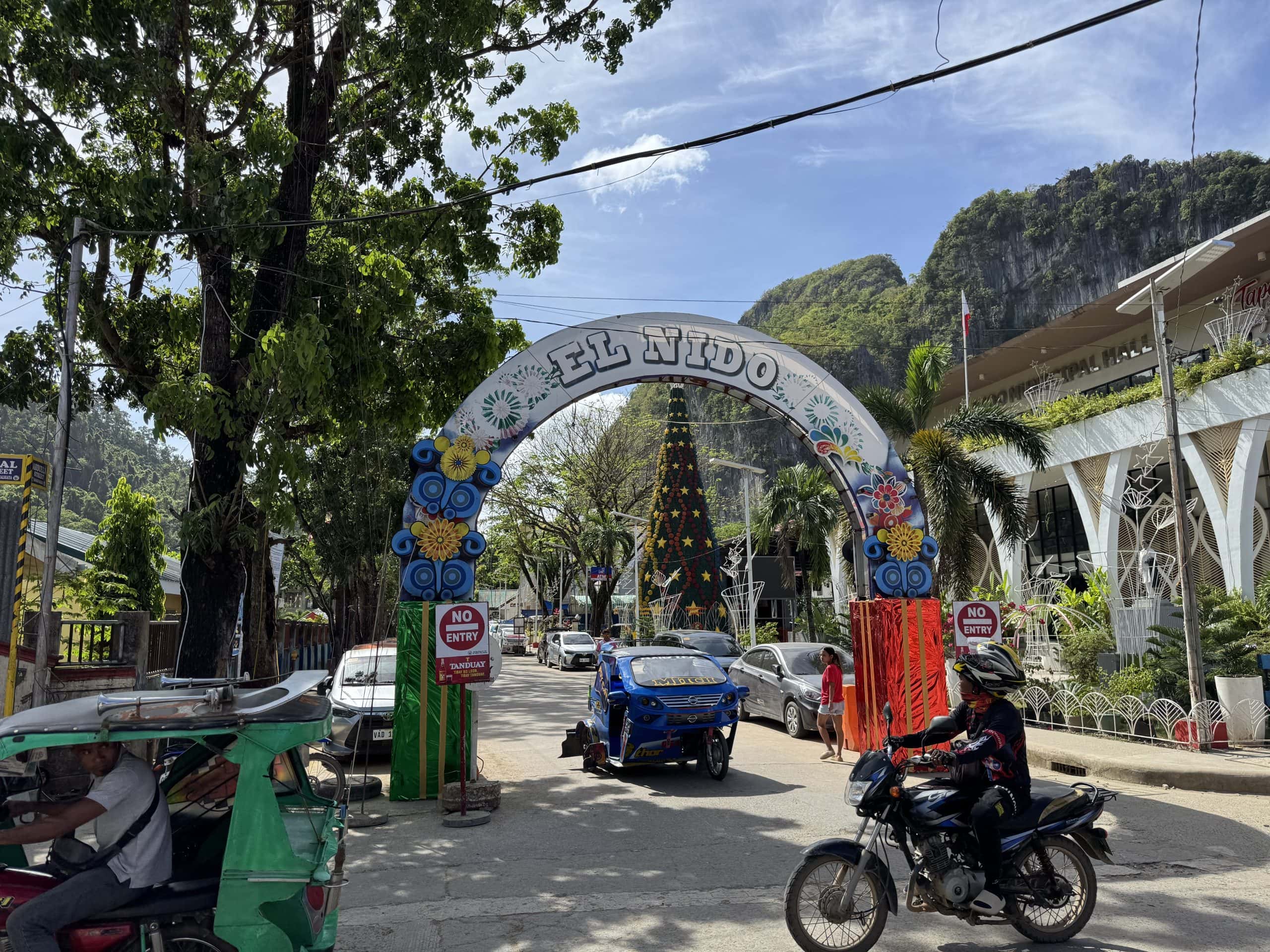
Some countries require proof of onward travel. Others limit how long you can stay before you must leave or apply for an extension. In the Philippines, for example, visa extension offices are not always easy to get to. On one trip, the only office was in Puerto Princesa, which did not fit our route through El Nido and Coron and ended up complicating the entire itinerary.
Research Vaccination and Health Requirements
Some destinations require specific vaccinations to enter, and others come with health risks like malaria or dengue that are worth preparing for. Even when nothing is mandatory, it is smart to understand the basic health considerations of where you are going before you leave.
Buy Travel Insurance Before You Go
You never think you will need travel insurance until you do. I never travel without it anymore. I personally use SafetyWing for general travel and DAN for scuba diving, but the important part is making sure you are properly covered for medical emergencies, cancellations, and unexpected problems.
Research Flight Prices
Flight prices can vary a lot depending on routes, dates, and even the day you search. I always check prices using tools like Google Flights and Skyscanner to get a sense of what is normal and what is overpriced before booking anything.
Tech and Digital Preparation
Back Up Your Phone
Before every trip, make sure your phone is fully backed up. If your phone gets lost, stolen, or damaged, you do not just lose the device. You lose photos, contacts, notes, and access to a lot of important information. I once ruined my phone in Honduras by going swimming with it in my pocket.

Clean Up Your Cell, Laptop Storage
Running out of storage while travelling is incredibly annoying, especially when you want to take photos and videos. Before you leave, delete old photos, videos, and apps you do not need so you start the trip with plenty of free space. I also like to use long flights as a chance to clean things up further when there is not much else to do.
Download Offline Maps
Before you go, download offline maps of your destination. This lets you navigate even without cell service or WiFi, which is especially useful when you first arrive or when you are in more remote areas.
Bring a Universal Power Adapter
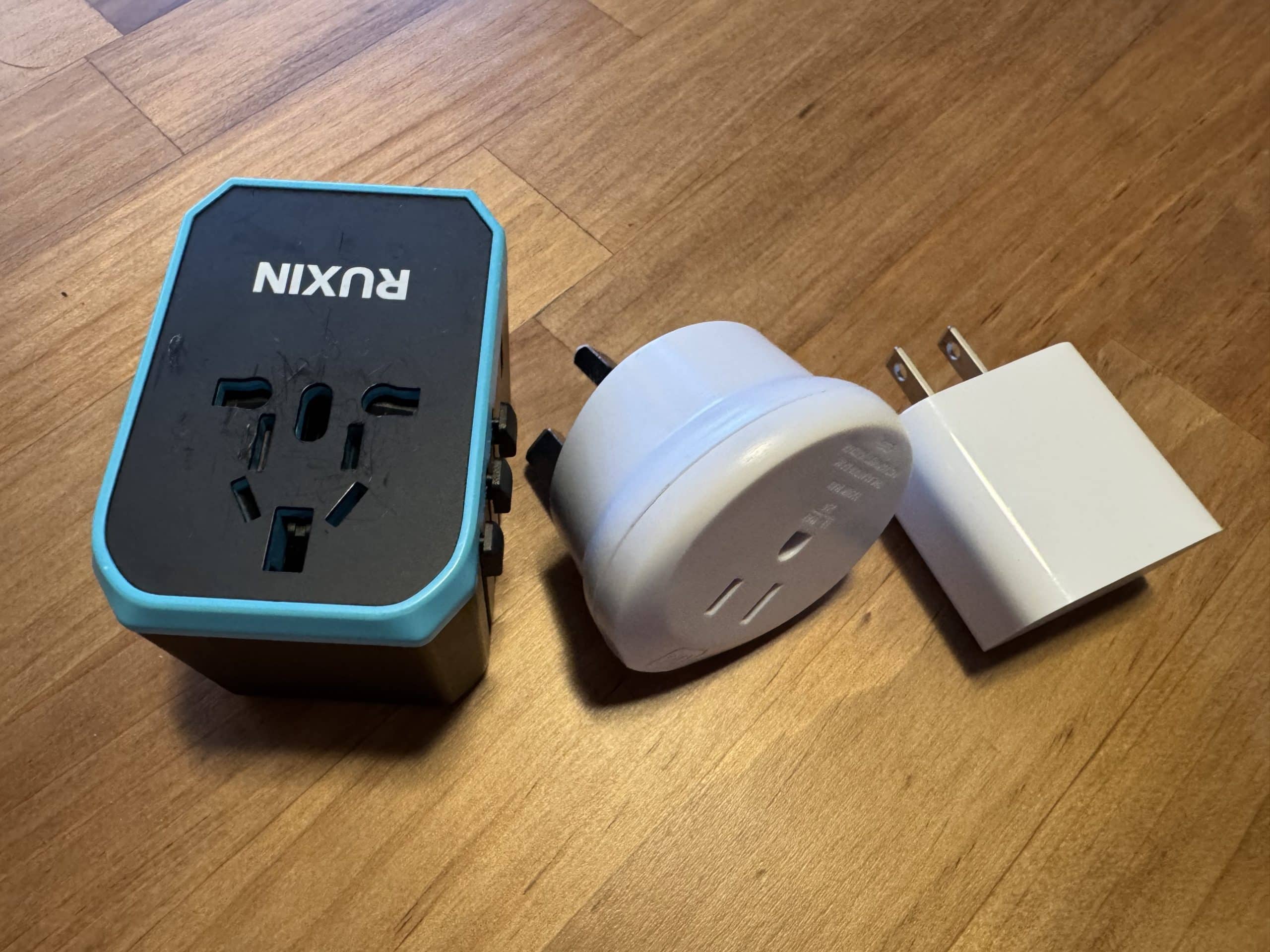
Different countries use different plugs, and hotel rooms often have fewer outlets than you would like. A universal adapter with multiple USB ports lets you charge everything at once without fighting for outlets.
Bring a Power Bank
Keeping your phone charged is essential when you are travelling. You often need it for things like maps, transportation, boarding passes, flight information, and I’ve even had to google my hotel information to show customs officials. In some countries, like the Philippines, you need to show things like eVisas directly on your phone. Sometimes this information is only available online, which makes a dead phone more than just an inconvenience.
A power bank gives you peace of mind on long travel days, during delays, or when you are out all day.
Bring All Your Cables and Chargers
It sounds obvious, but it is very easy to forget one important cable. Before you leave, do a quick check to make sure you have chargers for your phone, tablet, laptop, watch, headphones, and power bank.
Consider a Tablet Instead of a Laptop
For many trips, a tablet is more practical than bringing a full laptop. Something like an Amazon Fire Tablet is much cheaper, lighter, and easier to travel with than a MacBook. I also feel a lot more comfortable travelling with a cheaper device when I mostly use it for watching movies, booking hotels, and light browsing.
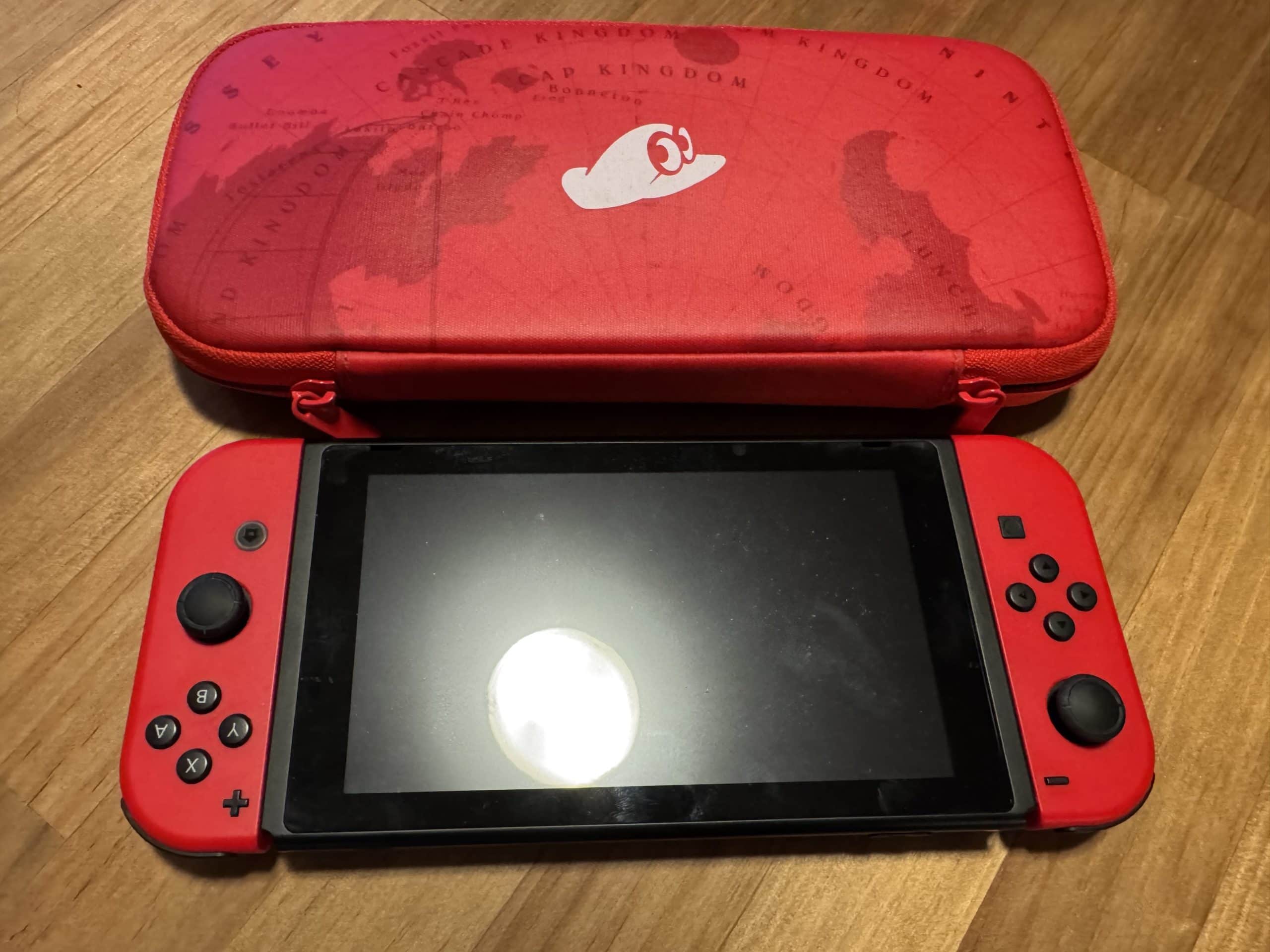
Bring a Nintendo Switch for Entertainment
A Nintendo Switch is great for travel days. It is easy to use on flights, during long airport waits, on bus rides, and even when you are just relaxing in your hotel. It is a simple way to kill time and make long travel days feel much shorter.
Bring Both Wired and Wireless Headphones
I travel with two sets of headphones. I bring a good quality wired pair with a standard audio jack for planes because some airlines do not provide headphones or charge for them, and the sound quality is better anyway. They fold up and take up almost no room in my bag.
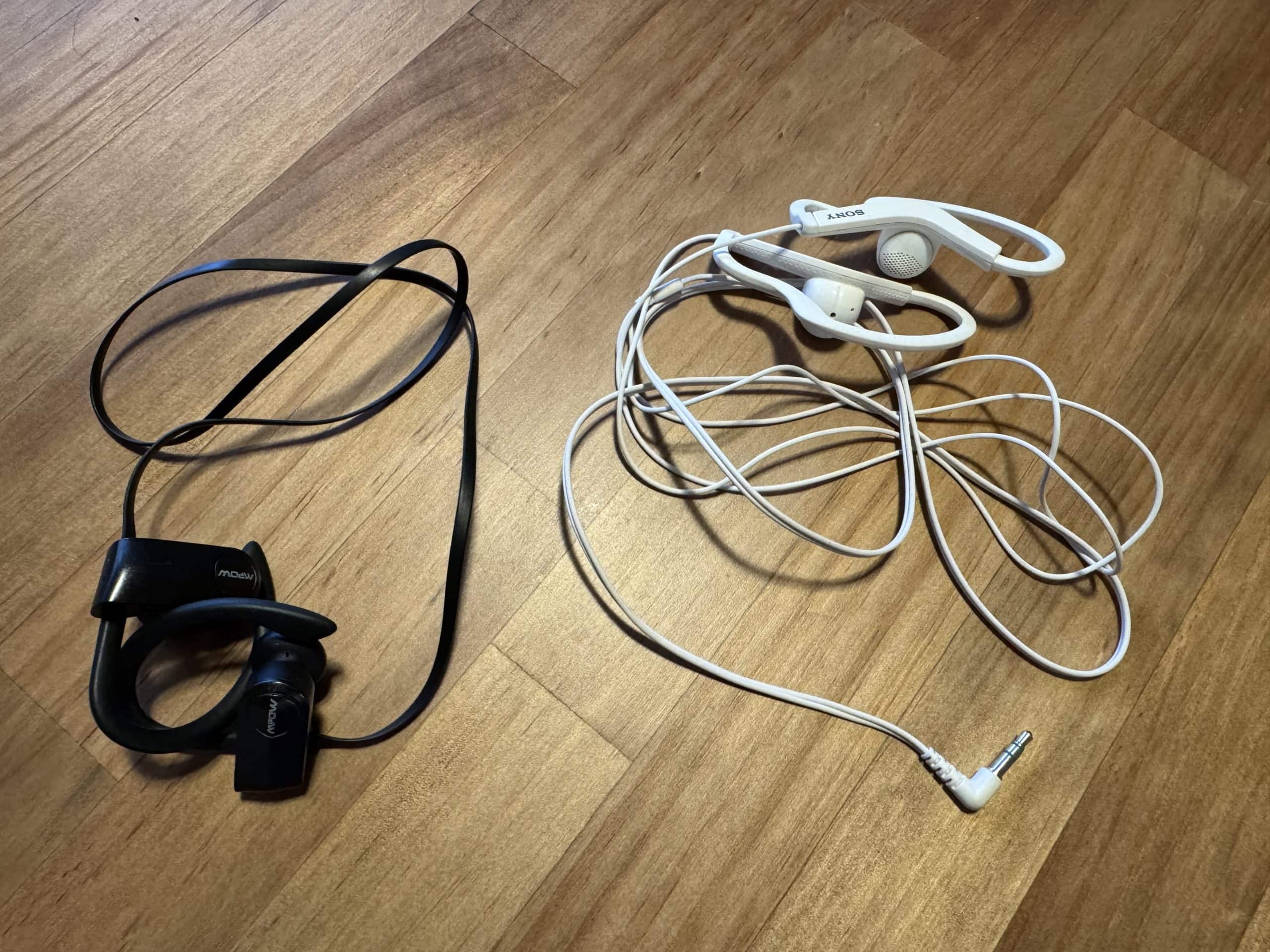
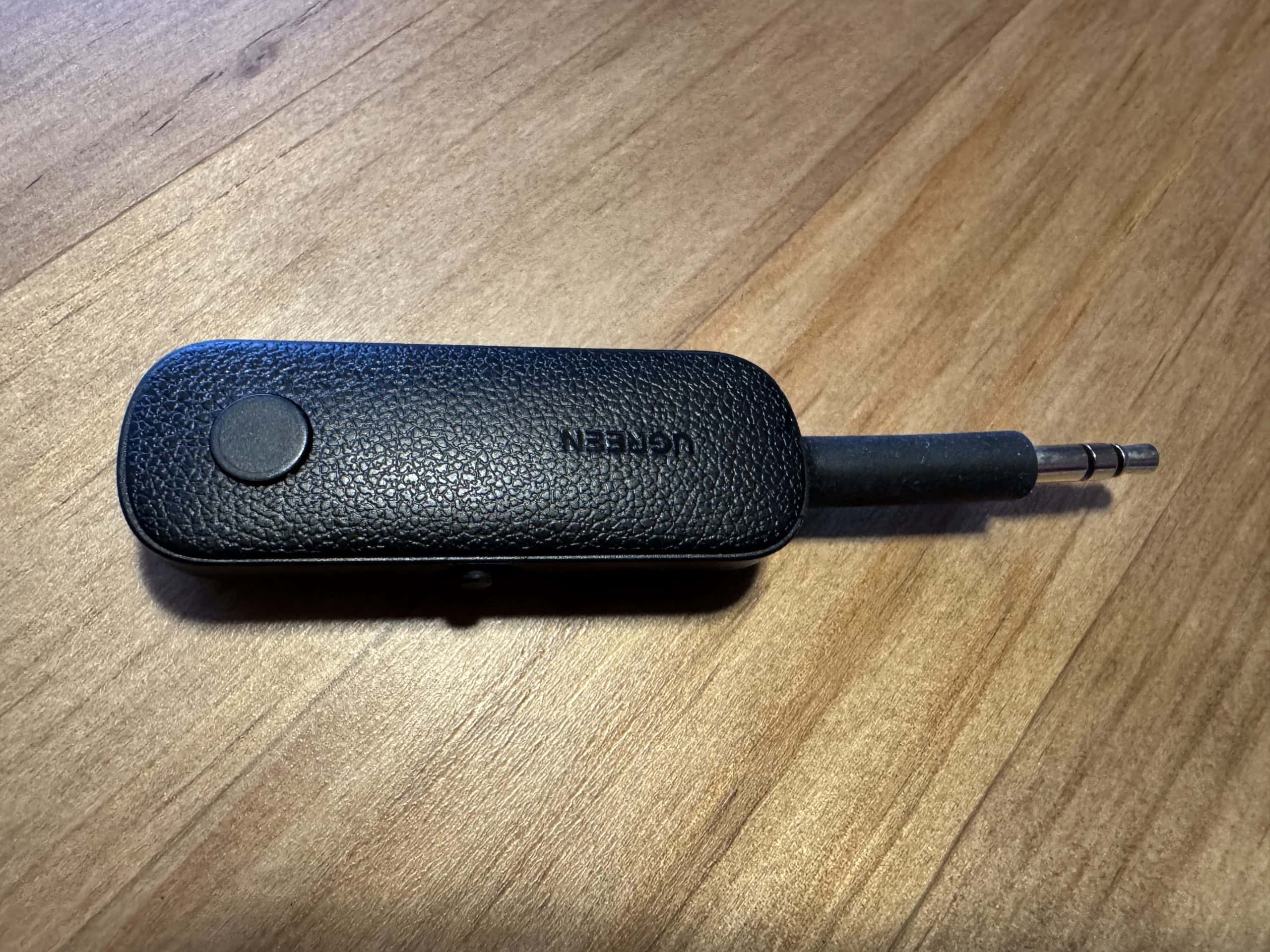
I also bring wireless headphones for noise cancelling and for listening to music, watching movies, or playing games on my tablet, laptop, or Nintendo Switch. If you want to use wireless headphones with the plane’s entertainment system, a small Bluetooth airplane adapter lets you plug into the seat and use your own headphones.
Download Local Transport Apps Before You Leave
Before you arrive, download apps like Uber, Grab, or whatever is commonly used in your destination. Set them up while you still have reliable internet so you are not trying to figure it out for the first time in an airport after a long flight.
Booking Hotels & Flights
Book Early for Busy Travel Seasons
If you are travelling during peak periods like Christmas, major holidays, or high season in popular destinations, it is almost always better to book flights and hotels well in advance. Waiting too long usually means higher prices, worse flight times, and fewer good accommodation options.
Check Whether Your Flight Has Entertainment Screens
Not all planes have seatback entertainment, especially on cheaper or regional routes. Before booking, I always check the aircraft type on Google Flights to see whether the plane has built in screens. A long haul flight staring at the seat in front of you with no entertainment is just not fun.
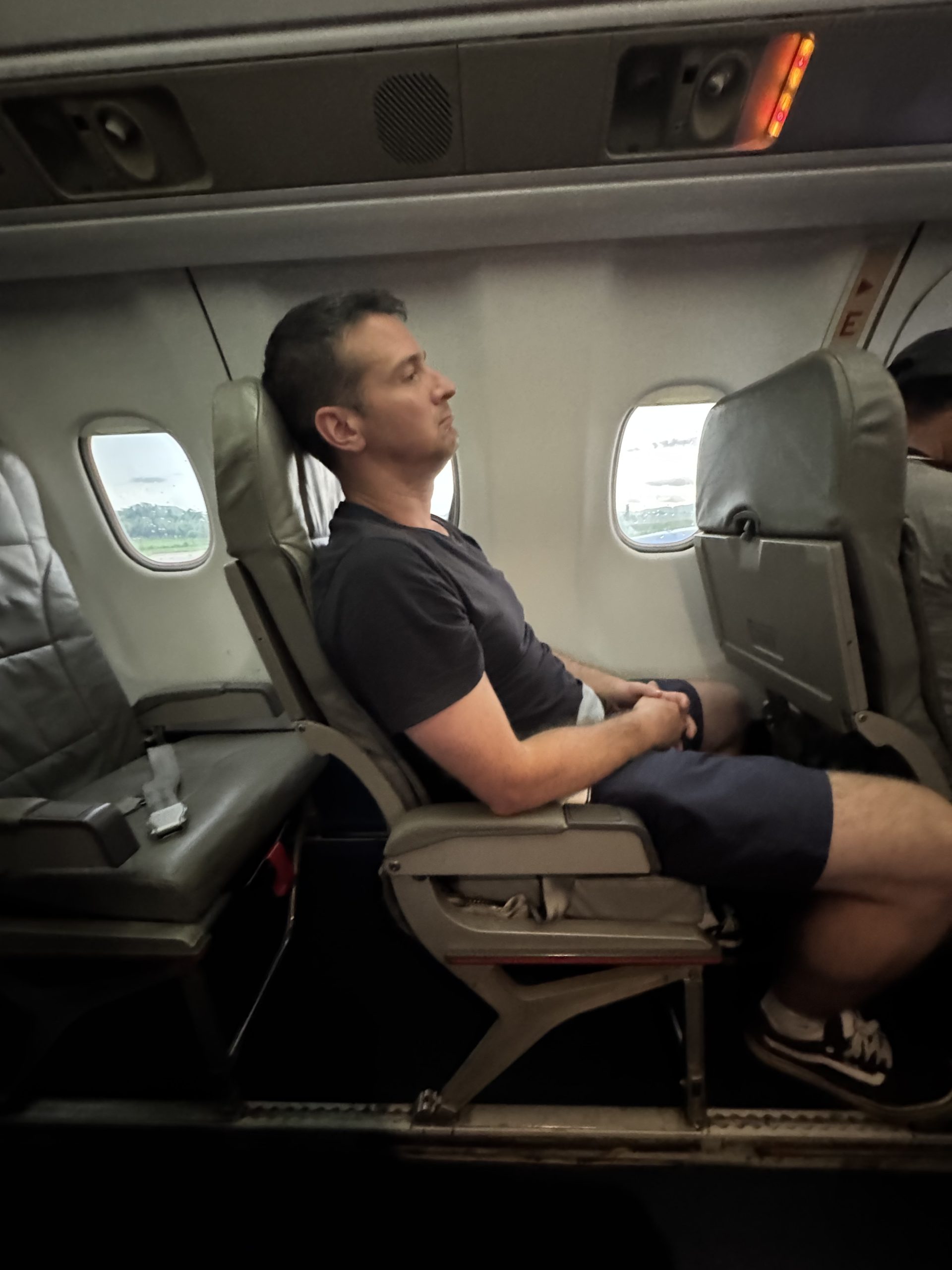
Avoid Seats Near the Bathrooms
If you can choose your seat, try not to sit near the bathrooms. These areas tend to have people standing around, lining up, bumping into you, and moving around for most of the flight, which means more noise, more traffic, and less chance of getting any real rest. On a long flight, that constant disturbance can make an already tiring journey feel much longer.
Give Yourself Enough Time for Connections
Tight connections look good on paper but fail in real life. My personal rule is to allow at least two hours for international connections. You can easily lose time to flight delays, security, customs, terminal changes, or long walks. Some airports, like Manila, even require bus transfers between terminals. The only exception I usually make is when flying within Canada or the United States, since customs is often handled before departure.
You Don’t Have To Book Every Hotel in Advance
You do not need to lock in your entire trip before you even arrive. I usually book the first few nights and leave the rest flexible. This gives you room to adjust your plans, stay longer in places you like, and leave places you do not. It also takes the pressure off if something changes once you are on the ground. The exception to this would be around very busy holiday periods like Christmas when many hotels are at full capacity.
Documents, Money, and Travel Admin
Encrypt Your Important Documents
I keep digital copies of my passport, important IDs, and basic banking information, but I do not leave them sitting in my photo gallery. Instead, I put them into a single PDF file and protect it with a strong password. This way, even if someone somehow gains access to the file, they still cannot open it.
Once the PDF is encrypted, I upload it to a secure cloud folder like Google Drive. This gives me access to everything I need if my wallet or phone is lost, while still keeping the information properly protected.
Give Hard Copies To Someone You Trust
I also give hard copies of my important documents to a family member. If you lose your phone or cannot access your accounts, having a backup outside your own devices can be a lifesaver.
Bring Printed Copies of Flights and Hotel Bookings
I am a bit old fashioned with this, but I always travel with printed copies of my flights and hotel information in my carry on. Phones die, apps fail, and internet does not always work when you need it most. Paper still works in all situations.
Tell Your Bank You Are Travelling
Banks can freeze cards when they see foreign transactions. Before I leave, I always let my bank know where I am going and for how long. It does not guarantee they will not block your card, but it greatly reduces the chances of being stuck without access to your money.
Bring Multiple Cards and Keep Them Separate
Never travel with only one card. I always bring at least two or three and keep them in different places. If one gets lost, stolen, or blocked, you still have a backup.
Split Your Cash Between Your Wallet and Your Bag
Do not keep all your cash in one place. I usually keep some in my wallet and some hidden in my bag in a harder to reach spot. That way, if you get pickpocketed or lose your wallet, you are not completely stuck.
Know Whether Your Destination Is Cash or Card Based
Before you go, find out whether your destination mainly runs on cash or cards. In Canada, I almost never use cash, but in places like the Philippines, cash is used for almost everything. Knowing this ahead of time helps you avoid constantly hunting for ATMs or getting stuck somewhere that does not accept cards.
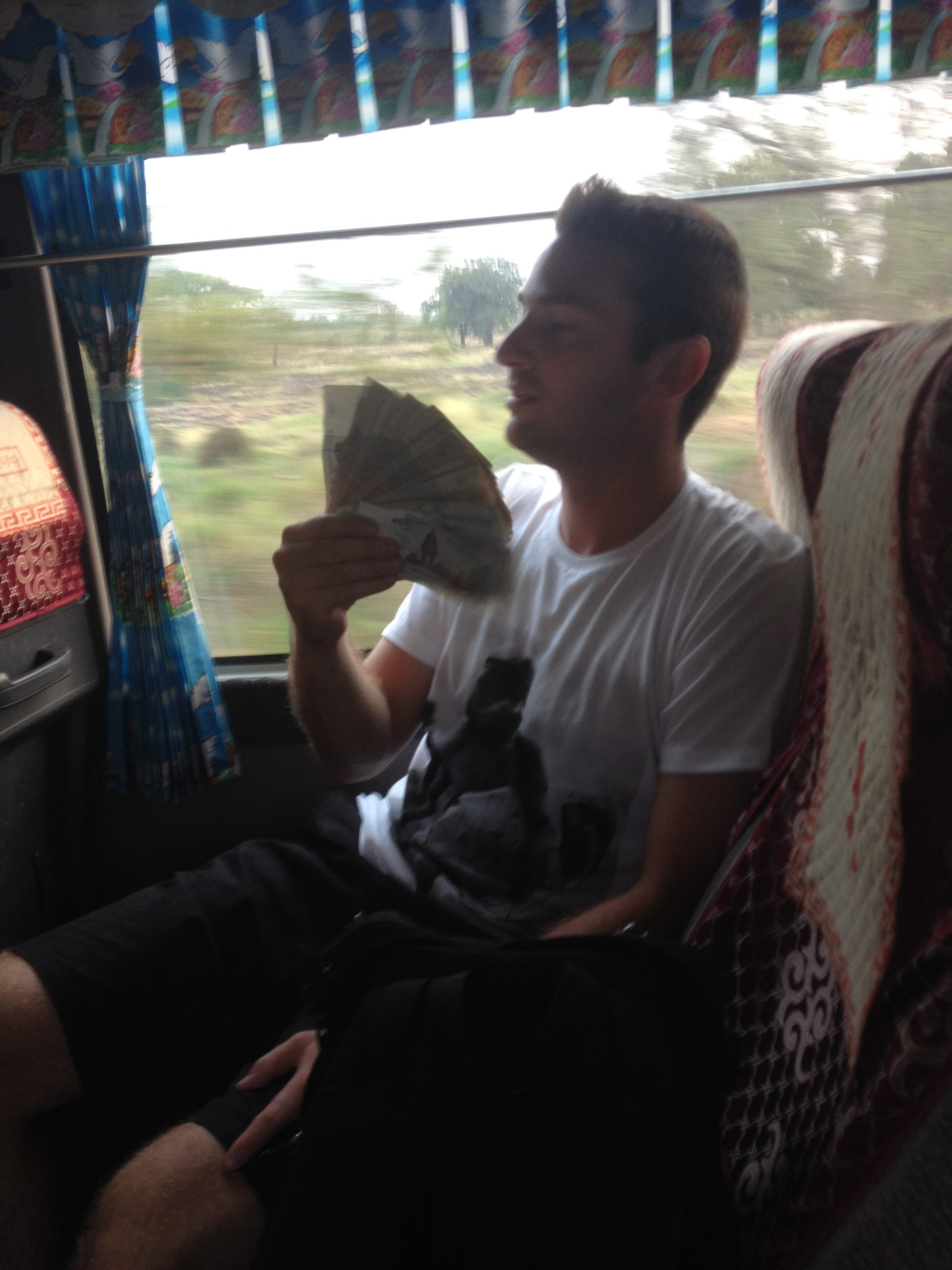
Carry Both Small and Large Bills
Small bills are useful for taxis, tips, and small purchases, while larger bills are better for hotels and bigger expenses. Having a mix saves you from constantly struggling with change or being told that someone cannot break a large bill.
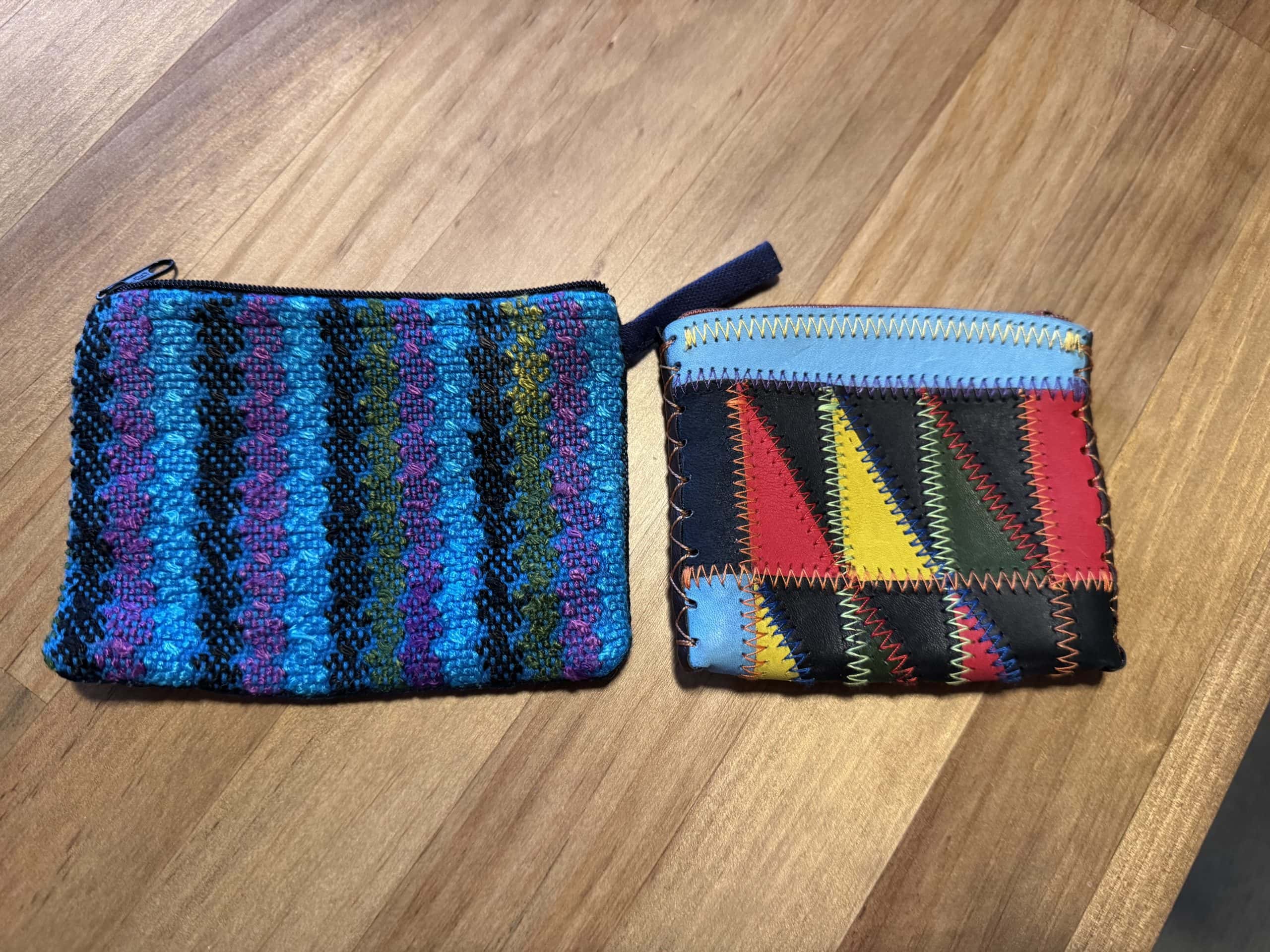
Bring a Coin Pouch
In many countries you end up accumulating a lot of coins very quickly. A small coin pouch keeps your pockets from turning into a mess and makes paying for small things much easier.
Using your small coins for bottles of water is a good way to keep the amount of coins you have in check.
Keep Some Local Currency for Departure Day
I always keep a bit of local cash until I am fully out of the country. In the past, I have been hit with unexpected airport fees and small last minute expenses and had already spent or exchanged everything. Having a little left over avoids unnecessary stress.
Get Your Hotel’s Business Card and Save the Address
When you check in, grab a business card from the hotel and keep it in your wallet. I also screenshot the hotel name and address on my phone, along with a screenshot of the map showing the surrounding area, major roads, and nearby landmarks. If you get lost, or your phone battery is dying, this makes getting back much easier.
I learned this the hard way after getting completely lost in Kyoto without the address handy and roamed around for hours trying to find my hotel.
Health and Medical Tips
Pack a Small Personal Medical Kit
I always travel with a small travel medical kit that includes band aids and blister patches. Blisters in particular can completely derail a trip, especially if you are walking a lot or wearing wet shoes. They are a small problem that quickly becomes a big one if you ignore them. Don’t bring the whole pharmacy, just a small pack is fine.
Bring Anti Diarrhea Medication
At some point, almost everyone gets travellers diarrhea. Having some pills with you means you do not have to panic or hunt for a pharmacy when you feel awful and just want to stay in your room.
Consider Dukoral and Other Travel Vaccines
Depending on where you are going, some vaccines can make a lot of sense. I personally like getting the Dukoral vaccine for areas where food and water hygiene can be questionable.
Pack Allergy Pills
Even if you do not normally have bad allergies at home, different climates, pollution, dust, or plants can trigger reactions when you travel. In my younger years, when I was in the army and posted to Bosnia, my pollen allergies were so bad I was almost sent home. Since then, I never travel without allergy medication.
Bring Motion Sickness Medication
When travelling, it is very common to end up on planes, buses, vans, and ferries. If you are prone to motion sickness, bring the medication with you rather than assuming you will not need it. It is much better to have it and not use it than to need it and not have it.
Be Careful With Tap Water
In most countries, you should not drink the tap water or brush your teeth with it. Stick to bottled or properly treated water.
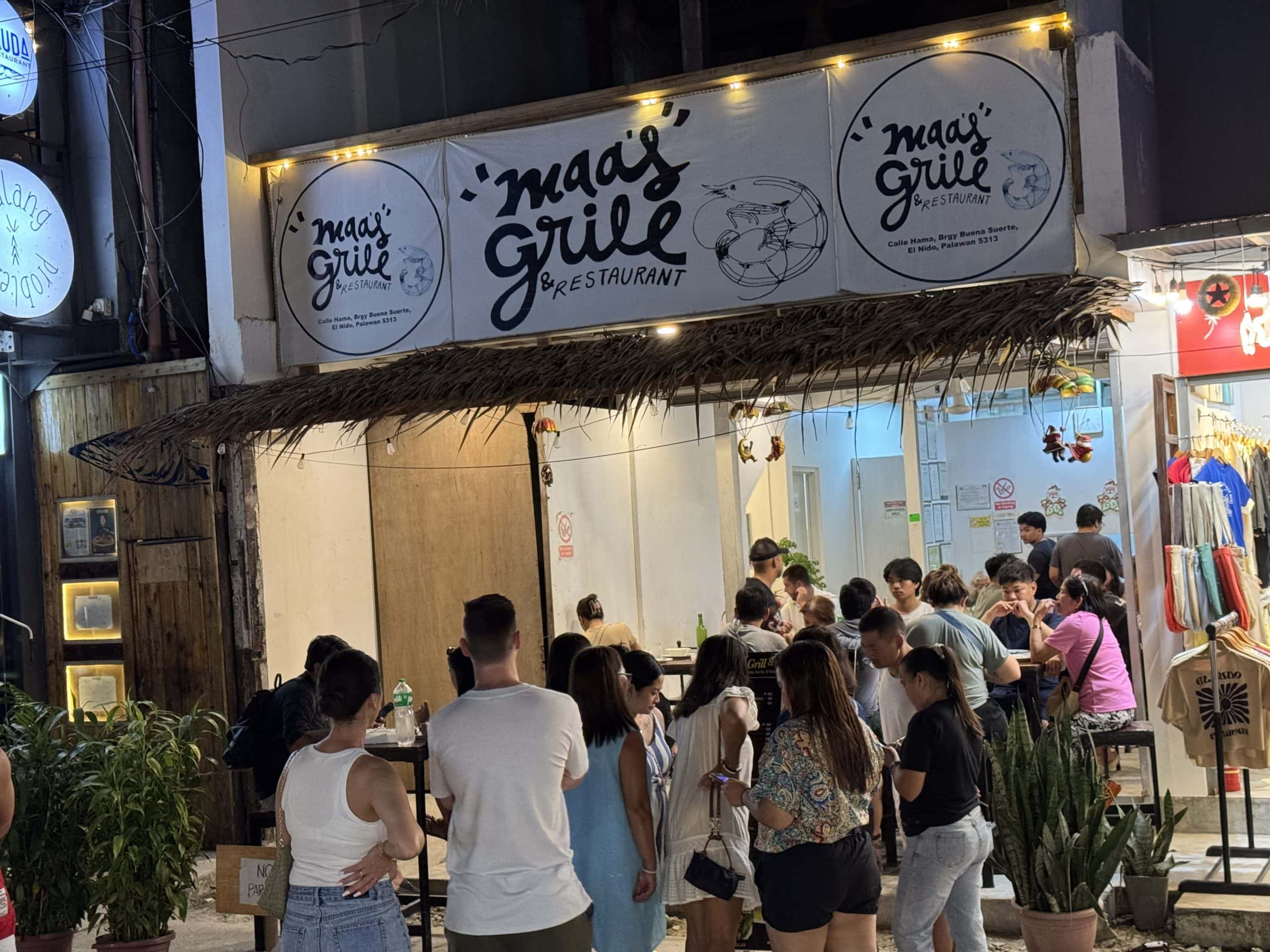
Eat at Busy Restaurants in the Tropics
A good rule of thumb in the tropics is to eat where it is busy. High turnover usually means the food is fresher and not sitting around in the heat. Empty restaurants in the tropics are often a bad sign.
Avoid Alcohol Before Long Travel Days
On the night before a big travel day, it is usually best not to drink alcohol. Travelling while hungover is miserable, and dehydration, long lines, and delays only make it worse. Being rested and clear headed makes long days much easier to deal with.
Travel Packing Tips
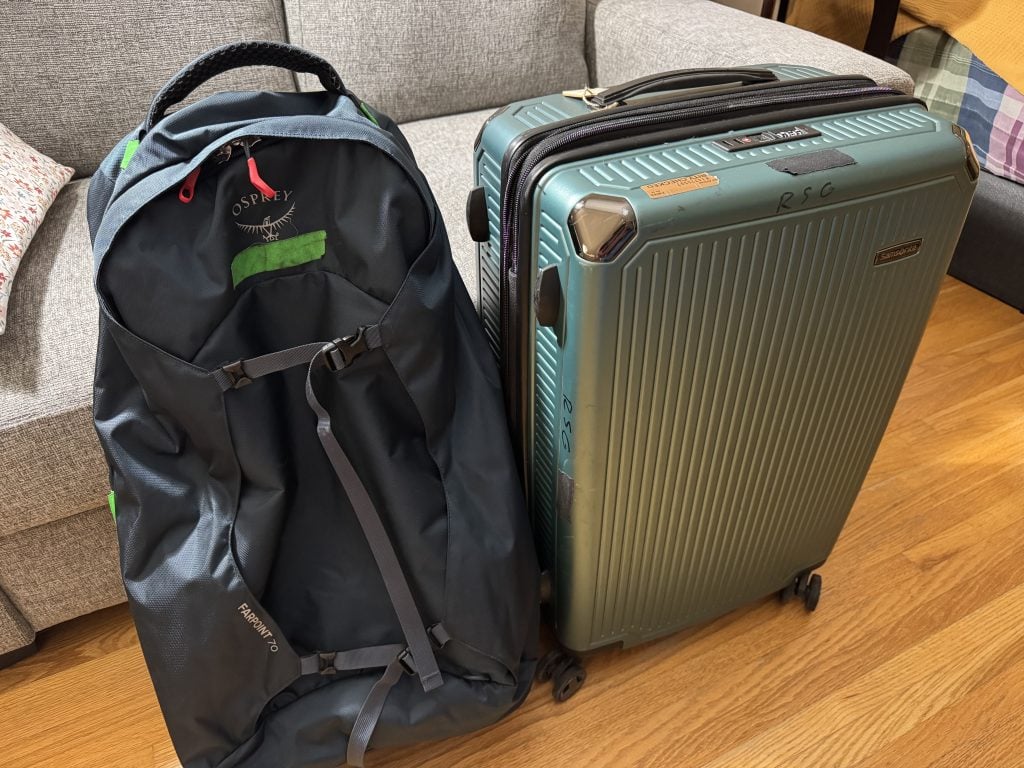
Decide Between a Suitcase or a Backpack
Some trips are better with a suitcase and some are better with a backpack. If you are going to one place and staying there, a suitcase is usually easier. If you are moving around a lot, using ferries, buses, tuk tuks, and walking between hotels, a backpack is more practical.
Pack Fewer Clothes Than You Think You Need
Almost everywhere in the world you can get laundry done cheaply and easily. Packing less makes your bag lighter, easier to manage, and gives you room to bring things back home.
Leave Room for Souvenirs
It is easy to forget this and then end up with a bag that is already full before you even start your trip. Leaving some space saves you from having to buy an extra bag later.
Weigh Your Luggage Before Going to the Airport
Nothing is more awkward than opening your bag at the check in counter and trying to reshuffle things. I like using a small luggage scale with a hook so I know exactly where I stand before I leave.
Make Sure Your Carry On Meets the Airline’s Size and Weight Rules
Airlines can be very strict about what you are allowed to bring on board, and the rules are not always the same between carriers. Make sure your carry on bag actually fits their size and weight limits before you leave home. It is much better to deal with this in your living room than at the check in counter with a line of people behind you.
Bring Travel Size Toiletries in Your Carry On
If you are travelling with toiletries in your carry on, it is much better to use travel size containers. They weigh less, take up less space, and help you avoid issues with airline liquid restrictions. I have had full size items like sunscreen and shaving cream taken at security before, and sunscreen is not cheap to replace.
Things like toothpaste, mouthwash, shaving cream, sunscreen, and hair products are all easy to bring in smaller sizes and make your bag lighter and easier to manage.
Do Not Pack Jeans for Tropical Trips
Jeans are heavy, bulky, slow to dry, and uncomfortable in hot and humid climates. They also take up a lot of space in your bag for very little benefit.
Use Lightweight Travel /Cargo Pants Instead of Jeans
Lightweight travel or cargo pants are far more practical than jeans for flights and warm destinations. They are lighter, more comfortable, and take up much less space in your bag. They also keep you warm on cold planes, and many of them have zip off legs so you can turn them into shorts as soon as you arrive in a hot climate.
Compared to jeans, they dry faster, pack smaller, and are simply easier to live with on the road.
Bring a Kindle Instead of Physical Books
Books are heavy and take up a lot of space. A Kindle can hold an entire library and weighs almost nothing.
Bring a Light Sweater For Flights, Buses, and Ferries
Even in tropical destinations, planes, buses, and ferries can be freezing because of air conditioning. I once spent ten hours on a bus in the Philippines where the AC was stuck on the highest setting, and it was raining so hard that water was dripping through the roof onto passengers while I was in a t shirt and shorts. A light sweater doesn’t take up much space and can make long travel days far more comfortable.
Use a Neck Pillow for Long Flights
Sleeping upright is never great, but a neck pillow makes it a lot more tolerable on long haul flights.
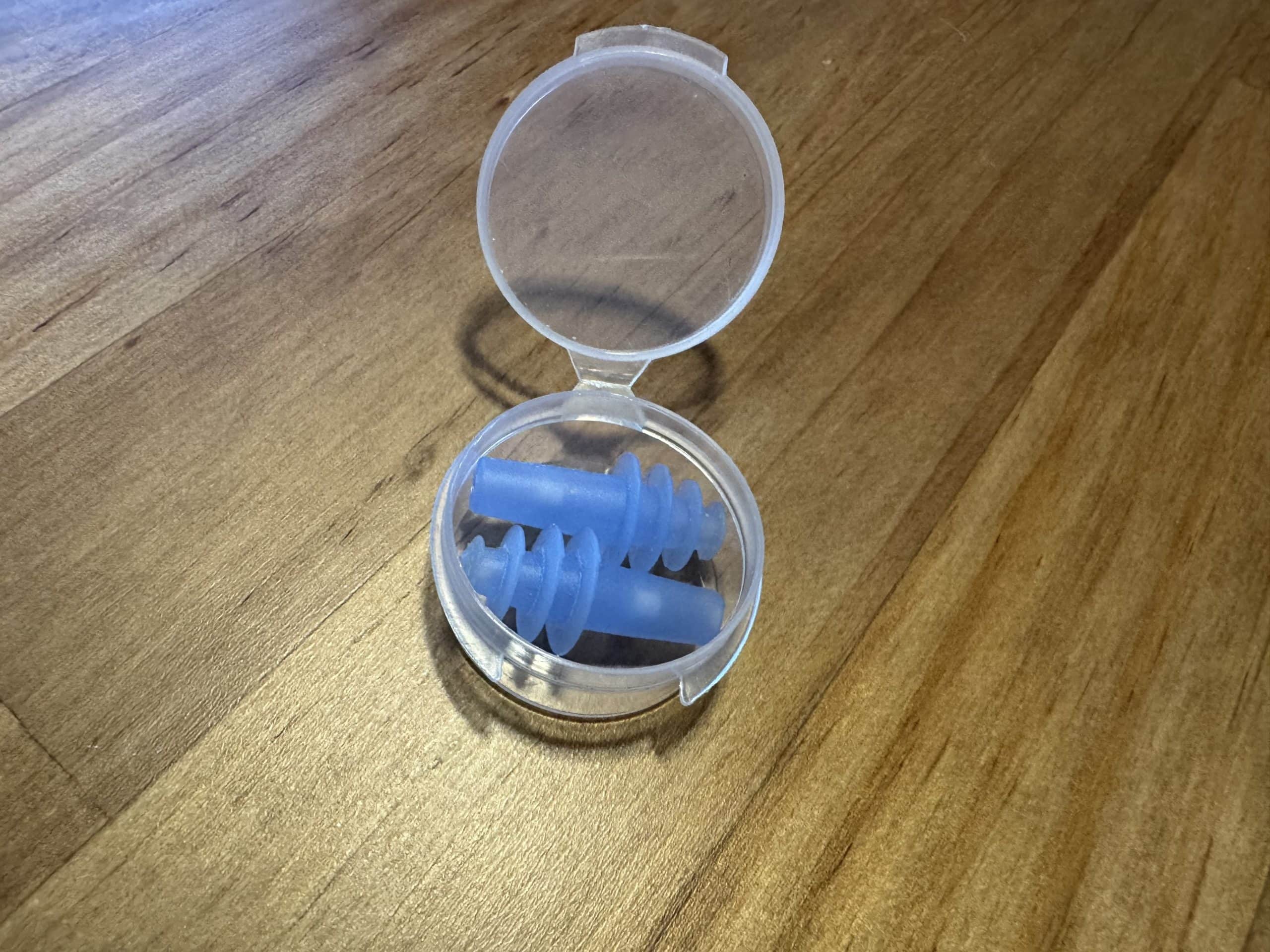
Bring Pressure Regulating Earplugs for Flying
If you have trouble with ear pressure during takeoff and landing, pressure regulating earplugs can make a big difference. They are designed to slow down pressure changes and are especially helpful if you are flying with a cold or congestion, which can be very tough on your ears. They take up almost no space, so I always bring a pair just in case.
Bring Travel Size Toilet Paper or Tissues
In many countries, public bathrooms do not provide toilet paper. Having a small roll or pack of tissues in your day bag can save you from an uncomfortable situation.
Carry a Combination Lock
A small combination lock is useful for hotel lockers, backpacks, and occasionally for securing your luggage. I like the type where I can choose my own code so I won’t forget it.
Use a Protective Laptop Case
If you travel with a laptop, a padded case is worth bringing. It protects your computer from getting crushed in your bag, and it also gives you a solid, flat place to store paper copies of flights, hotel bookings, and other documents so they do not get bent, folded, or destroyed in transit.
Mark Your Laptop So It Is Easy to Identify
When you take your laptop out for airport security, it is easy for people to grab the wrong one by mistake. I like to put a small, obvious marker on mine so it is instantly recognizable. I prefer green tape.
Home Preparation Before You Leave
Clean the House Before You Go
Coming home from a long trip is tiring enough. Walking into a messy house makes it worse. I always try to do a good cleaning before I leave so I come back to a place that feels calm and comfortable instead of chaotic.
Get a Haircut Before You Leave
This is a small thing, but it makes a difference. Getting a haircut before a longer trip means you look and feel better for photos and do not have to think about it while you are away.
Turn Off Your Water
If you are leaving for a longer trip, always turn off the water to your home. I once had a water line burst while I was in the Philippines and it caused a huge mess and a very expensive problem to deal with from the other side of the world. This one step can save you a lot of stress. Especially important if you’re living in a cold climate where water lines can burst in the winter.
Set an Email Auto Responder and Update Your Voicemail
If you run a business or work in sales, it is a good idea to set an out of office email reply and update your voicemail. I work in sales and every time I book a trip, people suddenly seem to need me urgently. This sets expectations properly and lets you actually enjoy your time away.
Airport Travel Tips: What to Do Before You Board
Arrive at the Airport Early
Give yourself more time than you think you need. Traffic, long check in lines, long baggage lines, and security delays all happen. I treat two hours as the absolute minimum, especially for international flights.
Check Baggage Rules Before You Go
Different airlines have different rules for checked bags and carry on sizes and weights. Check what your ticket includes and make sure your bags meet the limits before you leave home. This avoids extra fees and the unpleasant experience of repacking your bag at the check in counter.
Do Not Rely on Airport Currency Exchange
Airport currency exchange counters often have terrible rates and are sometimes closed, especially late at night when many long haul flights leave. If you need some local cash, sort it out in advance or plan to use an ATM at your destination.
Eat Light Before Flying
Flying makes many people feel bloated and uncomfortable because changes in cabin pressure cause gas in your body to expand. Eating heavy meals before flying only makes this worse. Keeping things light makes long flights much more comfortable.
Avoid Carbonated Drinks
Carbonated drinks add even more gas and pressure, which can make you feel uncomfortable during the flight. Water is always the better choice before and during travel.
Avoid Alcohol on Travel Days
Alcohol before or during flights can make dehydration and jet lag worse. It also makes long travel days feel harder than they need to be. Saving drinks for when you arrive usually makes the whole journey more pleasant.
Flying Tips for Long Flights
Choose an Aisle Seat for Long Flights
For long flights, I always choose an aisle seat when I can. It is easier to get up, walk around, stretch, and go to the bathroom without having to bother the people next to you. Window seats can have less leg room because of the curve of the plane, and on overnight or ocean flights there’s not much to see.
Get Up and Move Around
Sitting still for ten or more hours is not good for you. Try to get up, walk around the cabin, and stretch every so often. It helps with stiffness, circulation, and overall comfort.
Be Careful With Snacks and Drinks
Some airports let you bring food and drinks you buy inside the terminal onto the plane, and some do not. The rules and enforcement can vary a lot, so do not assume you will always be able to bring everything you buy through to your seat.
Keep Your Phone Charged
Your phone is your boarding pass, entertainment system, and sometimes even your map when you land. Bring a charging cable and a power bank so you are not stuck with a dead phone halfway through the journey.
Bring Your Own Entertainment
Long flights are a lot easier when you are prepared. I usually bring my headphones, download movies or shows to a tablet, and bring my Nintendo Switch or a book. It makes the time pass much faster.
Bring a Few Small Essentials in Your Carry On
Long flights are much easier if you have a few small essentials within reach. I always keep lip balm, wet wipes to freshen up, tissues, a pen for immigration forms, and some basic headache or pain relief medication in my carry on. These take up almost no space but can make a big difference in how you feel during and after a long flight.
Arrival and the First 48 Hours
Consider Arriving in the Evening to Reduce Jet Lag
When crossing many time zones, arriving in the early evening often makes it easier to reset your body clock. By the time you clear immigration, collect your luggage, and get to your hotel, it is usually close to bedtime, which lets you sleep right away and start adjusting to local time.
Arriving very early in the day can do the opposite. I once flew from Calgary to Manila and arrived around 6 am, tried to stay awake, finally gave in and took a nap around noon, then woke up at midnight. My sleep schedule was off for days after that. If you can choose your arrival time, evening arrivals usually make the adjustment much easier.
Know the Rough Cost of a Taxi Before You Arrive
Before you get into a taxi, have a rough idea of what it should cost to get from the airport to your hotel. All over the world, airport taxis are one of the most common places travellers get overcharged, especially right after landing when you are tired and disoriented.
I recently had a taxi operator at the Manila airport try to charge me 1800 pesos for a trip that should have cost around 300. Even a basic idea of the real price gives you leverage and helps you avoid being taken advantage of.
Plan a Light or Full Rest Day
It is completely fine to have a slow first day. Jet lag is real, and even if you sleep, your body is still adjusting. A rest day to decompress, take a walk, and get your bearings often makes the rest of the trip much more enjoyable.
Do Not Overschedule Your First Days
Avoid packing your first couple of days with tours and long travel days. Delays, fatigue, and simple disorientation make this a bad time to be on a tight schedule. Give yourself some buffer and flexibility.
Set Up Your eSIM or Local SIM Properly
An eSIM is a digital SIM card that lets you use mobile data in another country without needing a physical SIM. When it is set up properly, it is incredibly convenient. I usually use Airalo for this.
In my experience, it is best to install and activate it once you are settled in your hotel and connected to WiFi, not while you are rushing through the airport. Take a few minutes to make sure your regular carrier is turned off and that the eSIM is actually working before you rely on it.
I learned this the hard way in the Philippines when I thought my eSIM was working and ended up with a $300 roaming bill. Getting this right at the start saves money and avoids a lot of stress.
If you want to avoid roaming charges, I explain exactly how this works in my guide to using an eSIM abroad.
Street Smarts, Safety, and Day to Day Travel Tips
Ask the Locals Where to Eat
Ask locals where to eat and be cautious with places that are completely empty, especially in hot climates. Busy restaurants usually mean fresher food and better turnover.
Blend In and Don’t Draw Attention
Try not to look like an obvious target. Don’t wear expensive watches or flashy jewelry, and avoid drawing unnecessary attention to yourself. Out of sight is usually out of mind.
Be More Assertive Than You Are at Home
In some places, people will constantly try to stop you to sell you things, tours, or services. Do not feel bad about saying no and walking away.
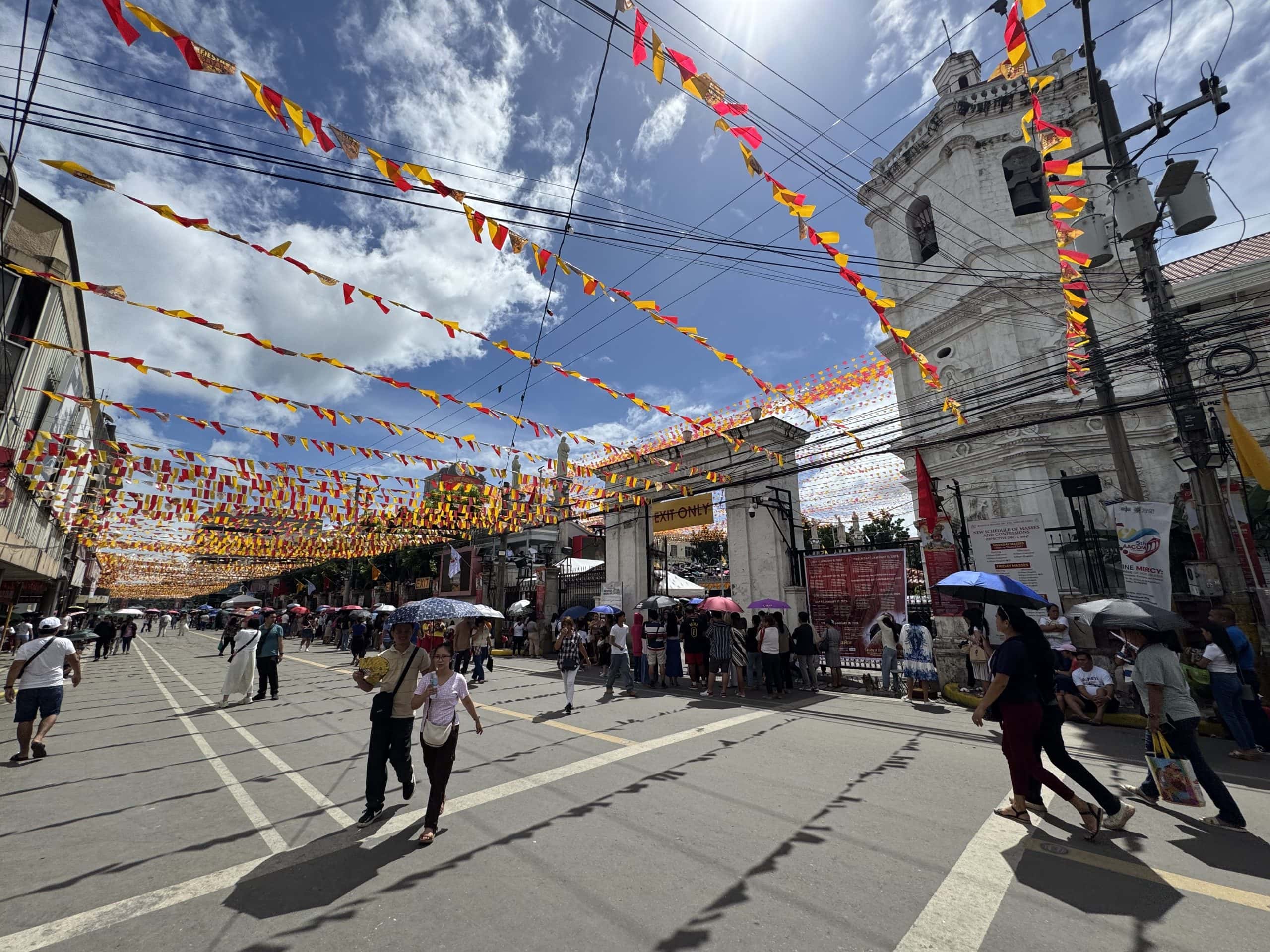
Know the Dress Codes for Your Destination
Different countries and cultures have very different expectations around clothing, especially when it comes to temples, churches, and major cultural sites. In places like Thailand, many temples require long pants and more modest clothing, and you will be turned away if you show up in shorts. Some places will let you rent or borrow clothes, but not all do.
In other destinations, like the Philippines, shorts and sandals are fine almost everywhere, but even there people tend to dress up more for things like Sunday church. If you are planning a trip, you can see all of my Philippines travel guides here.
Learn the Common Scams Before You Arrive
Every country has its classic scams, especially around taxis and major tourist sites. I once booked a cab to a temple in Thailand and ended up being dropped off at a suit shop instead. A few minutes of research before you arrive can save you a lot of frustration and money.
Ask Permission Before Filming People
Not everyone wants to be on camera, and in some cultures it is considered rude or intrusive. Always ask first.
Learn How to Haggle
In many parts of the world, haggling is expected. Prices are often set high on purpose, and the real price comes out through a bit of back and forth. A typical pattern is to walk away, come back with a much lower offer, and meet somewhere in the middle. It is all part of the process in some places.
Keep Your Valuables With You in Transit
When travelling between destinations, I usually have a main suitcase or backpack and a smaller daypack. The main bag often gets stowed away on buses, ferries, or in luggage compartments and is not always within sight. The daypack stays with me and carries the things I cannot afford to lose, like my laptop, passport, money, and other valuables.
Carry Valuables the Smart Way
When I am in travel mode, my wallet always goes in my front pocket, not my back pocket. It is much harder to pickpocket. In very busy areas I will often keep my hand in my pocket over my wallet, but only in areas that are high risk.
Pants or shorts with zipper pockets add another layer of security and make it much harder for someone to get into your pockets without you noticing.
Be Careful Using Your Phone in Public
In some places, phone snatch theft is common. Be aware of your surroundings and avoid standing near roads or crowds with your phone out.
Choose Bags With Better Security
I prefer backpacks with hidden or less obvious compartments and suitcases with combination locks. Nothing is theft proof, but making things harder helps.
Use ATMs and Cards Safely
Use ATMs in well lit, busy areas. Always travel with more than one card and keep them in different places in case one gets lost, stolen, or blocked.
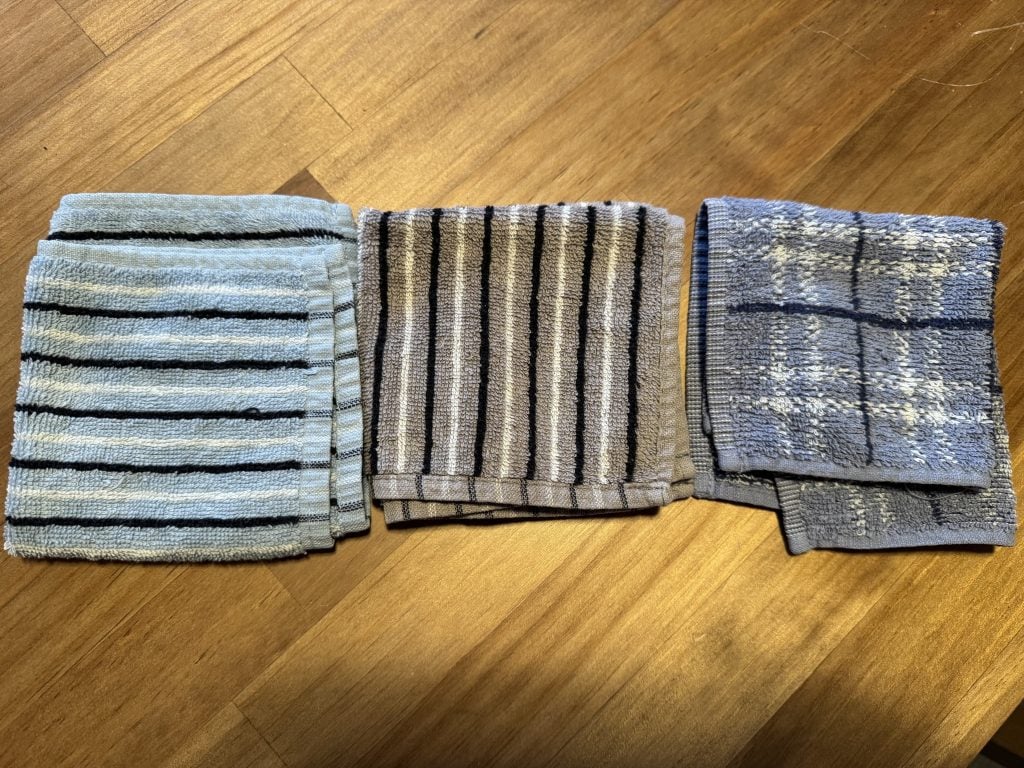
Carry a Small Cotton Handkerchief in Hot and Humid Places
In very hot and humid destinations, I always carry small cotton handkerchiefs with me. They take up almost no space, fit in a back pocket, and are perfect for wiping sweat and drying your face throughout the day. This is something I first noticed in Japan, where locals carry them everywhere in the summer.
I usually bring three with me and swear by them. It is a small thing, but it makes a huge difference in hot climates.
Build in Rest Days
It is completely fine to have days where you do almost nothing. Sometimes the best thing you can do is watch movies, nap, sit by the pool, or just relax. Travel is more enjoyable when you are not exhausted all the time.
Be Flexible Because Things Will Go Wrong
Buses will be late, weather will change, and plans will fall apart. The more flexible you are, the less stressful travel becomes.
Do Not Be Afraid to Team Up With Other Travellers
Linking up with other travellers can make things easier and more fun. You can share costs like taxi rides, feel safer in unfamiliar places, and it is a great way to meet new people along the way.
Use Common Sense, Not Just Government Warnings
It is important to be aware of safety, but it is also important to use your own judgement. Government travel advisories are often extremely conservative and paint entire countries with the same brush. For example, Canada advises exercising a high degree of caution when visiting the Philippines, yet it is one of the friendliest and safest places I have personally travelled.
Be smart, be aware of your surroundings, and avoid obvious bad situations, but do not assume a place is dangerous just because of a broad advisory. Common sense will take you a very long way when you travel.
Do Not Try to See Too Many Places in One Trip
It is very tempting to try to cram as many countries or destinations as possible into one trip. I made this mistake on my first Southeast Asia trip when I wanted to see everything. In the end, I spent more time in transit than actually enjoying where I was.
You are almost always better off seeing more of one country or region properly than rushing through five or ten places and not really experiencing any of them. The trips people enjoy the most are usually the ones where they slow down and stay longer in fewer places.
Do Not Compare Everything to Home
Things will not always work the way they do at home. Buses will be late, plans will change, and some things just will not make sense at first. Getting frustrated does not help, and it just makes you the kind of tourist nobody likes.
Go with the flow, be patient, and remember that you are the visitor. Travel is a lot more enjoyable when you adapt instead of fighting it.
Tips for Beach, Snorkelling, and Scuba Diving Destinations
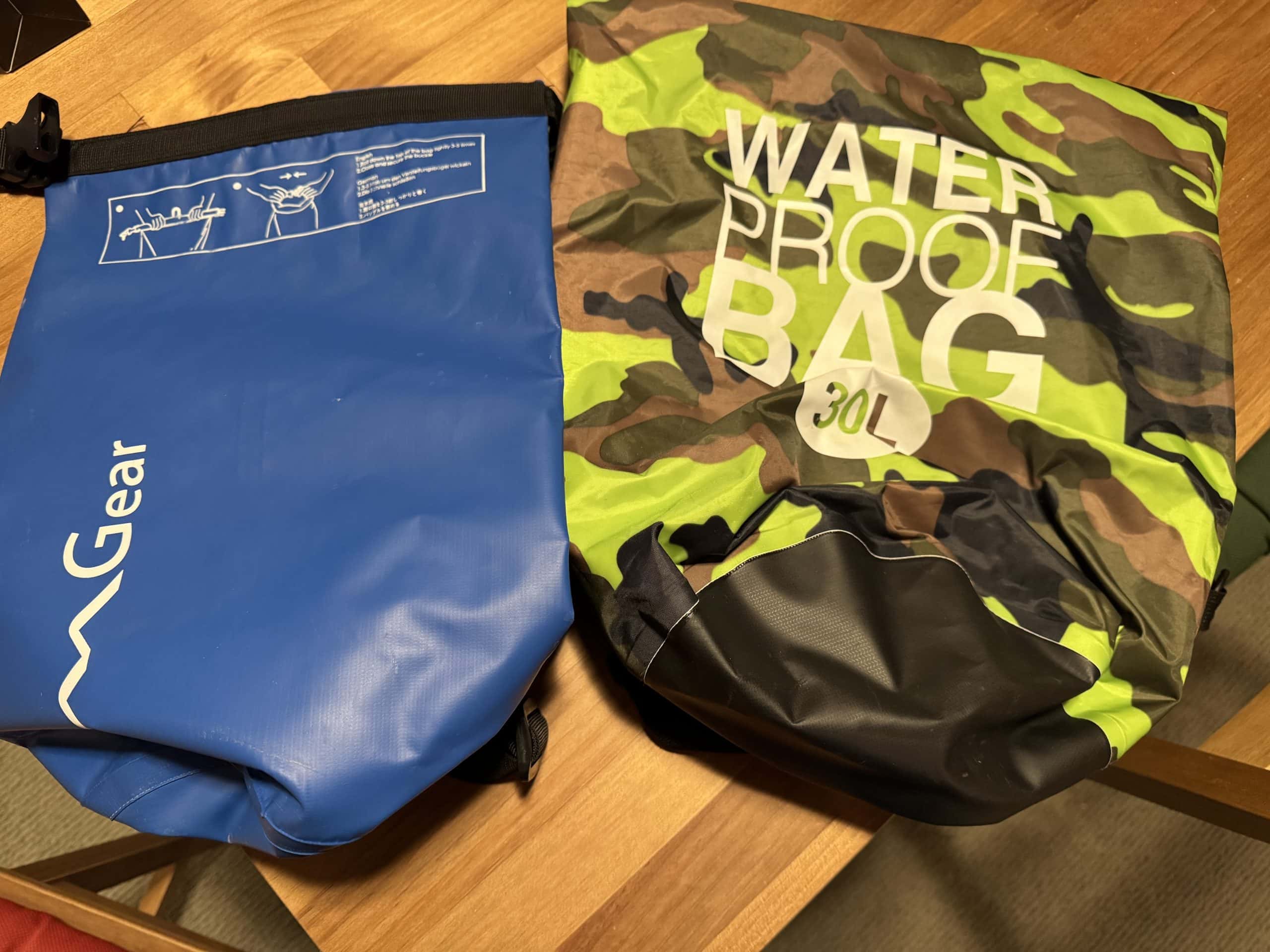
Bring a Dry Bag
A dry bag is invaluable for beach, snorkelling, and boat trips. It keeps your phone, wallet, and other important items together and dry.
Pack a Small Micro Towel
A small micro towel is perfect for beach and dive days. It dries quickly, takes up very little space, and is great for drying off after swimming or keeping warm after a dive. A bonus is that it can be used to protect you from the sun as well.
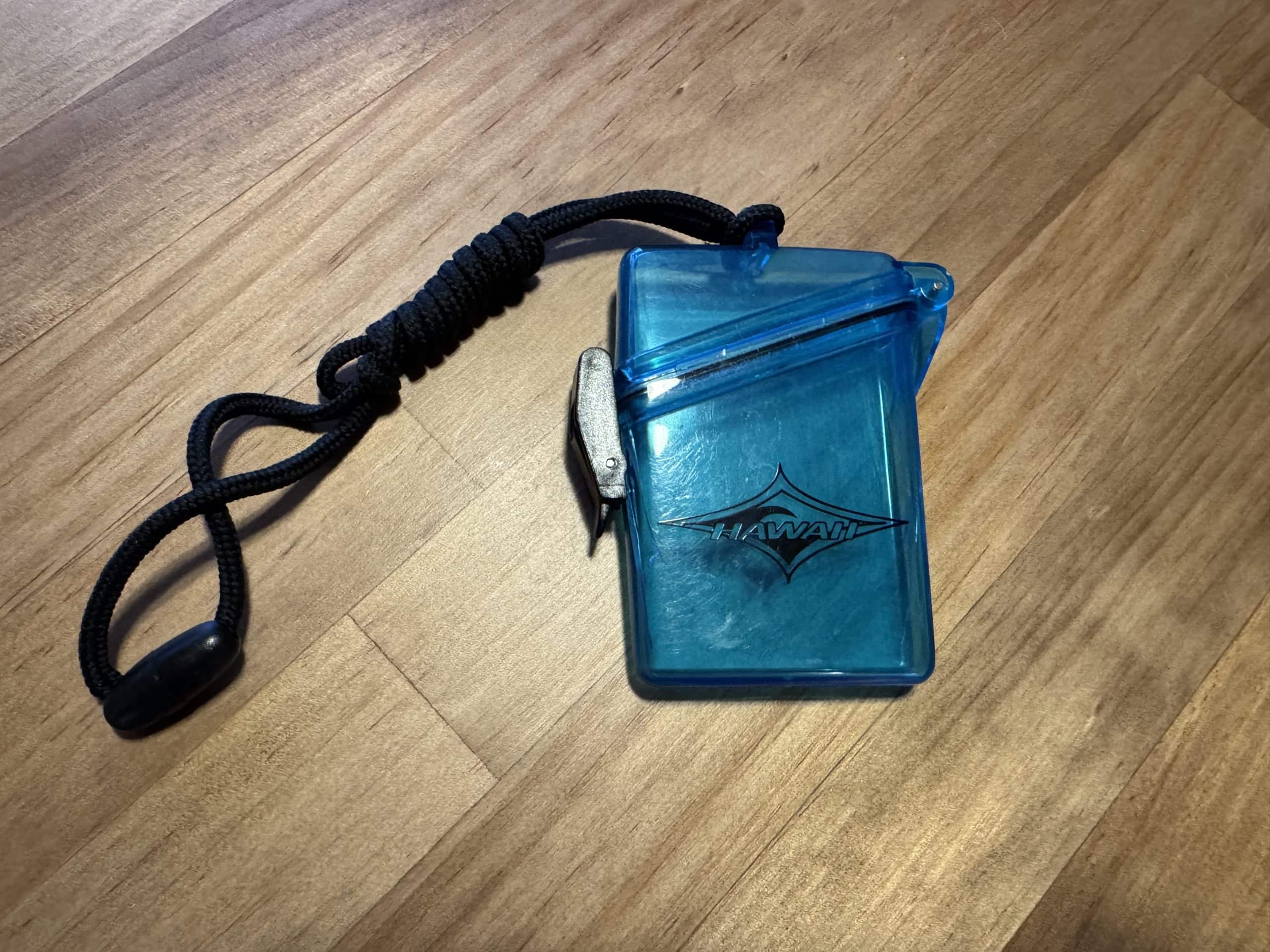
Bring a Waterproof Case
A waterproof case lets you keep your phone, keys, and some cash with you without worrying about water or sand. It is great peace of mind on boats, beaches, and snorkelling trips.
Consider Bringing a GoPro
I highly recommend bringing a GoPro or similar action camera if you want photos or videos in the water. They are easy to use, take great video, and let you capture some unbelievable shots both above and below the water.
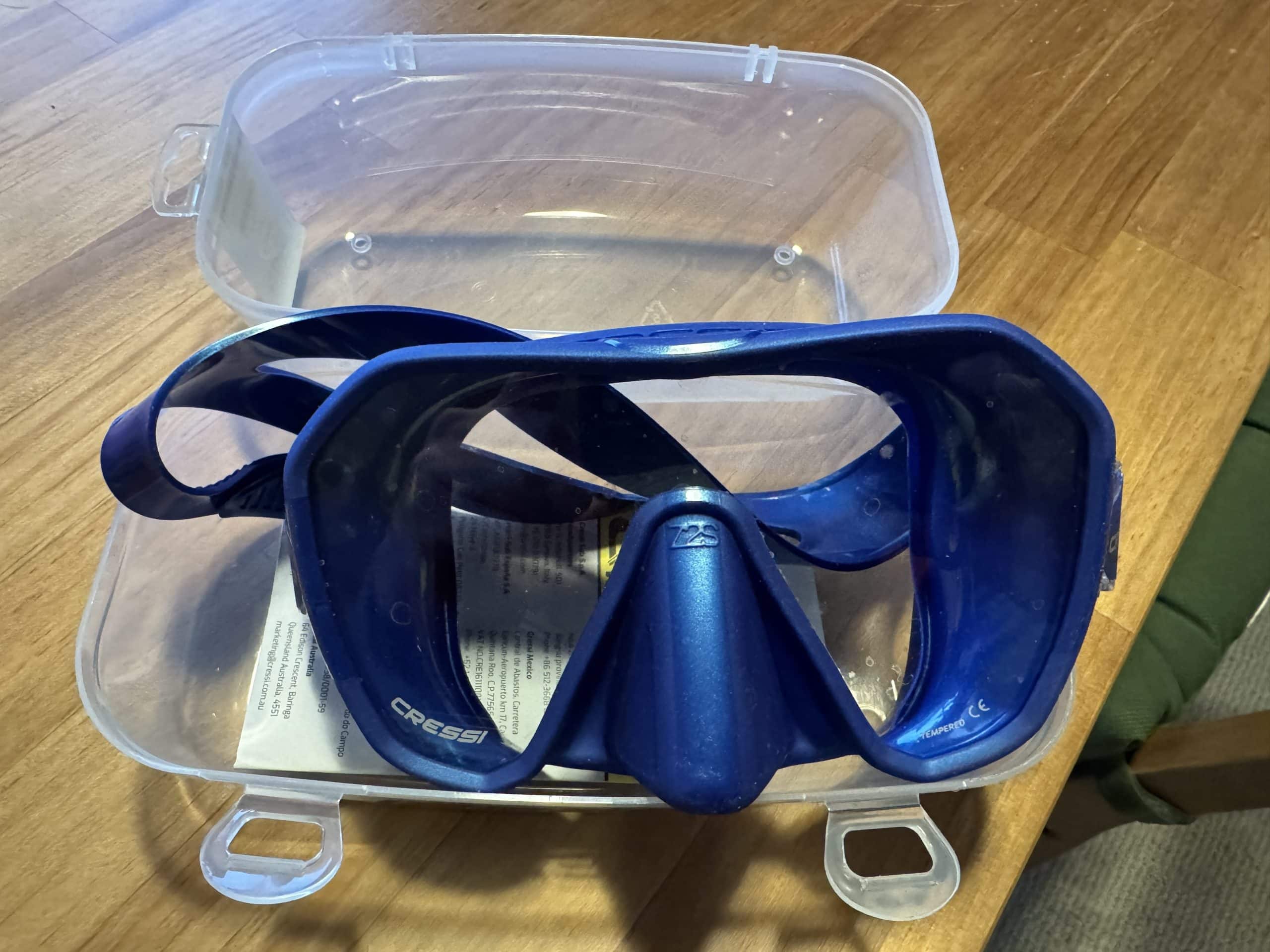
Bring Your Own Snorkel or Diving Mask
This is something I completely swear by. A mask that fits your face properly and that you know does not leak or fog up makes a massive difference in the water. Rental masks are always a gamble. When you bring your own, you know it fits, you know it is comfortable, and you can just enjoy the dive or snorkel instead of constantly fiddling with your gear.
Bring Beach Shoes and Socks
In many destinations you have to walk over rocks, coral, or rough surfaces to get to the water or the boat. Beach shoes protect your feet and are also useful on day trips where you are in and out of the water.
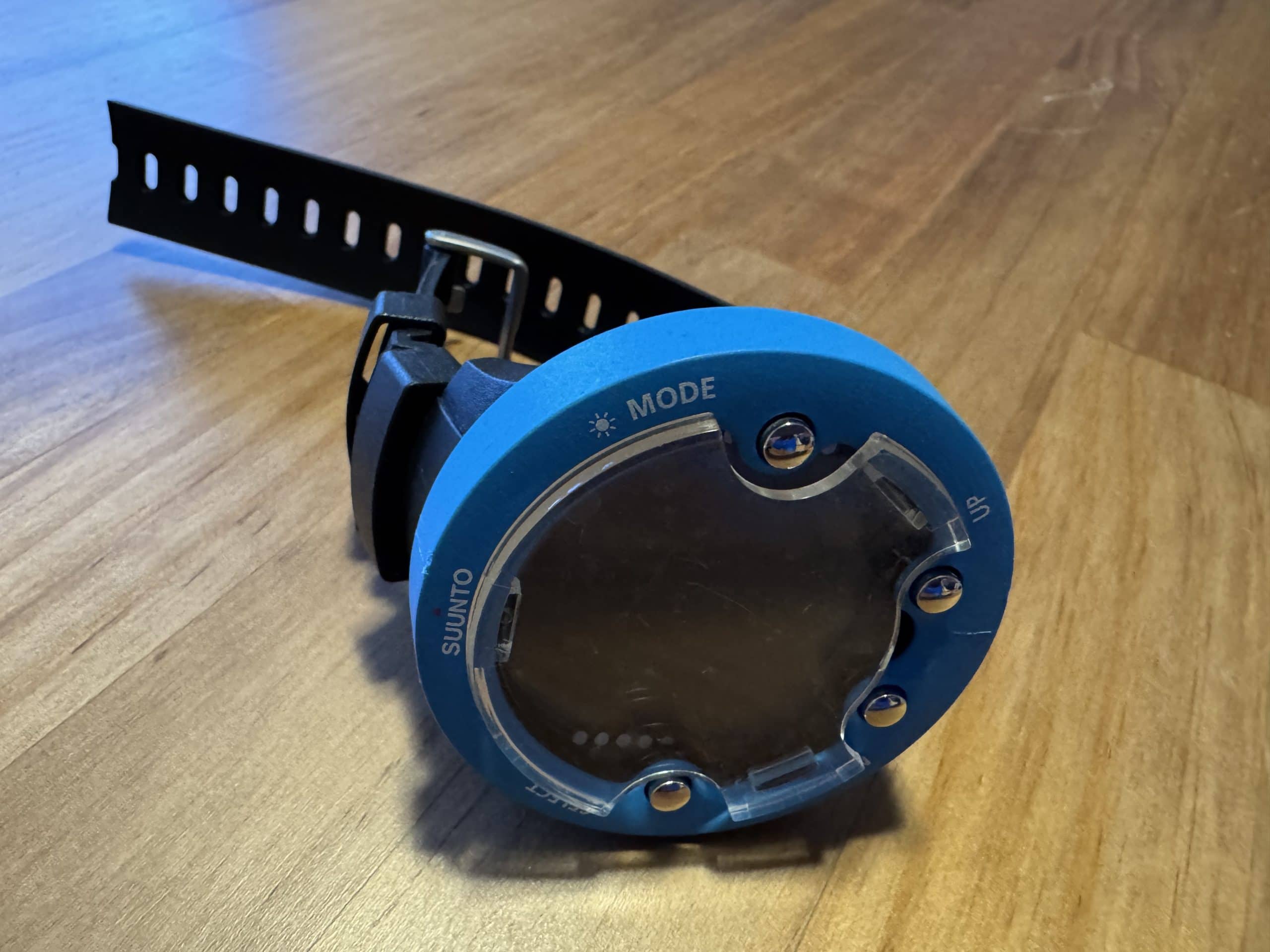
Bring Your Own Dive Computer
If you are a diver, having your own dive computer is strongly recommended. You know how it works, you know its history, and you are not relying on unfamiliar or poorly maintained rental equipment.
Don’t Forget Your Scuba Certification Card
It sounds obvious, but it is easy to forget. Many dive shops can look you up in their system, but it is still much easier and faster if you have your certification card with you.
Double Check Your DAN Insurance
If you dive, make sure your DAN or equivalent dive insurance is active before the trip. It is one of those things you hope you never need, but you really want it to be there if something goes wrong.
I break this down in detail in my full guide to the best scuba diving insurance, including what DAN covers and what to look for.
Do Not Fly Within 24 Hours After Your Last Dive
Always plan your itinerary so you have at least 24 hours between your last dive and your flight. This is a basic safety rule in diving and not something you want to bend.
If you are planning a dive trip, I have a full scuba diving guide here that covers everything from certifications and gear to destinations and safety.
Returning Home
Confirm Your Airport Transport in Advance
Before your departure day, confirm how you are getting to the airport and give yourself plenty of time. Whether it is a hotel transfer, taxi, or ride app, the last thing you want is to be scrambling for a ride or stuck in traffic when you should already be on your way.
Do a Final Sweep for Chargers and Cables
Before you check out, take a few minutes to look around the room and make sure you have all your chargers, adapters, and cables. I have forgotten these more than once, and replacing them on the road or when you get home can be surprisingly expensive.
Keep a Bit of Local Cash Until You Leave
I always keep a small amount of local currency until I am completely through the airport. In the past, I have been hit with airport fees or small charges that were not built into the ticket and had no local cash left to pay them. It is a small thing, but it avoids a lot of hassle.
Plan Your Arrival Home With Jet Lag in Mind
When coming back from a place with a big time difference, like Southeast Asia to Canada, it can be smart to arrive home in the evening, ideally before a weekend. You can go to sleep right away and use the non working weekend days to relax and fight off jet lag before going back to work.
Final Thoughts
After more than 20 years of travelling, I have learned that the best trips are not the ones with perfect plans, but the ones where you are prepared for things to go wrong. This guide is simply the collection of lessons I wish I had known earlier.
Travel doesn’t have to be stressful, complicated, or scary. Most problems are predictable. Most mistakes are avoidable. And once you learn the patterns, the world becomes a lot easier to explore.
If you want to save time and avoid the common booking headaches, these are the exact sites I use for flights, hotels, transport, and travel insurance.
- Download the FREE Travel Tips Cheat Sheet
- Find the best flight deals on Trip.com.
- Reserve budget stays with Hostelworld.
- Book hotels with Booking.com.
- Protect your trip with SafetyWing travel insurance.
- Plan trains, ferries, and buses with 12Go.
- Discover unforgettable activities with GetYourGuide.
- Compare car rentals worldwide with DiscoverCars.
- Watch the Youtube video here.