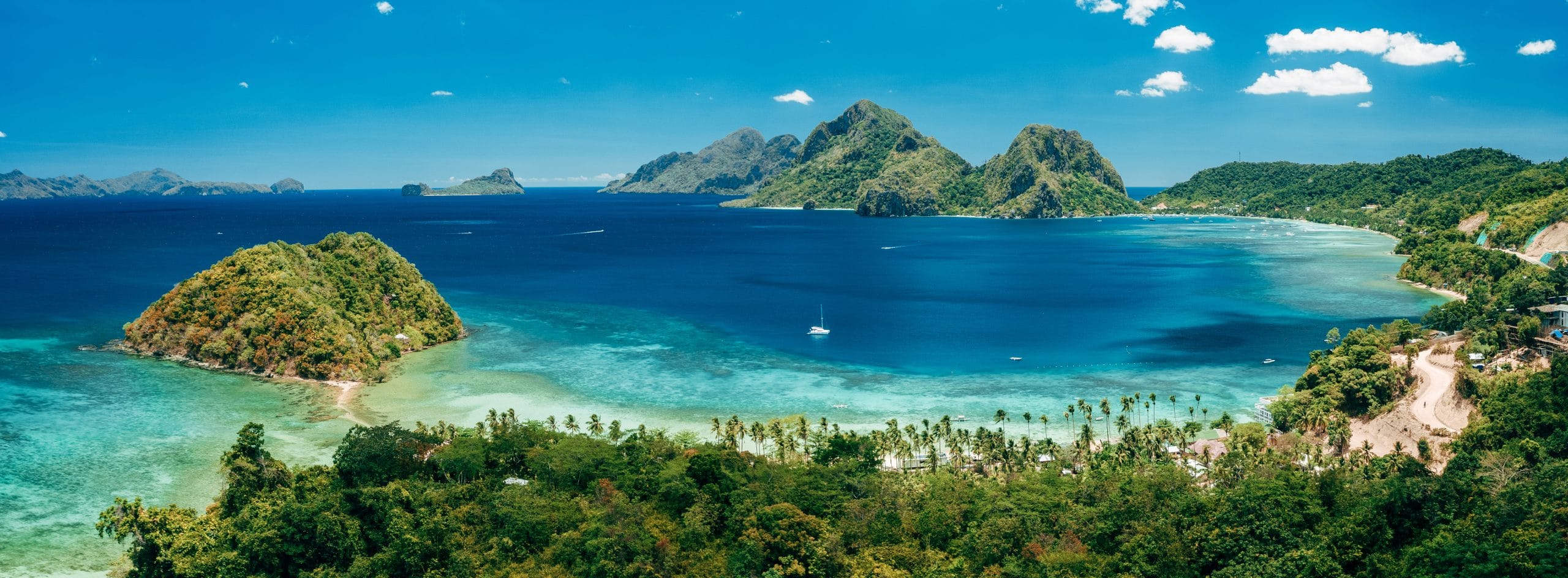
Philippines Travel Guide (2027): Tips, Costs and Everything I’d Know Before Visiting
I first travelled to the Philippines in 2007 for a student exchange and ended up living in the country for about five months. Arriving in Manila after travelling elsewhere in Southeast Asia, my first impressions were a bit mixed. Manila’s airport felt quiet and run down, while outside was incredibly crowded and congested. One thing I immediately appreciated was how easy it was to communicate in English.
It was once I started experiencing the Philippines beyond those first impressions that my opinion really changed. Manila has plenty to offer, but for many travellers it is the gateway to a country filled with tropical islands, incredible natural scenery and some of the friendliest people you will meet in the world.
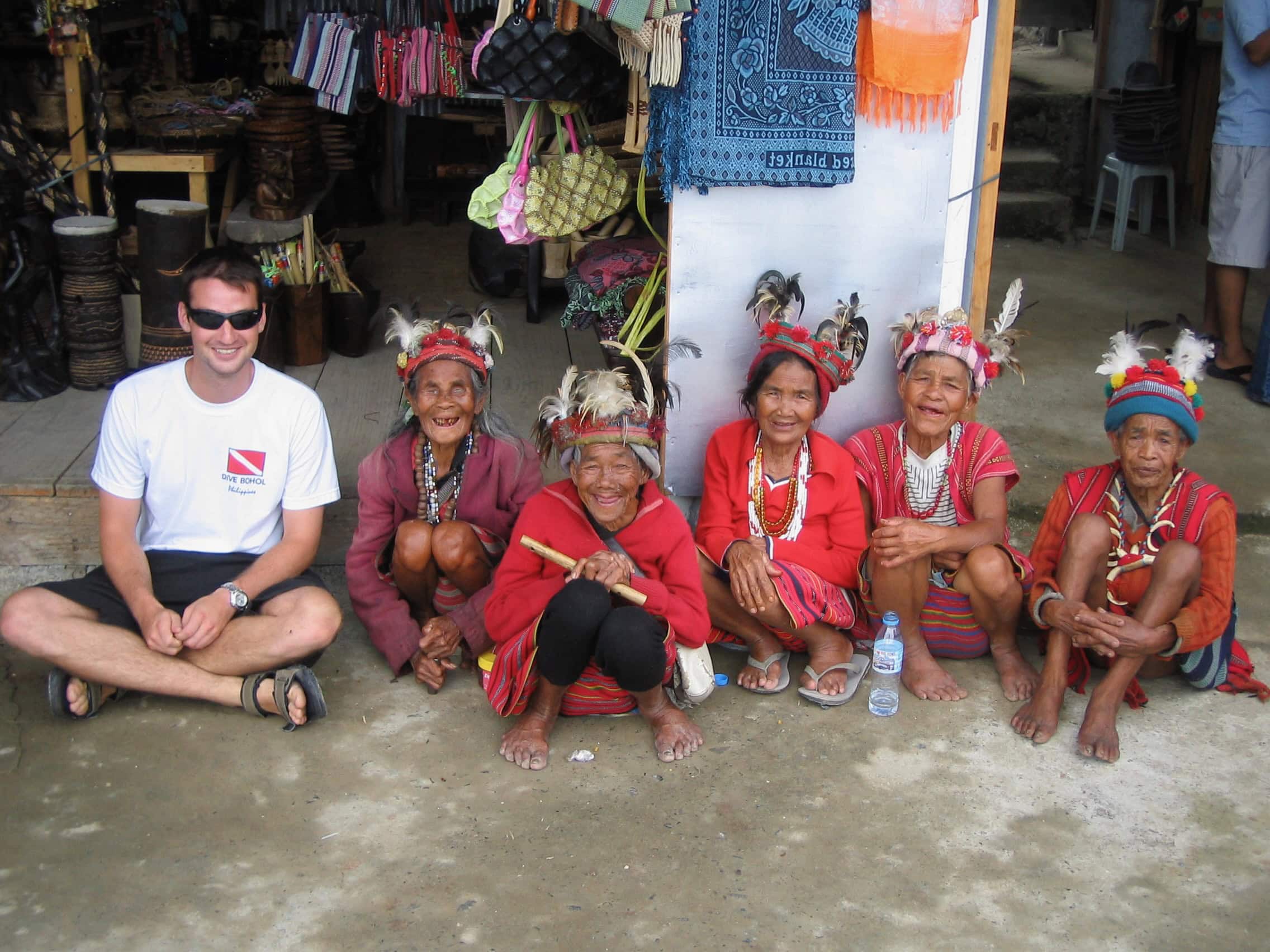
I have spent a lot more time travelling the Philippines since that first trip in 2007. This guide brings together what I have learned about costs, getting around, choosing where to go and the practical things I would want to know before planning a trip today.
Is the Philippines Right for You?
The Philippines is a great fit if you want adventure, beaches and incredible natural scenery. Many of the experiences that make the country special involve scuba diving, snorkelling, hiking, canyoneering, waterfalls and island hopping.
It is less suited to travellers looking primarily for polished cities, museums and urban attractions. Sure Manila and Cebu City have plenty going on, but after spending considerable time in both, I would not put them in the same category as Bangkok or Singapore. Traffic, crowds and poverty can also be in your face, although Manila can be a lot of fun once you give it a chance.
Getting around requires some patience too. A single journey can involve taxis, tricycles, buses, ferries and flights, and accessibility can be difficult with uneven or nonexistent sidewalks. If you are comfortable with some chaos and enjoy adventure, the Philippines has an enormous amount to offer.
Where to Go in the Philippines
With more than 7,000 islands, figuring out where to go in the Philippines can be harder than it looks. Rather than trying to see everything, it helps to break the country into a few major regions and choose the places that best match the kind of trip you want.
Manila and Cebu are the two main gateways for most international travellers, so plan your route around where you arrive and depart. Depending on your itinerary, flying into one and leaving from the other can also save you from unnecessary backtracking.
Manila
Best for: History, food, nightlife and a short city stop
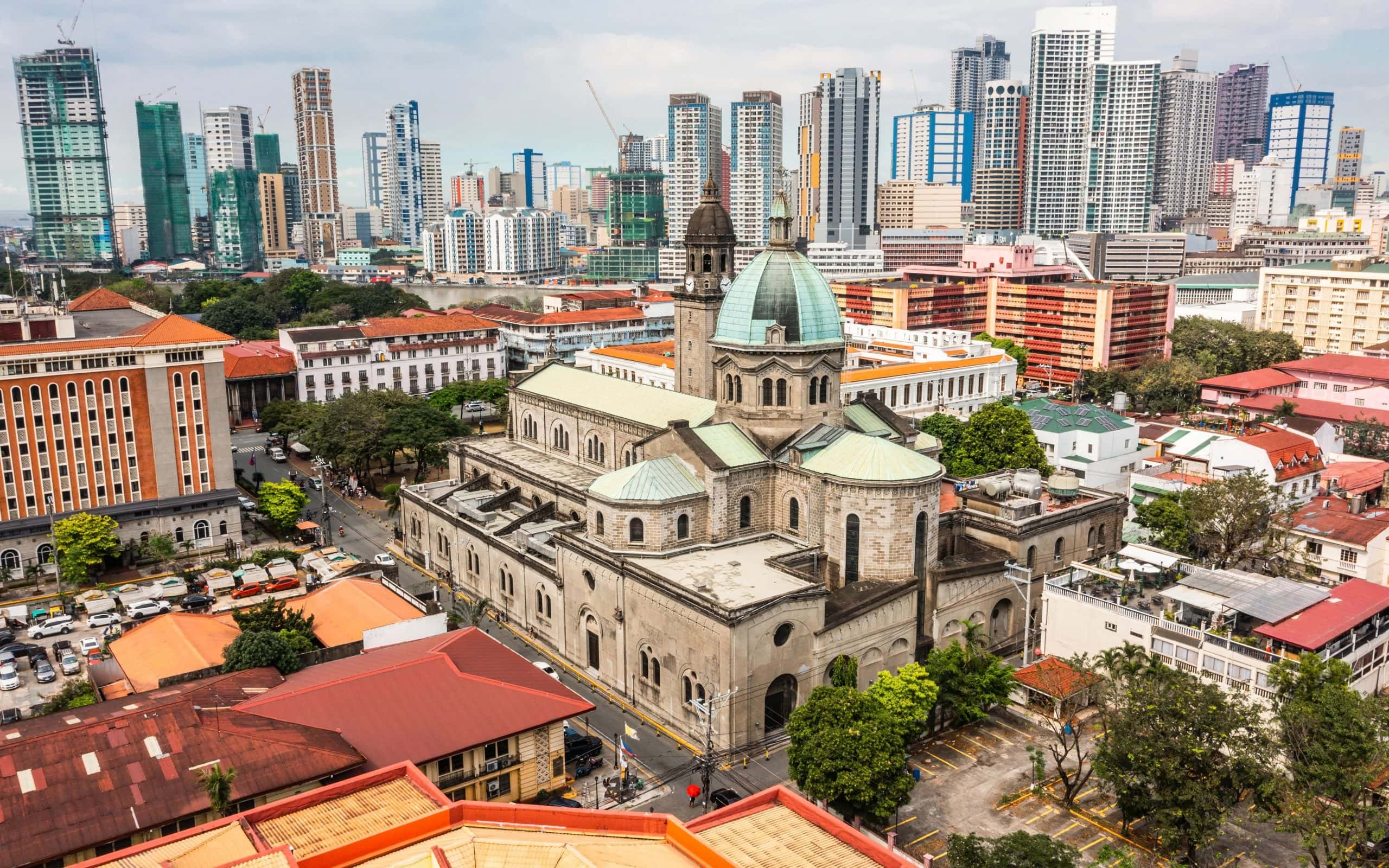
Manila is the main entry point for many visitors, although most will spend more of their trip exploring the provinces. If you have a day or two, Intramuros is the city’s main historic attraction and the best place to get a feel for old Manila.
Traffic and congestion can make getting around surprisingly time consuming, so where you stay matters. Ermita and Malate put you closer to old Manila and Intramuros, while Makati and BGC offer a more modern experience. If you are only staying overnight between flights, I would avoid staying unnecessarily far from the airport.
Luzon Beyond Manila
Best for: Mountains, culture, surfing and diving
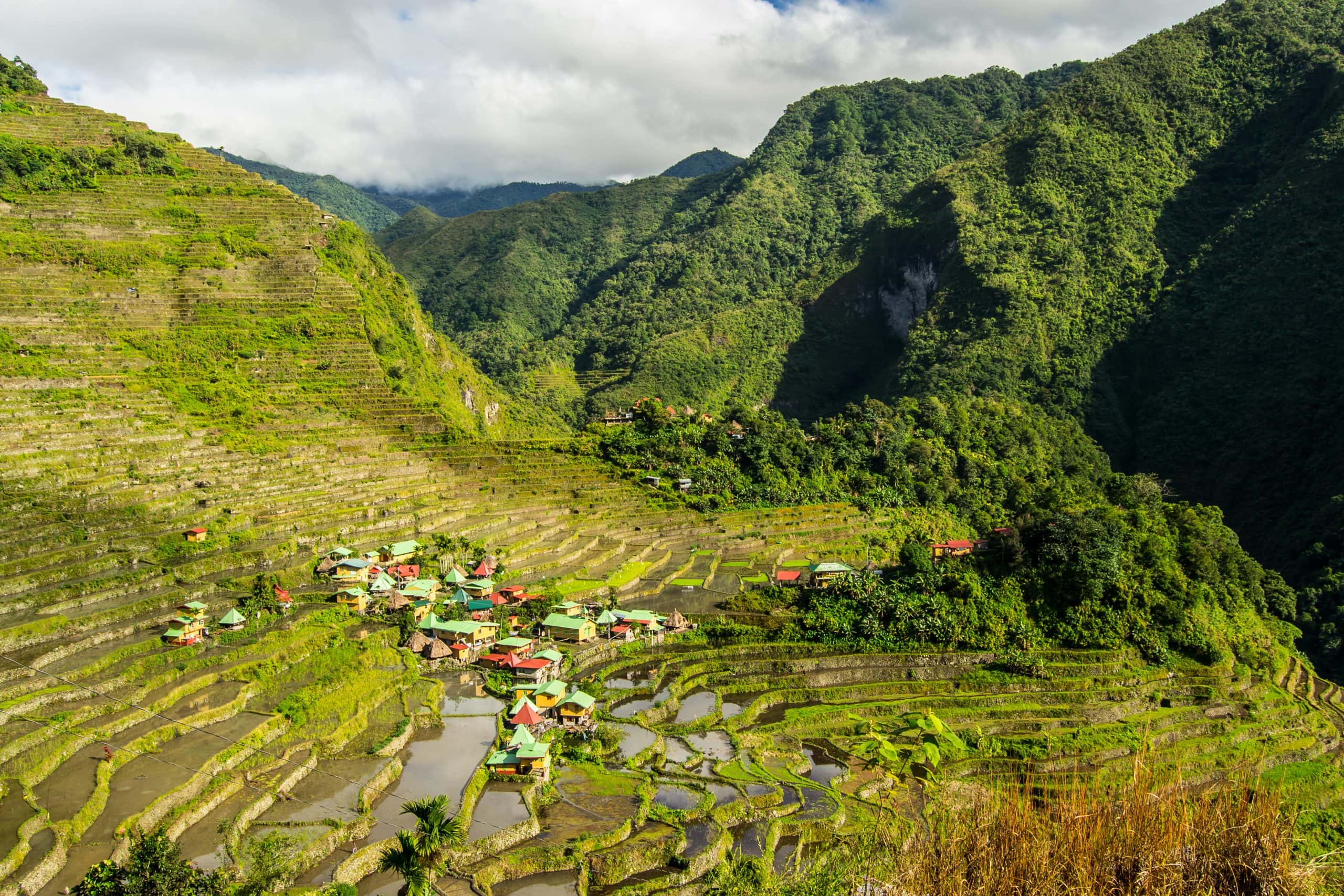
Luzon is a good choice if you want to see a side of the Philippines beyond tropical beaches. Northern Luzon has the rice terraces around Banaue and Batad, the mountains of Sagada and the historic streets of Vigan.
Closer to Manila, Tagaytay is an easy escape from the city, Anilao has some of the best scuba diving within easy reach of the capital, and Baler is one of Luzon’s better known surfing destinations.

Mindoro
Best for: Diving, beaches and an easy escape from Manila
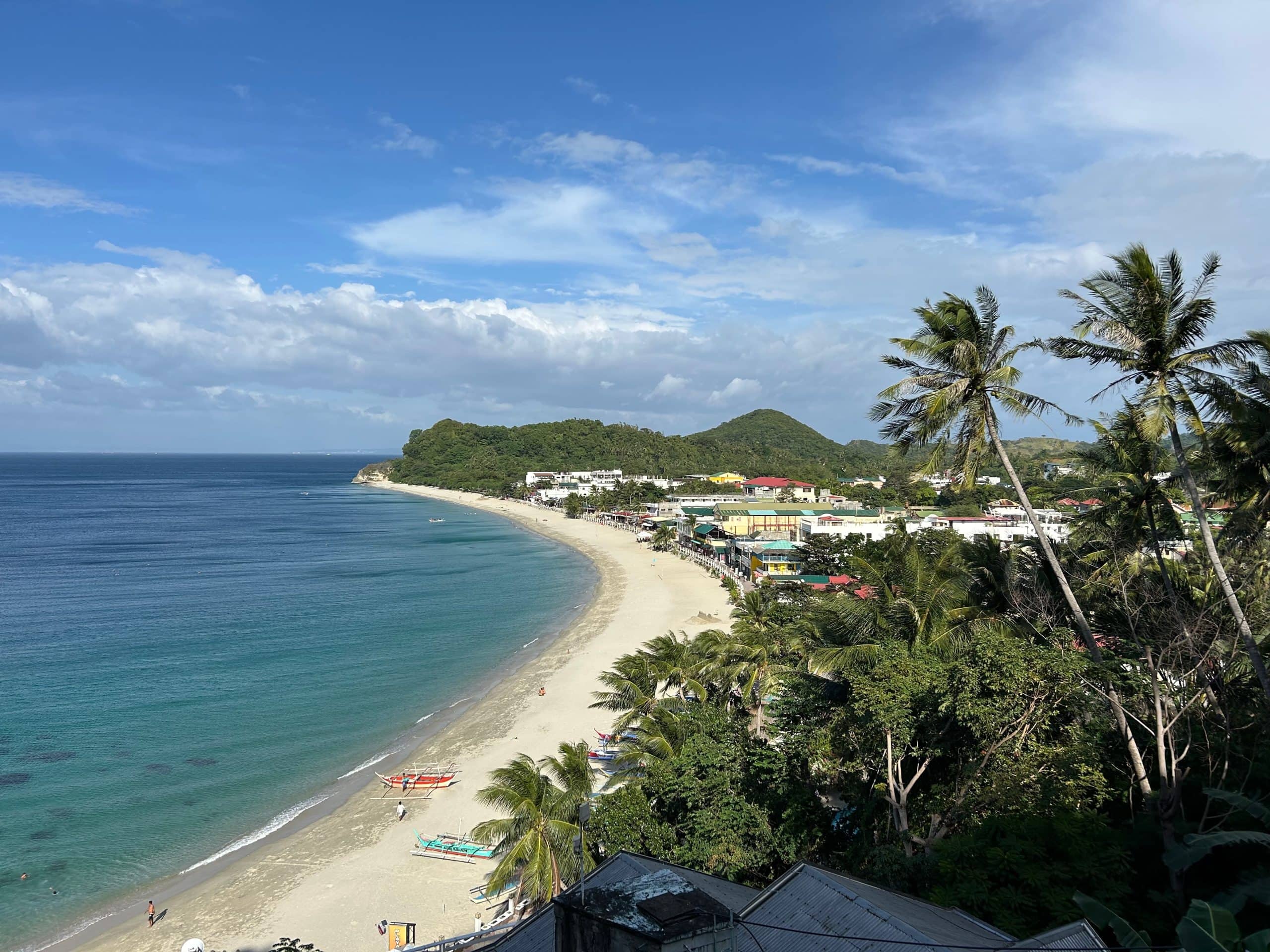
One of Mindoro’s biggest advantages is how quickly the experience changes after leaving Manila. Within a few hours you can go from one of Southeast Asia’s biggest cities to beaches, resorts and excellent scuba diving.
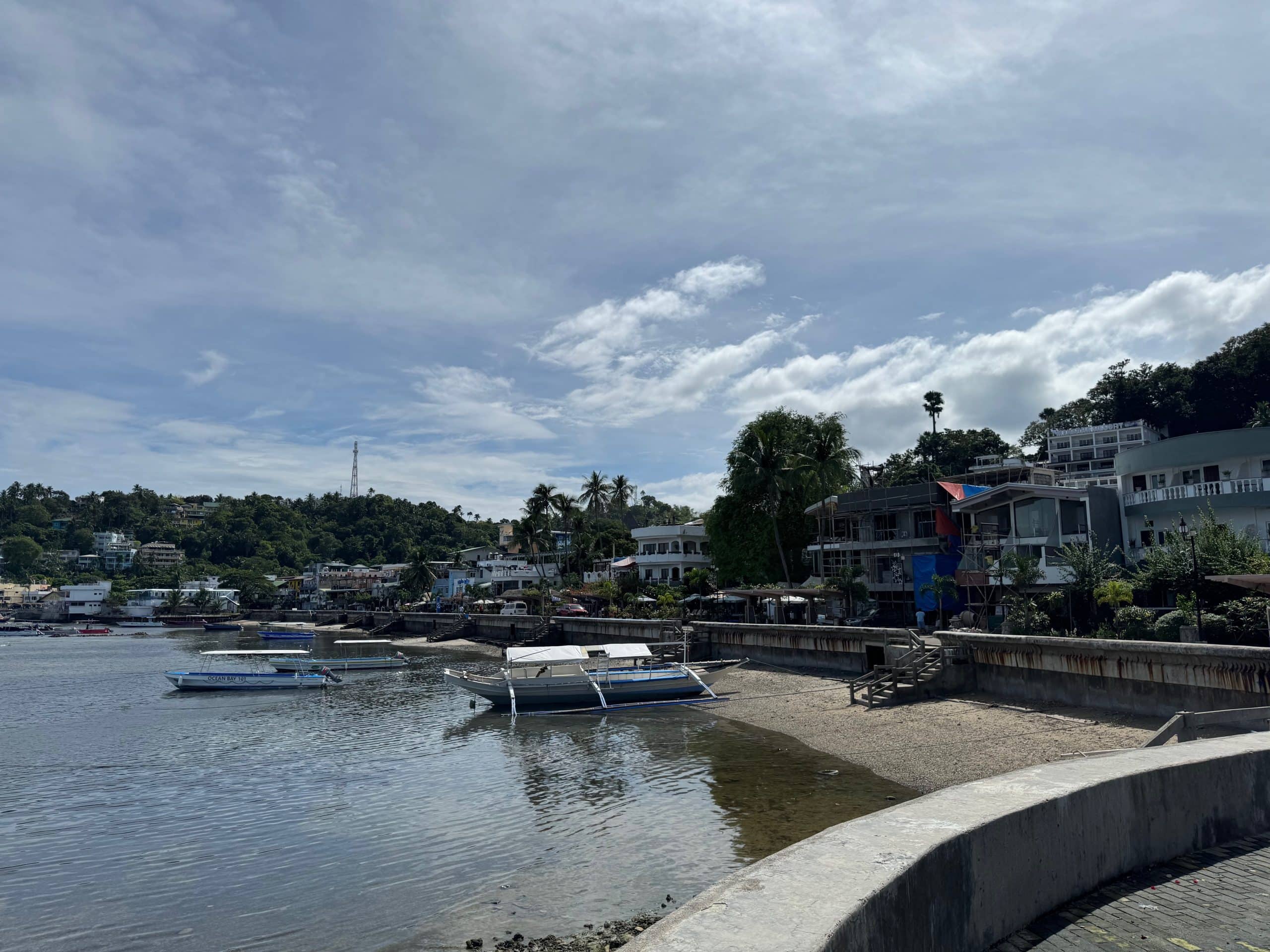
Puerto Galera is the main destination and well known for scuba diving and nightlife. Mindoro makes a lot of sense if you want an island experience without adding another domestic flight to your trip.
The Visayas
Best for: Island hopping, diving, beaches and first time trips
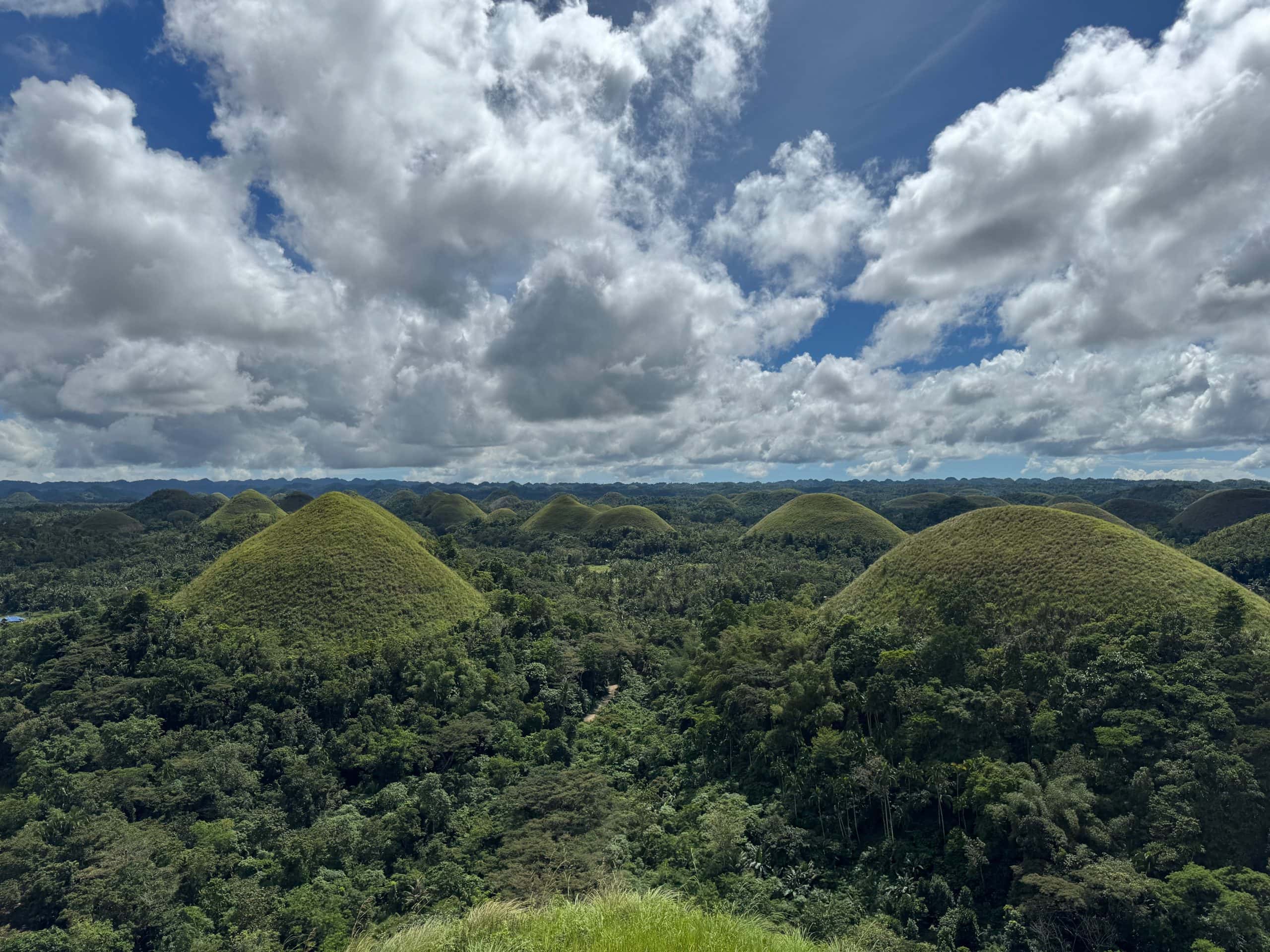
For a first trip, the Visayas are one of the easiest regions to build an entire itinerary around. There are a lot of great destinations relatively close together, and Cebu provides a useful international and domestic transportation hub.
Cebu offers Moalboal, the sardine run and Kawasan Falls. Bohol combines beaches with the Chocolate Hills and tarsiers, while Siquijor has waterfalls and a quieter island atmosphere. Dumaguete is another excellent base, particularly for diving around Apo Island, and Boracay is hard to beat if a beautiful beach is the priority.
Palawan
Best for: Limestone scenery, island hopping and spectacular landscapes
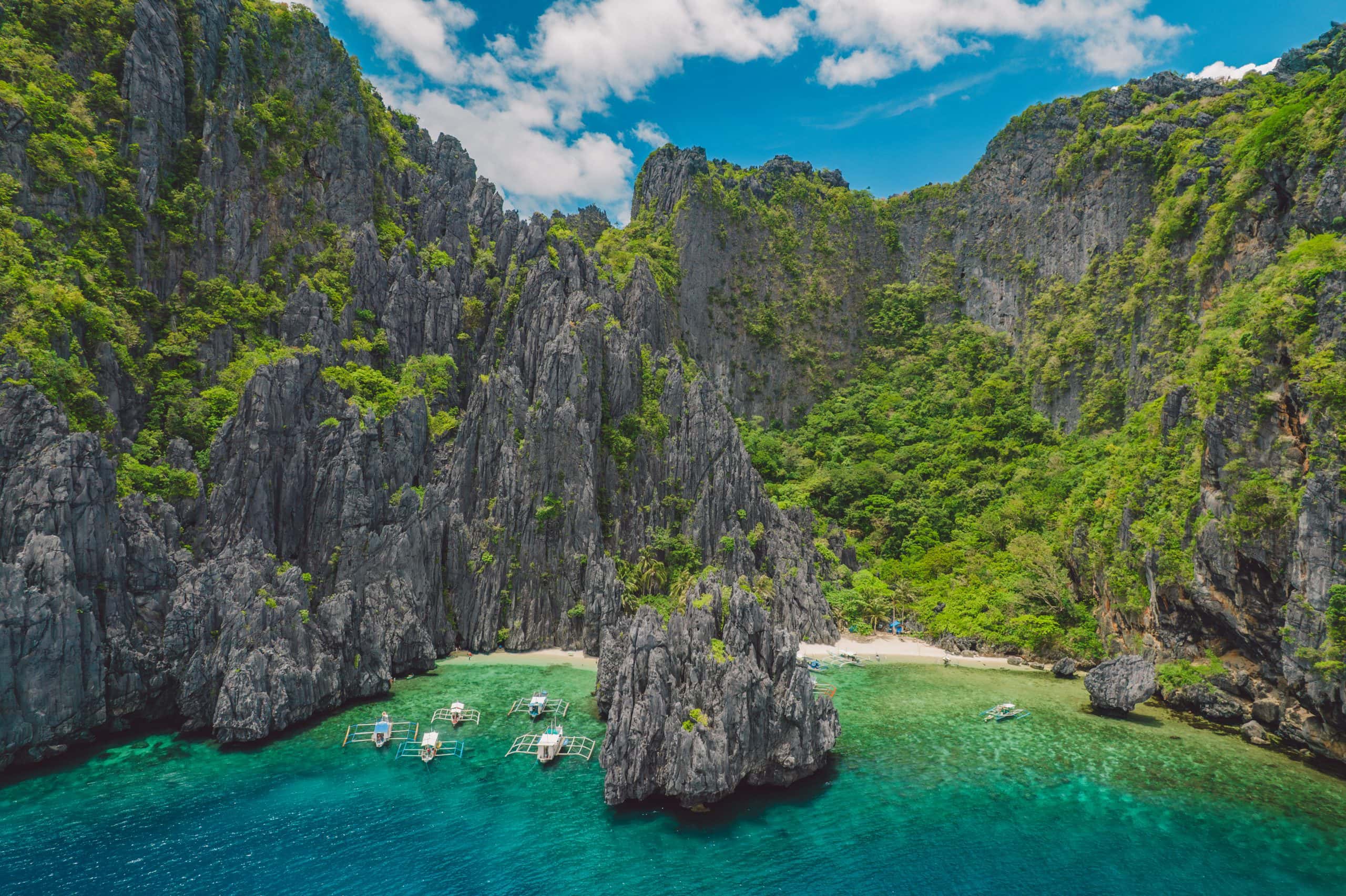
Palawan is the place to consider if the dramatic limestone scenery you see in photos is what attracted you to the Philippines in the first place.
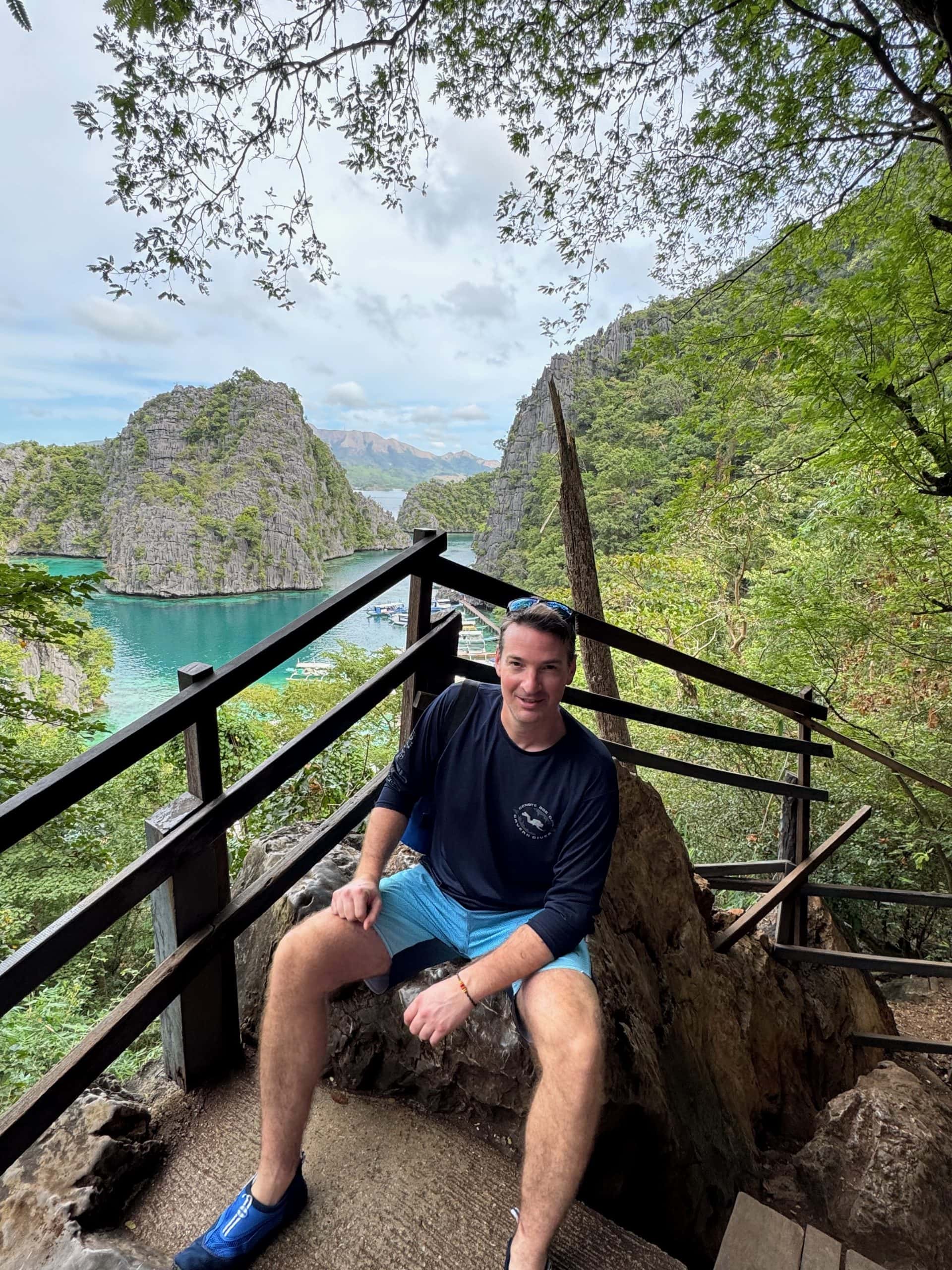
El Nido is famous for lagoons, limestone cliffs and island hopping, while Coron combines similar scenery with lakes and exceptional wreck diving. Puerto Princesa is a major gateway and home to the Underground River, while Port Barton offers a quieter alternative.
How Many Regions Should You Visit?
Unless you have a lot of time, I would resist trying to cover several regions in one trip. Moving around the Philippines is part of the experience, but ferries, flights, buses and transfers can easily consume a lot of time.
For a shorter trip, pick one region and explore it properly. With more time, you can connect two regions logically, especially if you fly into Manila and leave through Cebu or do the reverse.
Best Places to Visit in the Philippines
There really isn’t one “best” island in the Philippines. It depends on whether you’re coming for beaches, diving, surfing, scenery or a bit of everything. I’ve travelled through quite a few parts of the country over the years, and these are the places I’d put near the top of the list depending on the kind of trip you’re planning.
Palawan
Best for: Island hopping and scenery
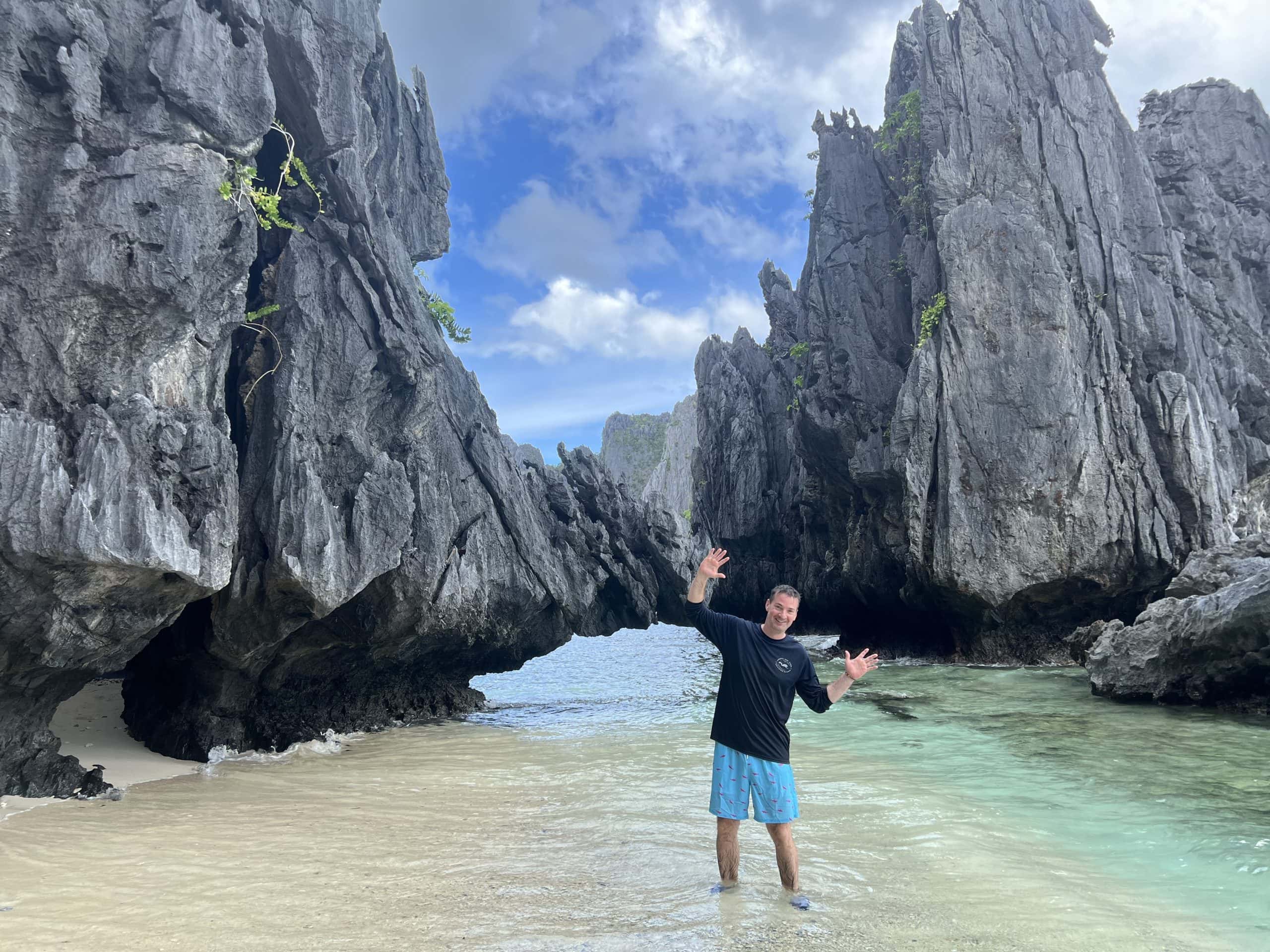
Many of the iconic images that come to mind when you picture the Philippines were taken in Palawan. Around El Nido you’ll find the limestone cliffs, turquoise lagoons and island hopping that the region is famous for, while Coron combines similar scenery with lakes and some exceptional wreck diving.
Puerto Princesa is an easy starting point for exploring Palawan. The spectacular Underground River is well worth seeing, and from there you can work your way north toward El Nido and Coron.
Siargao
Best for: Surfing and island life
Siargao is best known for surfing, but you definitely don’t need to surf to enjoy it. The island has beaches, lagoons, rock pools, palm forests and plenty of opportunities to explore by scooter or boat.
It has also become one of the Philippines’ most popular places to simply hang around for a while. If you want a laid back island atmosphere with restaurants, nightlife and plenty to do during the day, Siargao is hard to beat.
Mindoro
Best for: Beaches and scuba diving
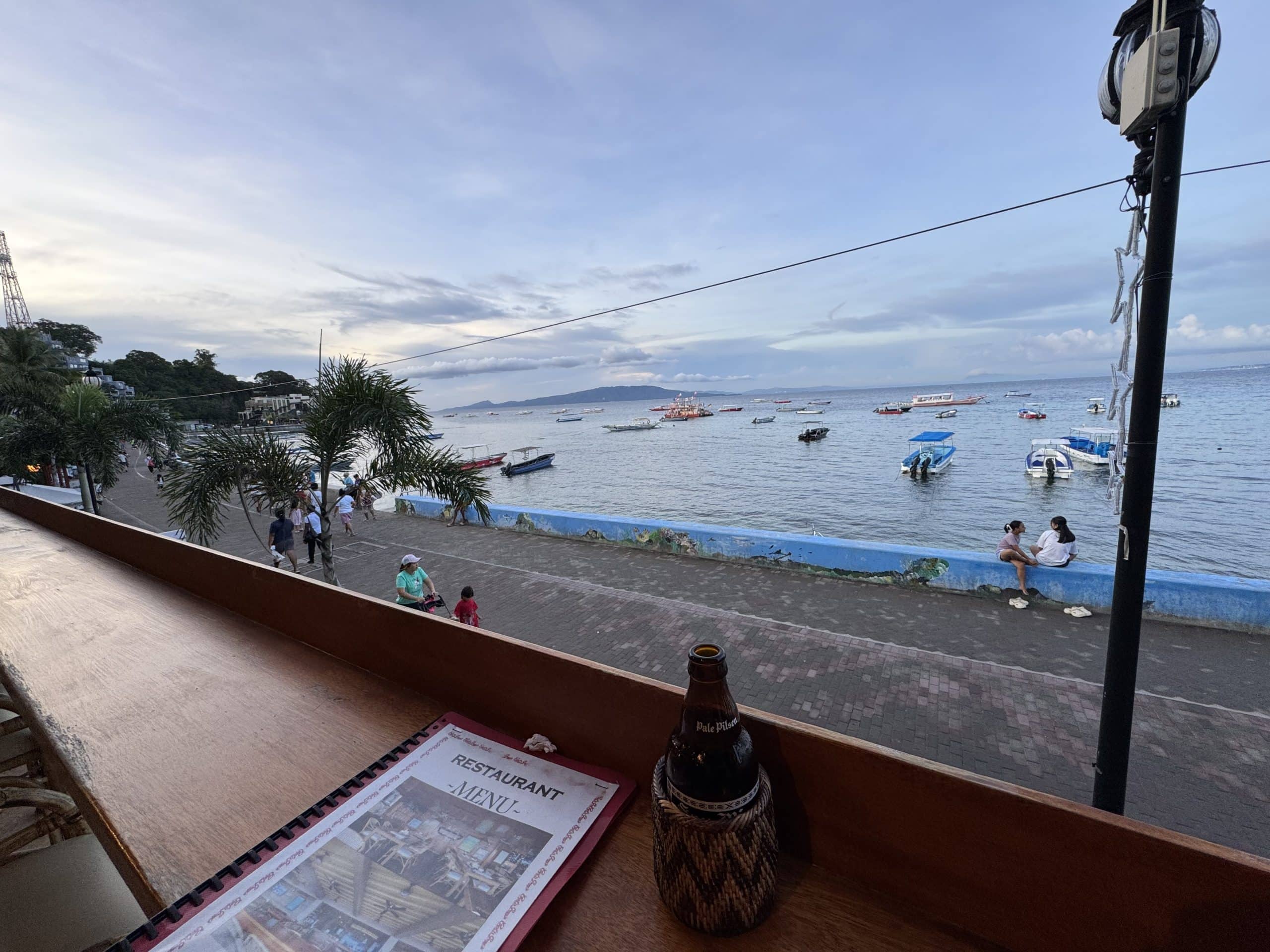
Mindoro was a favourite long weekend escape when I lived in Manila. A few hours to Batangas and a short ferry later, you’re in a tropical setting like Puerto Galera that feels a world away from the chaos of the city, with great resorts and some of the best scuba diving in the Philippines.
Boracay
Best for: White sand beaches & family friendly
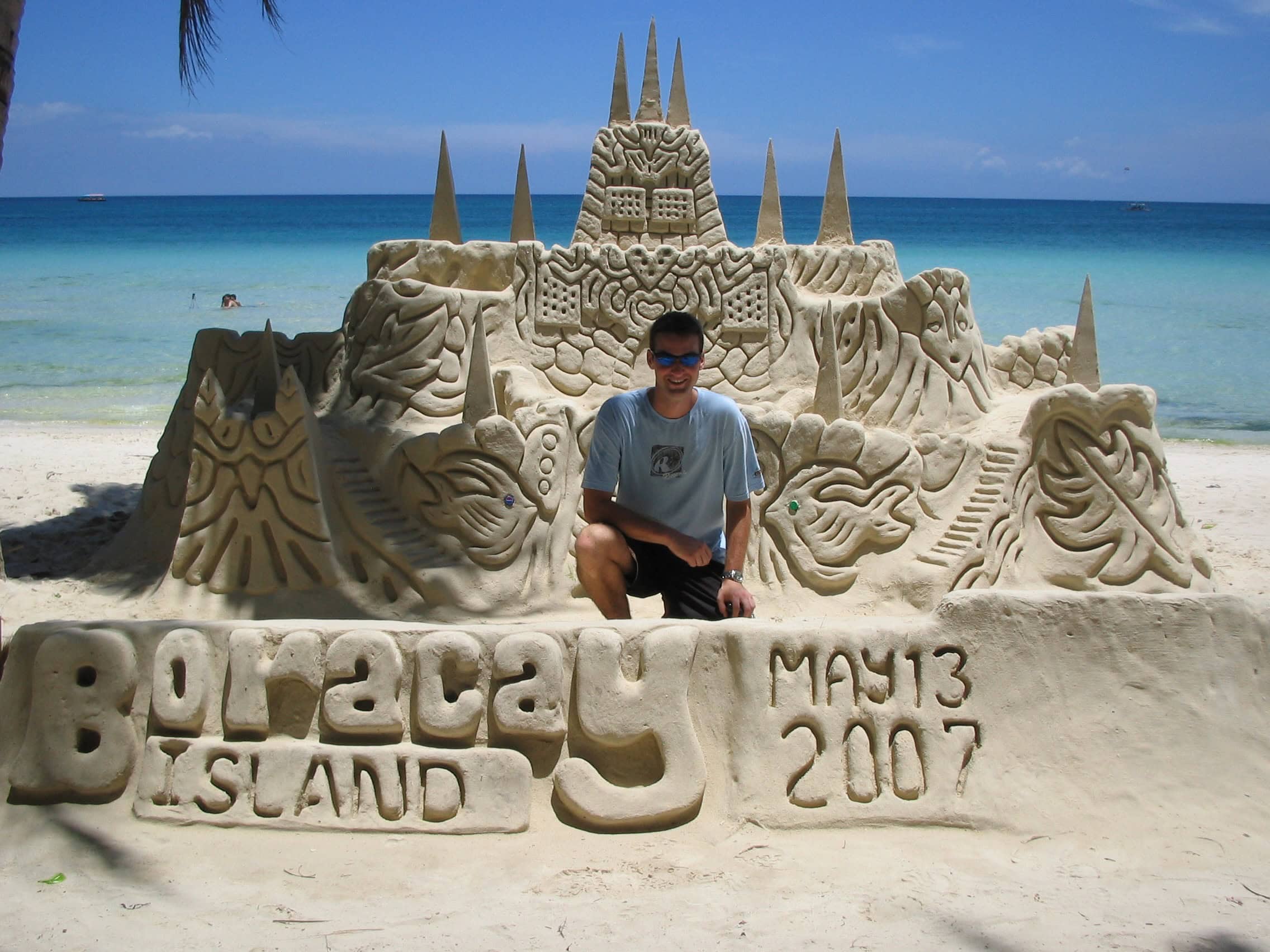
Boracay is still the nicest white sand beach I’ve ever seen. White Beach is long, wide and has incredibly soft white sand. It’s busy and very popular, but if you want that classic tropical beach holiday with resorts, restaurants and nightlife, it’s hard to beat. It also works really well for families looking for an easy beach holiday.
Cebu
Best for: Adventure and variety
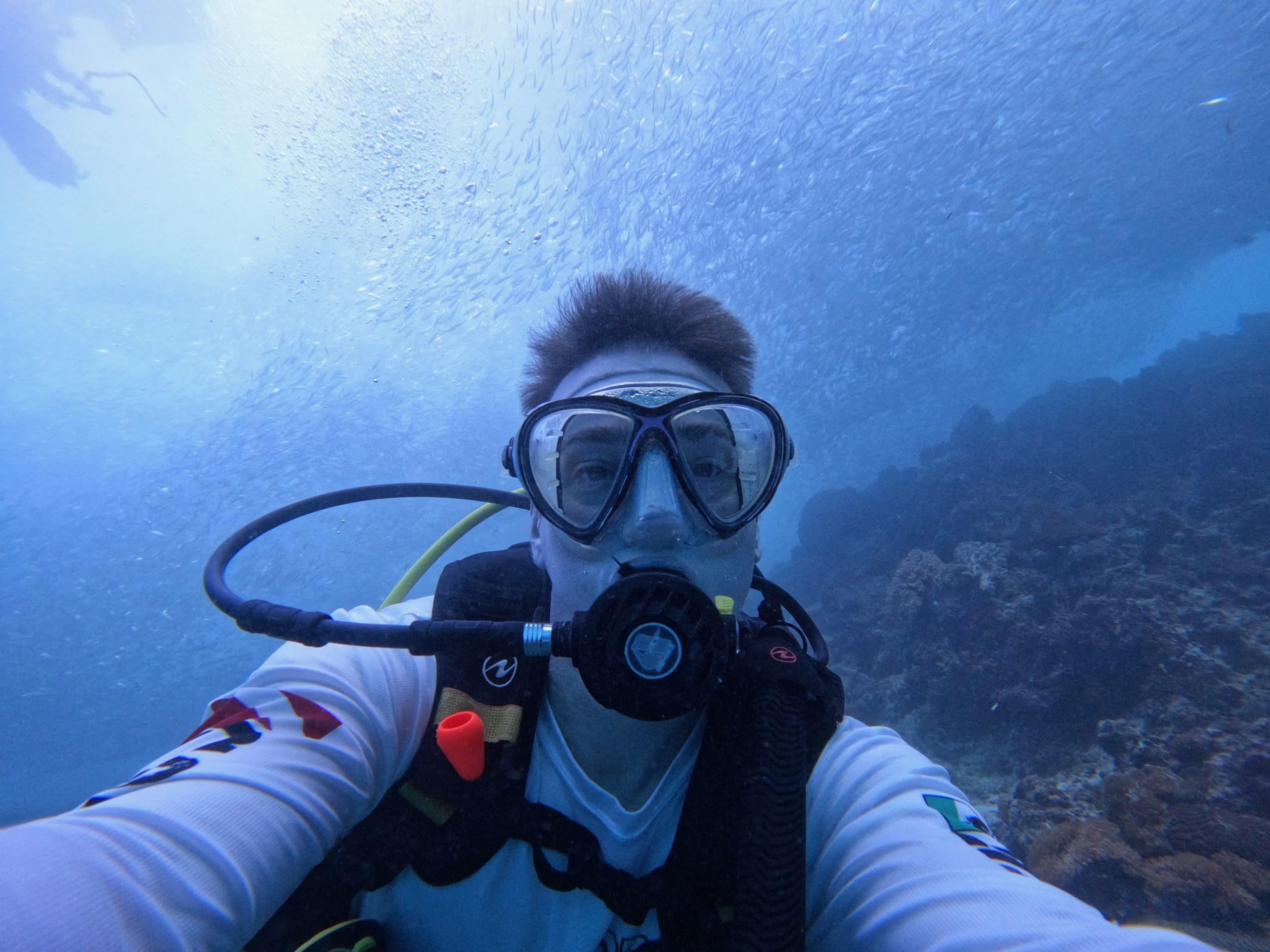

Cebu City is a convenient entry point to the Visayas, but the real adventure starts once you get beyond the city. Head to Moalboal for the famous sardine run, canyoneering, whale shark tours and some excellent scuba diving.
Malapascua
Best for: Scuba diving
Malapascua takes a bit of effort to reach, but you’re rewarded with the chance to consistently dive with thresher sharks. It’s also a laid back tropical island, small enough that you can walk almost everywhere.
Bohol
Best for: First time visitors
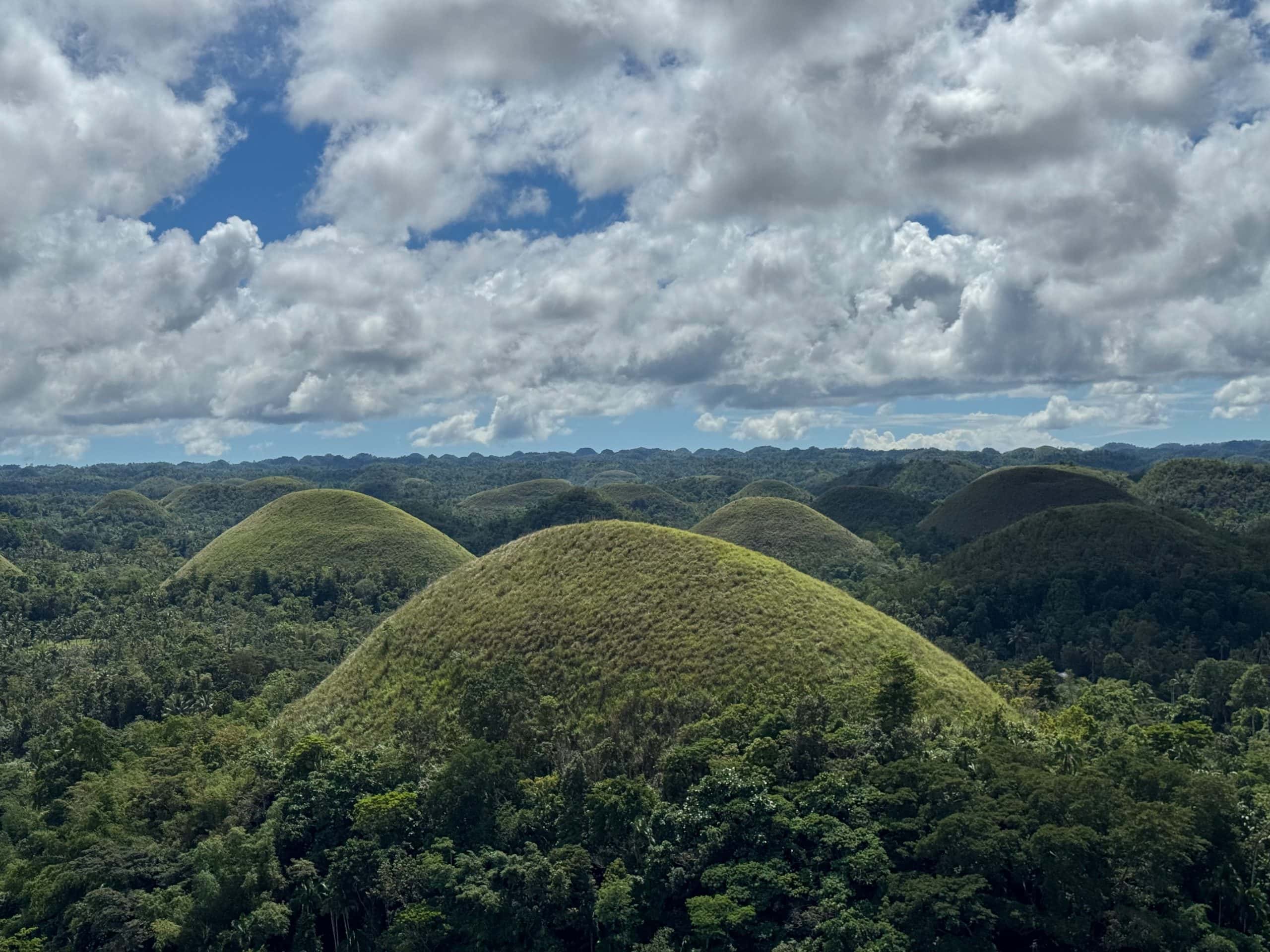
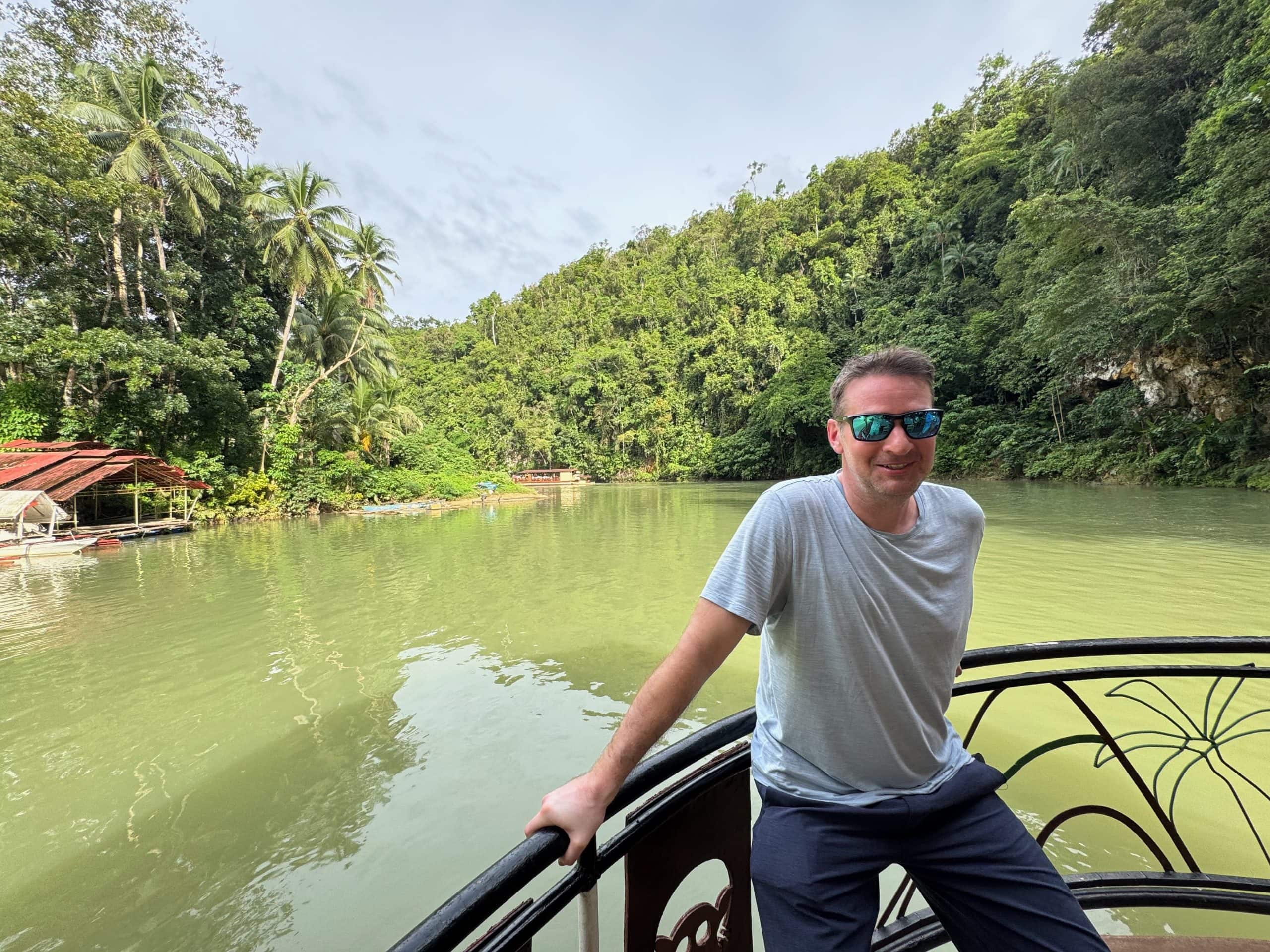
Bohol is one of the easiest places to recommend if this is your first trip to the Philippines because there’s a little bit of everything. You can visit the Chocolate Hills and tarsiers, travel along the Loboc River, explore the countryside and then spend the rest of your time around the beaches of Panglao.
There’s also excellent snorkelling and scuba diving nearby, so you can fit quite a lot into a few days without constantly changing destinations.
Camiguin
Best for: Volcanoes and outdoor adventure
Camiguin is a small volcanic island packed with waterfalls, hot springs and lush scenery. It’s a great choice if you want something a little different from the typical Philippines beach holiday.
Siquijor
Best for: Backpackers and a laid back island experience
Siquijor is a small, laid back island that’s especially popular with backpackers. Rent a scooter and spend your days exploring waterfalls, beaches and swimming holes, with a bit of local folklore adding to the island’s unique character.
Which One Should You Choose?
For a first trip, the Visayas is one of the easiest places to start. Fly into Cebu City and you can build a great trip around Cebu, Bohol, Siquijor and even Negros without covering huge distances.
Palawan can easily be a trip on its own, although flights from Puerto Princesa and Coron make it easy to connect with other parts of the country. If you’re mainly looking for a relaxing beach holiday, especially with a family, Boracay is probably the easiest choice.
Best Philippines Itineraries for First Time Visitors
There are endless ways to travel around the Philippines, but if it’s your first trip, I wouldn’t try to see too much. Pick an area, give yourself some time and go from there.
Here are a few routes I’d consider based on trips I’ve done myself.
Manila and Puerto Galera
Manila → Batangas → Puerto Galera → Manila
Getting to Puerto Galera can seem a little complicated at first, but once you know the route it’s actually pretty straightforward. Land in Manila, get some sleep, then head to Batangas the next morning and take the ferry across.
My guide to getting from Manila to Puerto Galera walks through the whole trip and makes it pretty easy to plan.
Spend a long weekend or a week there for beaches, resorts and some excellent scuba diving, then head back to Manila. Anilao is another good option if diving is the priority and you want to stay on Luzon.
Best of Luzon
Manila → Tagaytay → San Juan or Baler → Banaue
Start in Manila, head down to Tagaytay to see Taal Volcano and then work your way north.
Spend a few days surfing around San Juan or Baler, then head into the mountains for the rice terraces around Banaue. It’s a good route if you want some surfing, mountains and culture rather than spending the whole trip island hopping.
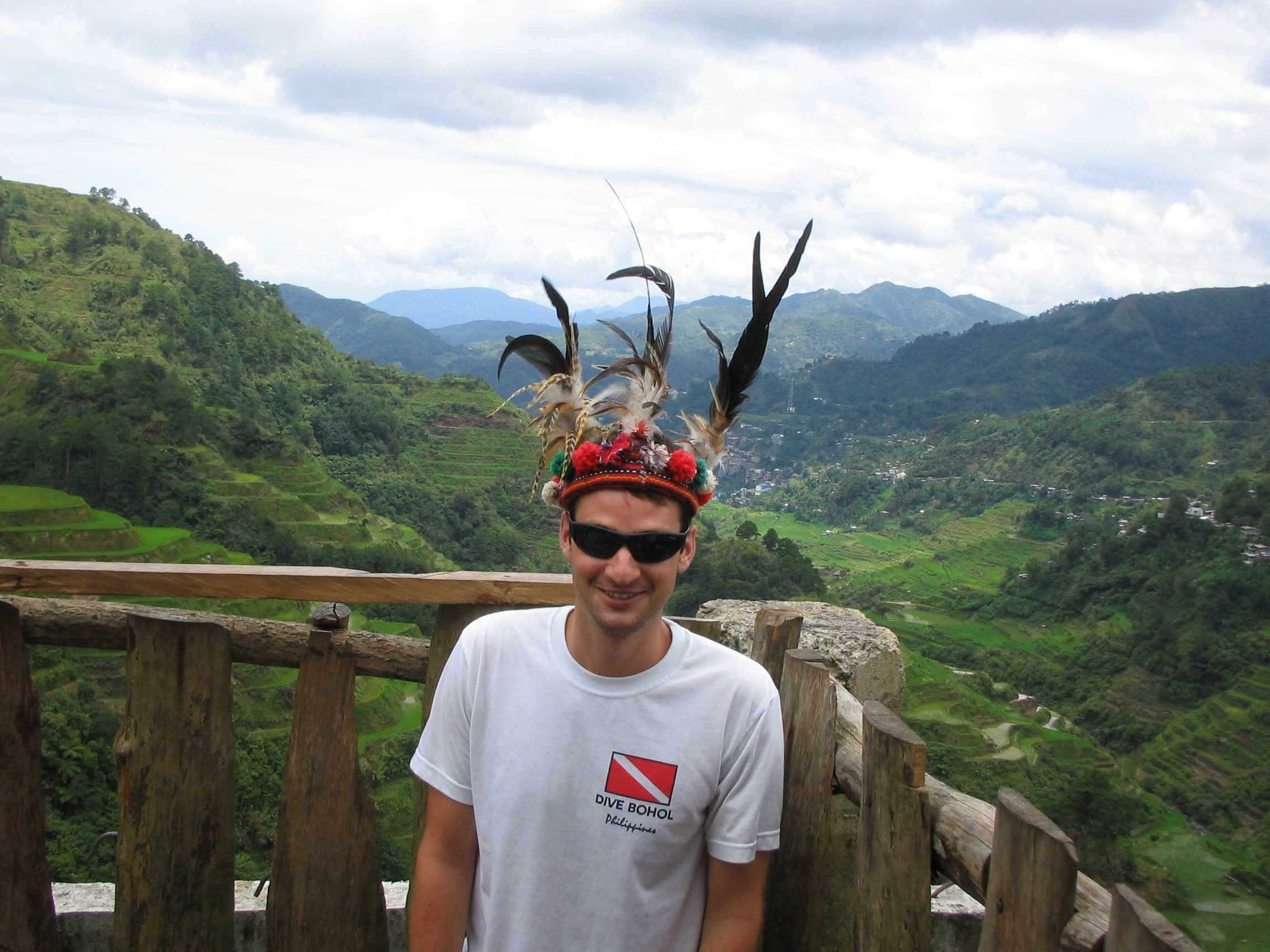
The Visayas
Cebu City → Malapascua → Bohol → Dumaguete/Siquijor → Moalboal → Cebu City
If I was planning a longer first trip to the Philippines, this is one of the routes I’d seriously consider. Fly into Cebu City, spend a day or two there if you want to explore, and if you’re unsure, here’s my take on whether Cebu City is worth visiting.
Head north to Malapascua for thresher shark diving, then take the ferry over to Bohol for three or four days. The Bohol countryside tour is an easy way to see the Chocolate Hills, Loboc River and tarsiers all in a single day.
From there, continue to Dumaguete for diving at Apo Island, add Siquijor for a few days, then, continue to Dumaguete for diving at Apo Island, add Siquijor for a few days, then make your way back toward Cebu and finish in Moalboal for the sardine run, canyoneering, diving and beaches before heading back to Cebu City.

Palawan
Puerto Princesa → El Nido → Coron
I just did this trip over Christmas, and it works really well because you can travel north through Palawan without having to backtrack.
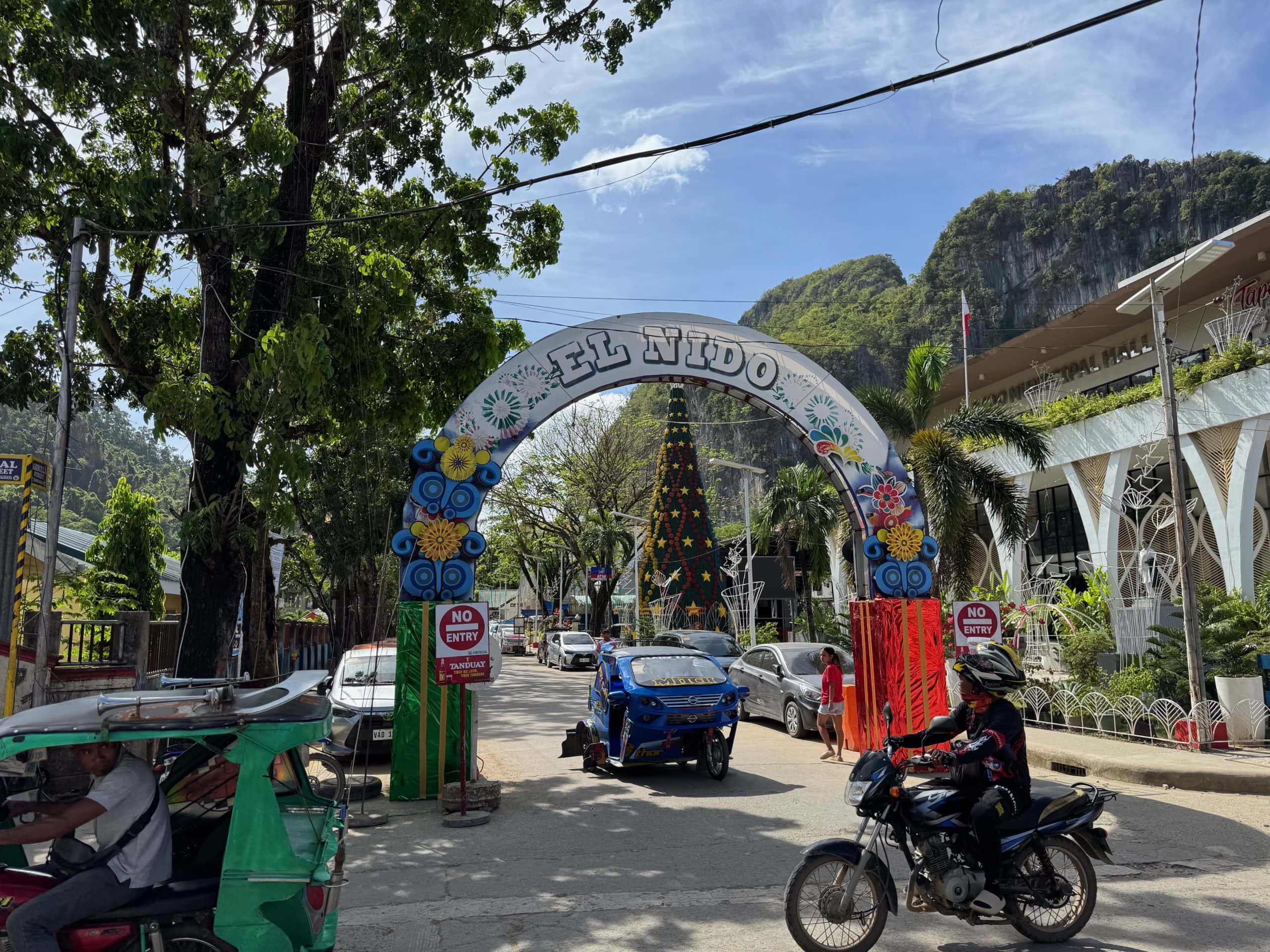
Puerto Princesa usually has some of the easiest and most affordable flights into Palawan, so it’s a natural place to start. The Underground River is the big attraction, but deciding how long to spend in Puerto Princesa really depends on what else you want to see before heading north.

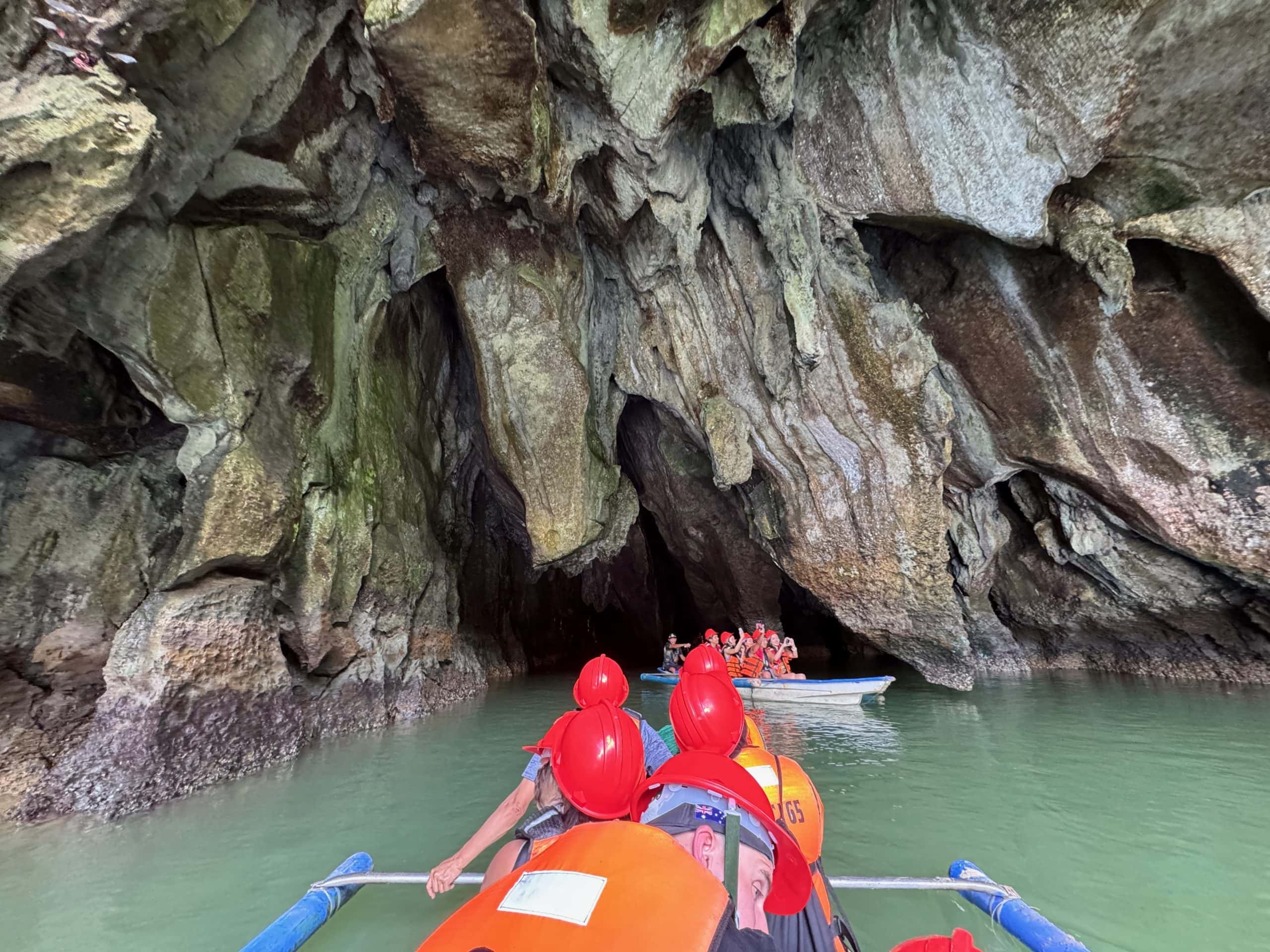
From there, head to El Nido. Most travellers take one of the shared vans, but there’s a much better option that often gets overlooked. My Puerto Princesa to El Nido guide compares the bus and van and explains why I’d choose the bus.
Give yourself three or four days in El Nido for island hopping. Tour A and Tour C are the two big choices, and my El Nido Tour A vs Tour C comparison breaks down the differences.
From El Nido, you can take the ferry to Coron or make the journey part of the adventure with a multi day island hopping and camping trip from El Nido to Coron. Spend another three or four days in Coron for island hopping and WWII wreck diving, then fly out from there.
Manila and Boracay
Manila → Caticlan → Boracay → Manila
If you just want an easy beach holiday, keep it simple.
Fly from Manila to Caticlan, take the short boat ride over to Boracay and spend three, four or five days enjoying White Beach.
It’s an easy option for families, couples or anyone who’d rather spend their holiday on the beach than constantly moving from place to place.
Best Time to Visit the Philippines
There isn’t really one best time to visit the Philippines because the weather changes depending on where you are. The western side, including Manila, Palawan, Mindoro and Boracay, is generally driest from November to May. On the eastern side, the seasons are almost reversed, while the Visayas tend to be a little less defined.
I’ve travelled around the Philippines during both the wet and dry seasons, and the wet season isn’t all bad. It’s cheaper, less crowded and often you’ll get a short burst of heavy rain followed by beautiful weather. It can be extremely hot and muggy though, while December and January can actually feel surprisingly cool and comfortable.
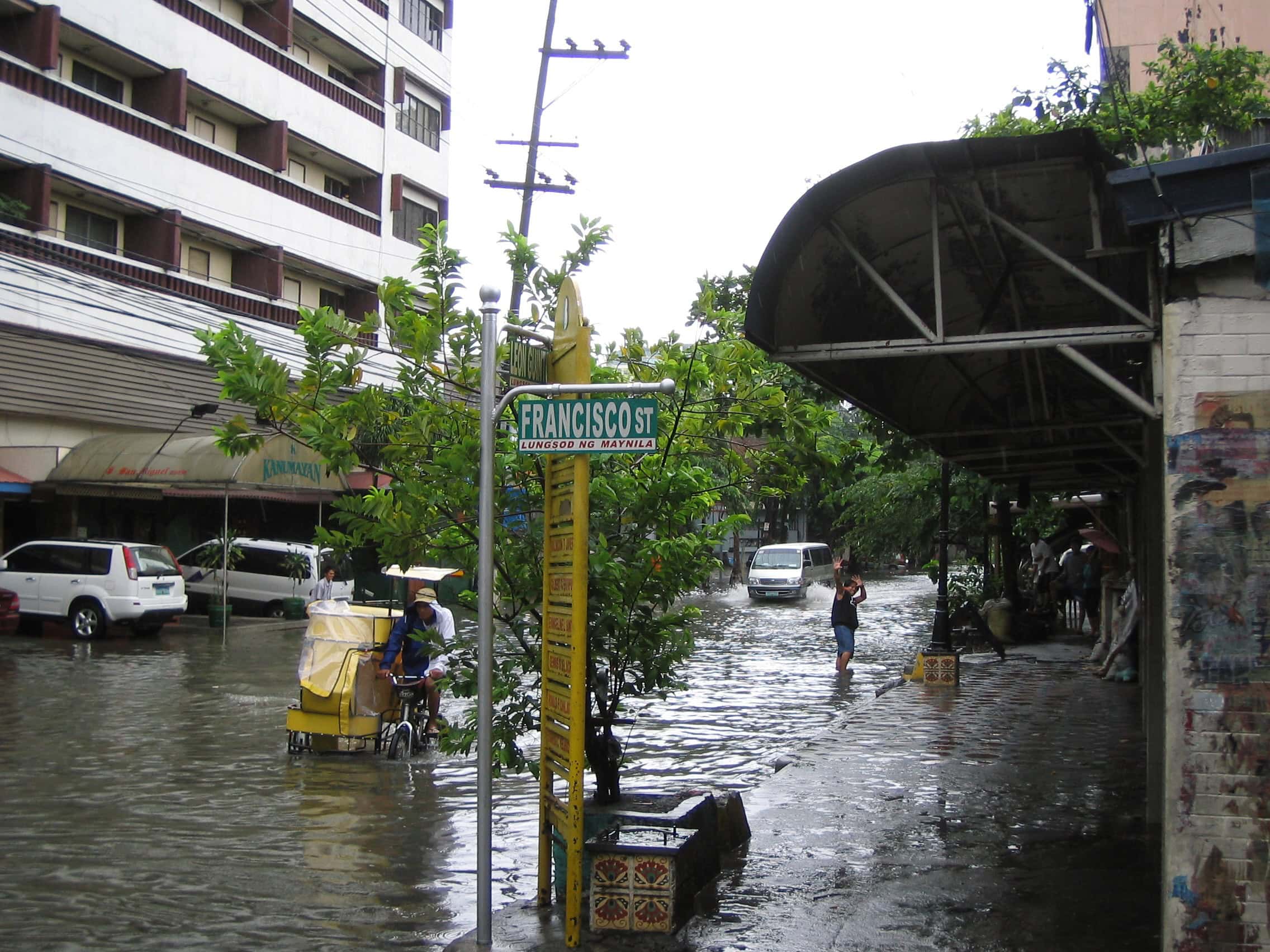
Typhoons are the bigger concern. I experienced two while living in Manila, and the flooding was bad enough to close schools and bring parts of the city to a standstill.
For scuba divers: The dry season generally brings better conditions, but I’ve had rainy days during the dry season and beautiful diving weather during the wet season too.
Philippines Entry Requirements
Getting into the Philippines is pretty easy for most travellers. Many nationalities get 30 days visa free on arrival, but not everyone does, so check the rules for your passport before you go.
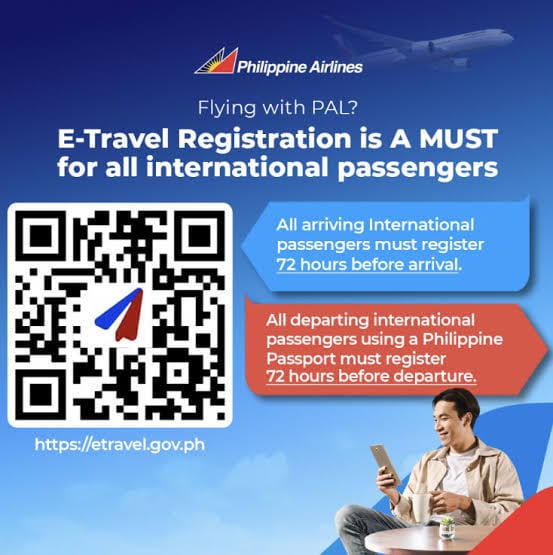
The annoying part is eTravel, the Philippines’ online arrival registration system. You fill it out before your trip and receive a QR code that you may need when travelling. Do it before leaving home. I’ve been stuck at the airport in Canada filling it out on my phone, and I’ve also arrived in Manila with a dead phone and couldn’t access it.
A few things to remember:
- Passport valid for at least six months
- Proof of an onward or return flight
- Complete eTravel before heading to the airport
- Screenshot your eTravel QR code and bring a battery bank
Watch out for eTravel scams: eTravel is completely free. There are unofficial websites that look legitimate but charge travellers to register. Use the official Philippine government website below.
Official Philippines eTravel Registration:
eTravel.gov.ph
Entry requirements can change, so always double check before travelling.
Philippines Travel Budget
Coming from Canada, I find the Philippines very affordable, but it can still be more expensive than you might expect. You can travel dirt cheap if you want to, but there are also plenty of luxury hotels and resorts where you can spend a fortune. For the average traveller though, your money goes a long way.
To give you an idea of what things actually cost:
- Decent hotel: $20 to $50 USD per night
- Budget room: around $15 USD per night
- Local meal: roughly $3 to $5 USD
- Nicer restaurant: around $15 USD per meal
- Beer: $1 to $3 USD
- Full day El Nido island hopping tour: around $20 USD
- Scuba diving: roughly $20 to $30 USD per dive, sometimes less with multi day packages
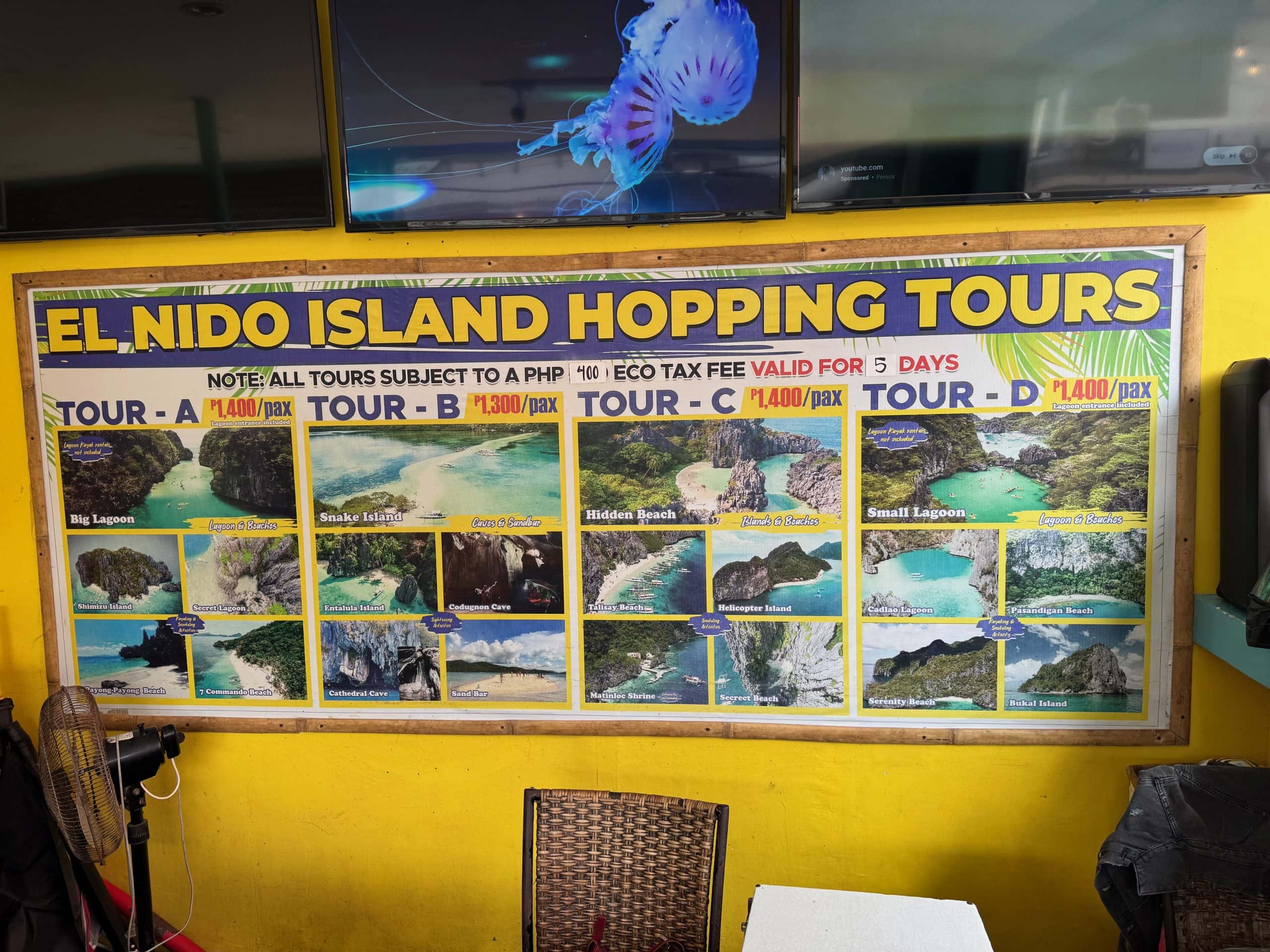
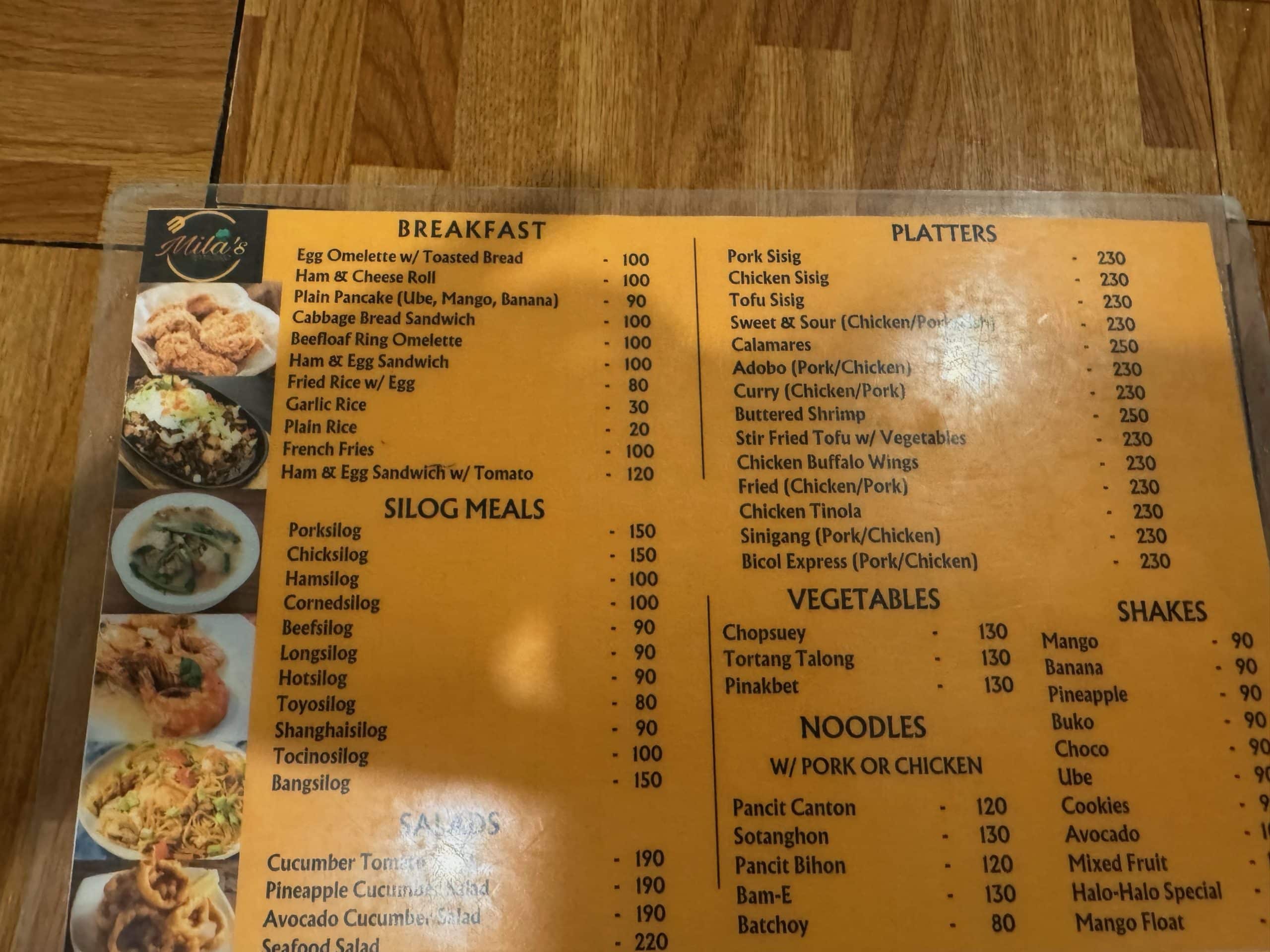
The biggest thing that can push up your budget is moving around. With more than 7,000 islands, flights, ferries and transfers add up quickly if you’re trying to see too much in one trip.
Getting Around the Philippines
As someone who has travelled all over the Philippines, I can tell you that getting around can be part of the adventure. Distances can be deceiving, traffic can be brutal and travelling between islands often involves several different forms of transportation.
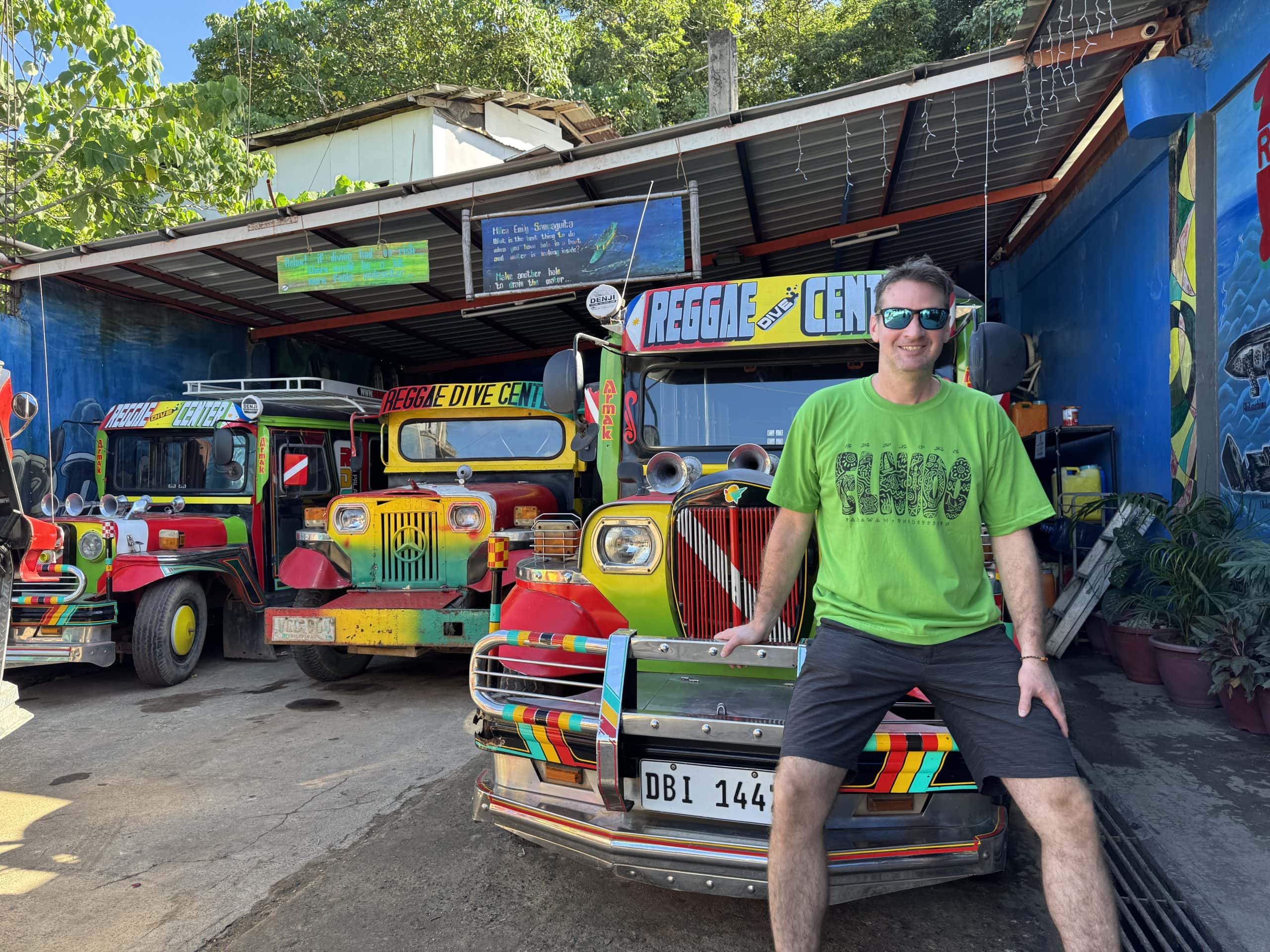
I once took a bus from Manila to Banaue that ended up taking around 15 hours. The air conditioning was cranked so high I was freezing, it was pouring rain and at one point water was actually coming through the roof. Ever since then, I bring a sweater on long bus rides and never assume somewhere is close just because it looks close on the map.
Most international travellers enter through Manila, Cebu or Clark. Manila has the most connections, but the airport can be frustrating. There are four terminals and transferring between them isn’t always straightforward. Give yourself plenty of time between flights and when travelling to the airport because Manila traffic can turn a relatively short drive into a very long one.
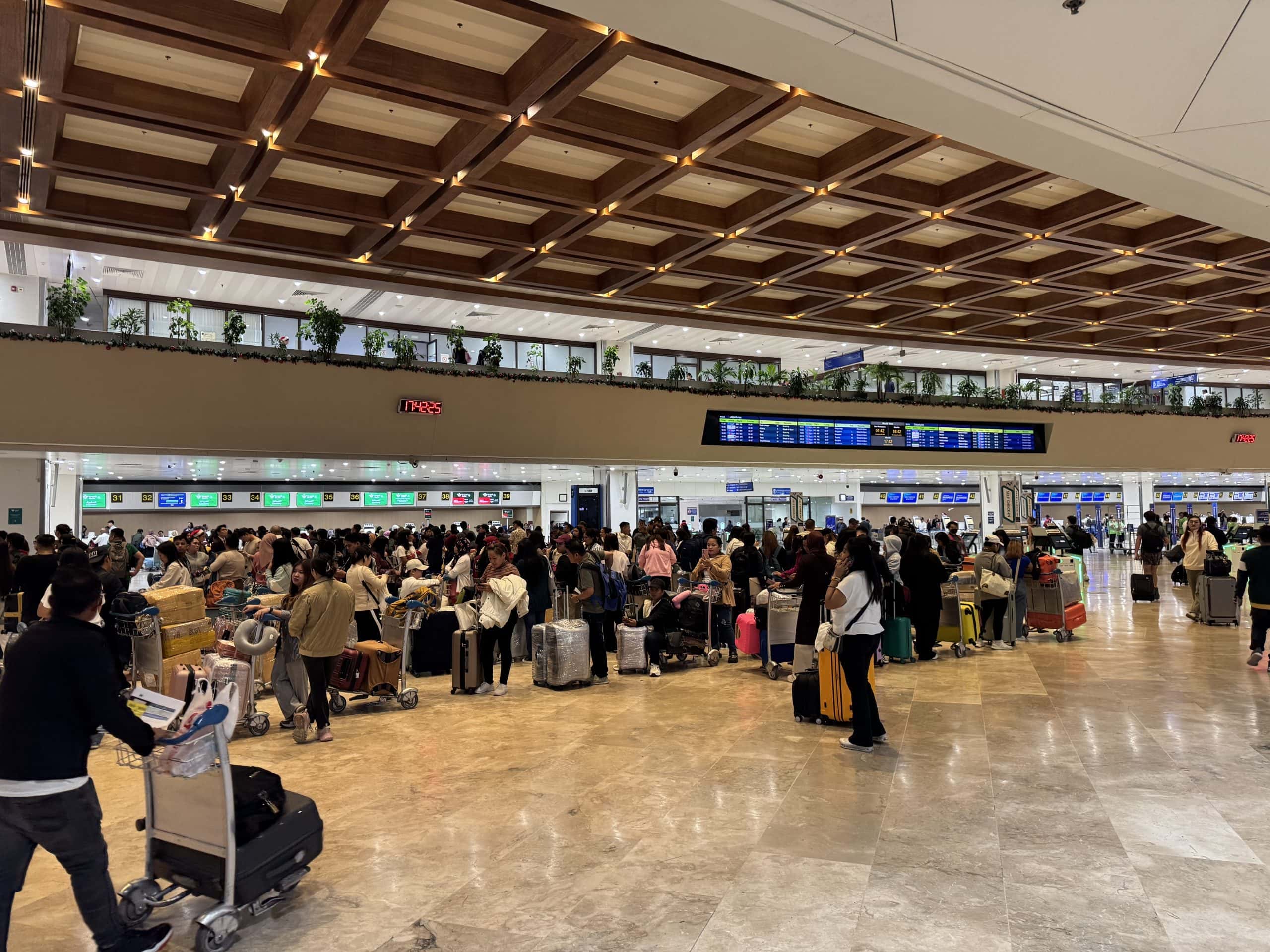
If you’re travelling around the Visayas, I prefer flying into Cebu when it makes sense. I find the airport easier to navigate than Manila and Cebu is a convenient jumping off point for destinations throughout the central Philippines. If Bohol is your destination, also check international connections through South Korea. There are direct flights into Panglao that can save you from flying into Cebu and then taking the ferry to Bohol.
For Northern Luzon, Clark can also be worth considering. Depending on where you’re headed, it can allow you to skip Manila’s congestion entirely.
Getting Around Once You’re There
One of the interesting things about travelling through a country made up of thousands of islands is how many forms of transportation you might use in a single day. I’ve had trips involving a tricycle, taxi, flight and ferry just to get from one destination to another.
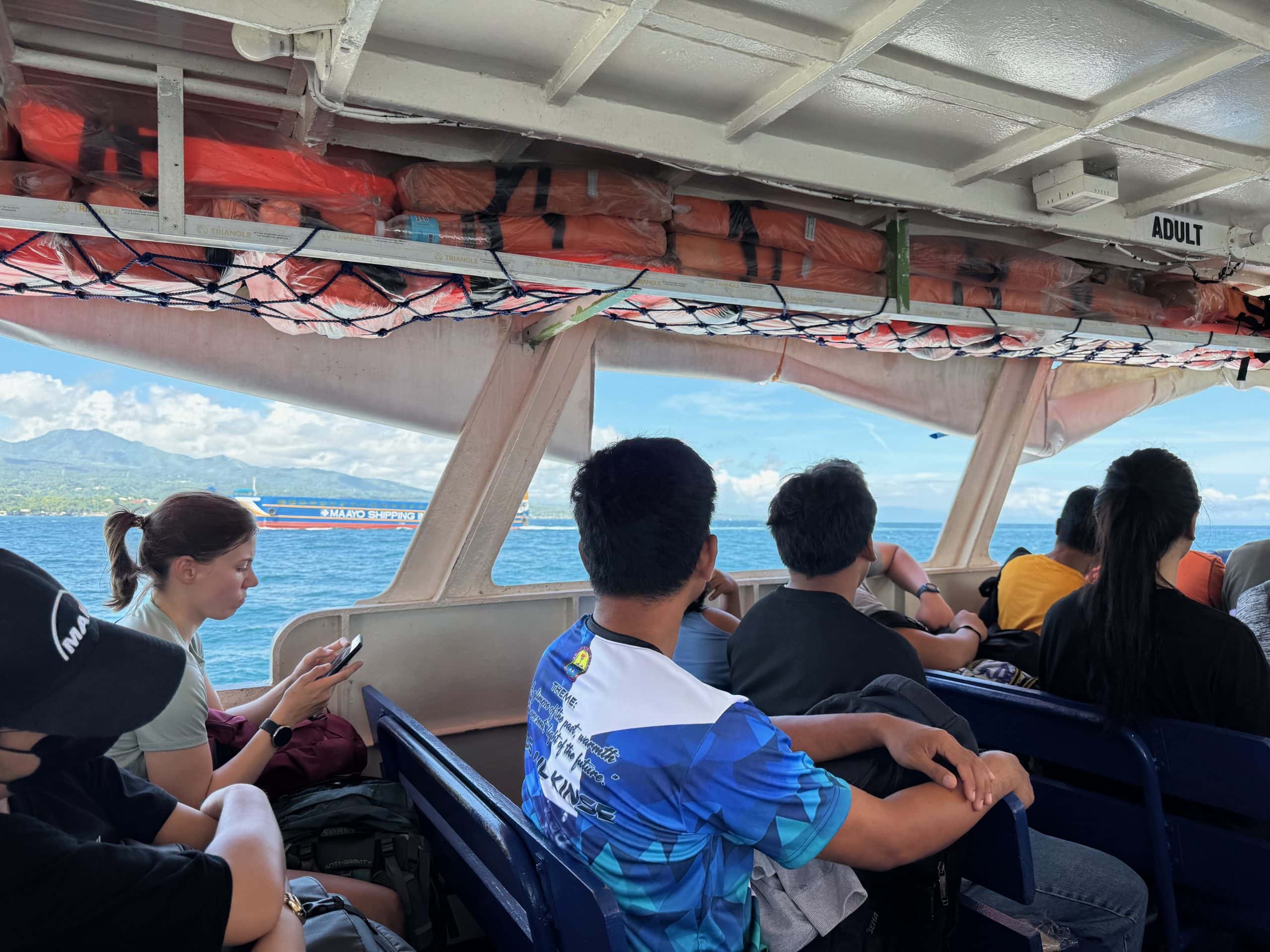
A few tips from my experience:
- Use Grab in larger cities when it’s available. It works similarly to Uber, you know the price beforehand and you don’t have to worry about negotiating or getting change.
- Be careful with taxis around Manila, especially at the airport. Most drivers are fine, but some will try to overcharge foreign travellers. Stick to official taxi stands where available and make sure the meter is being used before you leave.
- 12Go is useful for checking and booking buses, ferries and other transportation around the Philippines.
Safety in the Philippines
Overall, I consider the Philippines a fairly safe country to travel around. I’ve visited four times and spent five months living in Manila, where I regularly walked around the city, used the LRT and MRT and came home alone at night. I never had any serious problems.
For most travellers, petty theft and scams are more realistic concerns than violent crime. Crowded trains, markets, airports and tourist areas are where I’d pay the most attention to my belongings.
Traffic and just getting around on foot can actually be another safety concern. Sidewalks aren’t always what you’d expect in Canada or the US, and you can find yourself stepping around holes, wires, plumbing or parked vehicles while sharing the road with motorbikes, tricycles and cars zipping past you. Pay attention, especially at night.
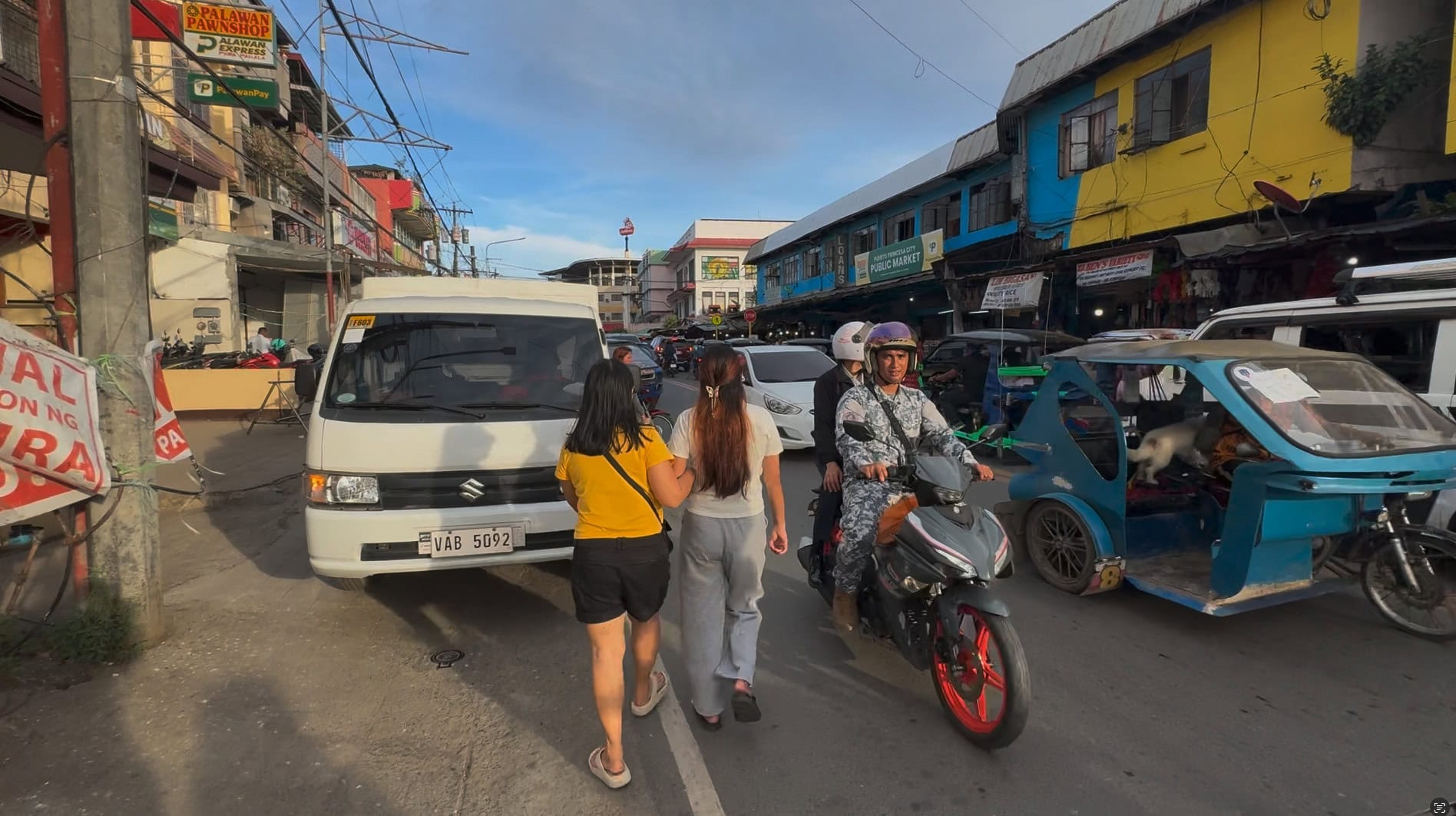
There are parts of the Philippines that tourists generally don’t visit, particularly areas of Mindanao where there are ongoing security and political issues. Personally, I wouldn’t travel to those areas, and it’s worth checking current travel advisories before your trip.
A few basic precautions go a long way:
- Use Grab in larger cities when possible
- Keep valuables secure in crowded places
- Agree on taxi and tricycle fares beforehand or use the meter
- Check weather and ferry conditions before travelling
- Carry travel insurance, especially for diving, hiking and other adventure activities
The Filipino people are one of the reasons I’ve always enjoyed travelling there, and I’ve generally felt safe throughout the country. You don’t need to be paranoid, but normal street smarts and a little extra awareness in crowded cities will go a long way.

Internet & eSIMs
Internet is generally pretty good in the Philippines, although hotel Wi-Fi can be hit or miss. I’ve stayed in places where it worked perfectly and others where I had to move to another part of the hotel just to get a decent signal.
I use an eSIM now because it’s easy to set up for however long I’m travelling. I’ve had good luck with Airalo and find it pretty affordable. Just make sure it’s installed and actually working properly. I once thought mine was set up correctly when it wasn’t and came home to a pretty unpleasant phone bill.
A few things I always do:
- Download offline maps
- Screenshot hotel addresses, tickets and important bookings
- Keep a business card from my hotel in my wallet
That hotel business card is especially useful. If your phone dies or you lose service, you can still show a taxi or tricycle driver exactly where you need to go.
Money in the Philippines
The Philippines is still very much a cash society. You can pay by credit card at some hotels and larger businesses, but even fairly expensive things like a five day hotel stay or a week of scuba diving may need to be paid in cash.
I often book hotels online with a credit card before the trip simply so I’m not burning through my cash once I’m there. ATMs are pretty easy to find in cities and tourist areas, but if you’re heading somewhere remote, take more cash than you think you’ll need.
A few things I’ve learned:
- Keep some cash in your wallet and the rest somewhere separate
- Bring a backup credit card for emergencies
- Stock up on pesos before heading somewhere remote
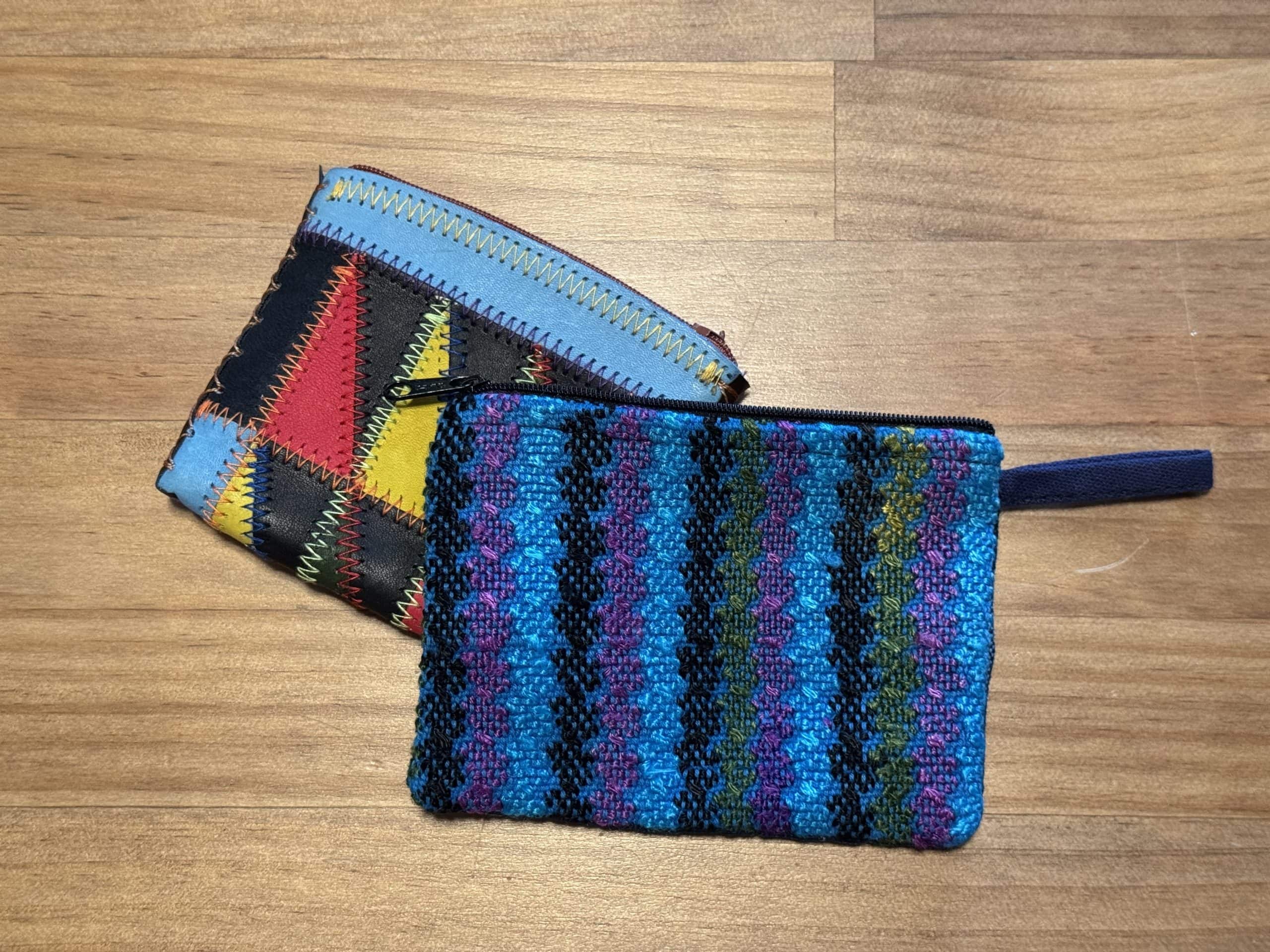
- Bring a small coin purse. You’ll end up with a surprising number of coins
Accommodation in the Philippines
You’ll find pretty much every type of accommodation in the Philippines. Hostels can start around $10 USD a night, while $30 to $50 can get you a decent hotel in many places. If you want something more luxurious, there are some incredible resorts and even private islands.
Standards can vary, especially at the cheaper end. I’ve come across cockroaches in lower end hotels in Manila, and small bugs living in wooden bed frames can be a problem too. I’ve had a few stays where I woke up covered in bites. Hot water isn’t always guaranteed either, although when it’s that hot outside, a cold shower really isn’t that bad.
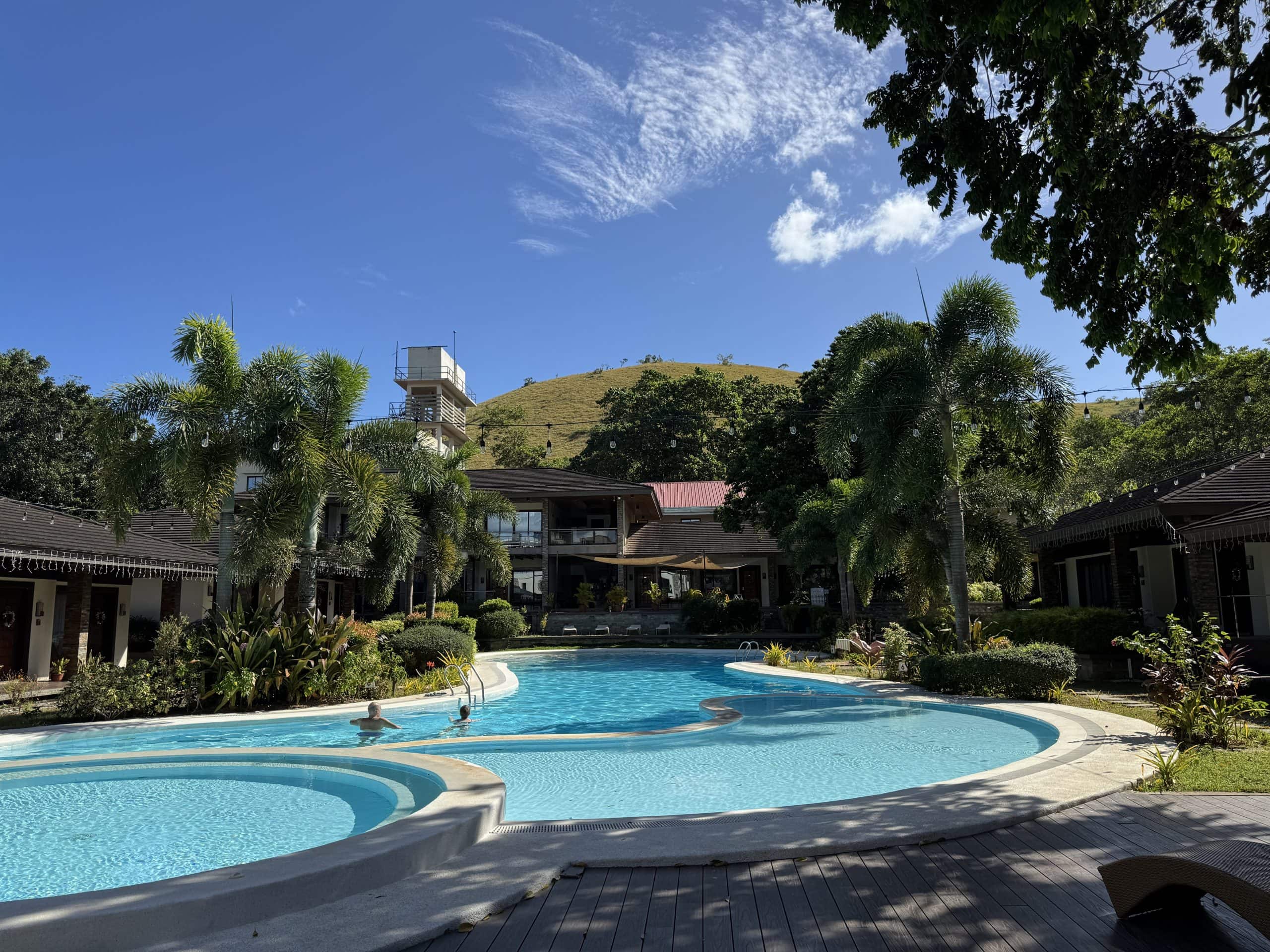
If you’re scuba diving, have a look at dive resorts. You can often get a better deal on your room when you’re also diving with them.
I usually use Booking.com to compare hotels and guesthouses before I go, especially when I’m moving between several islands.
Food
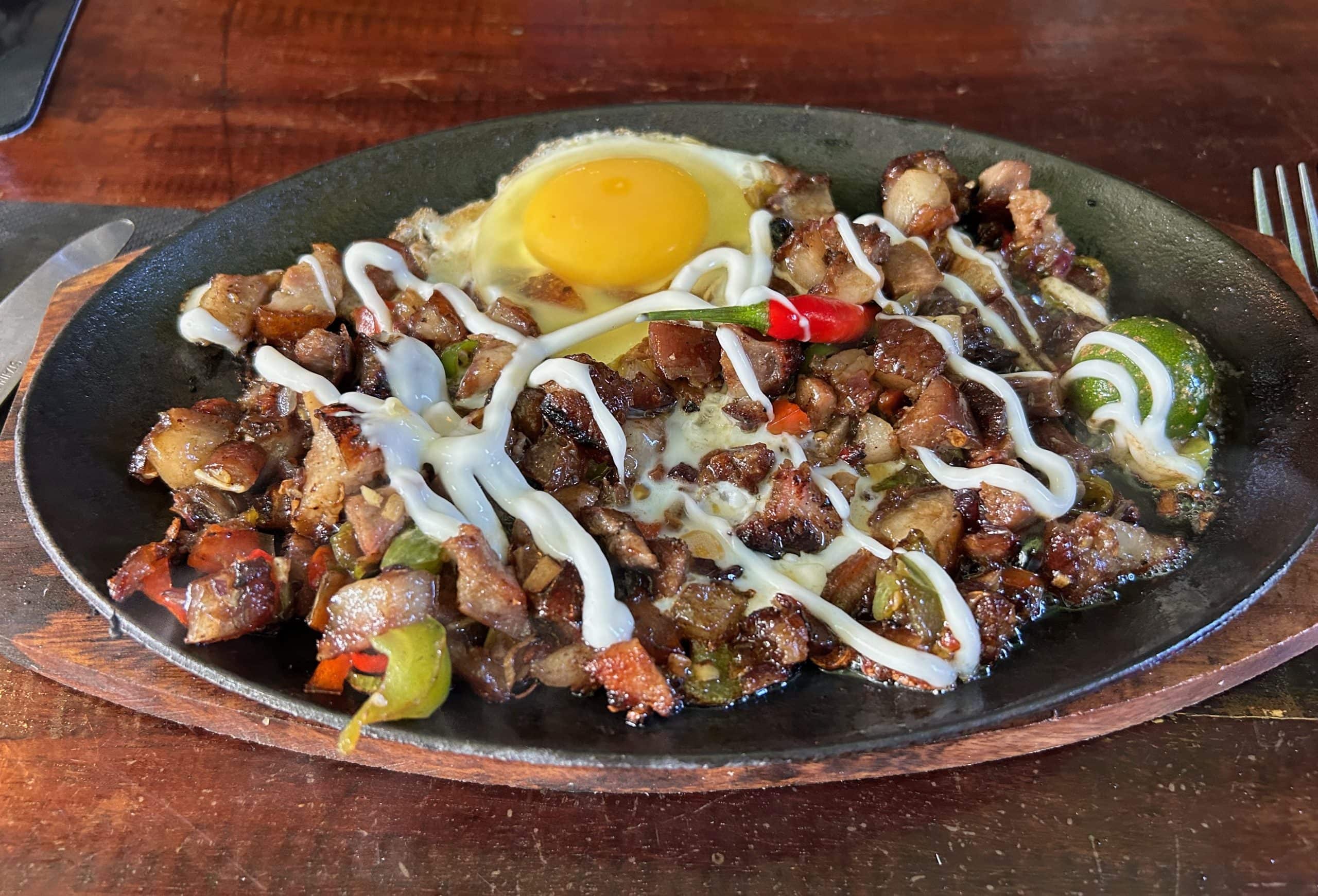
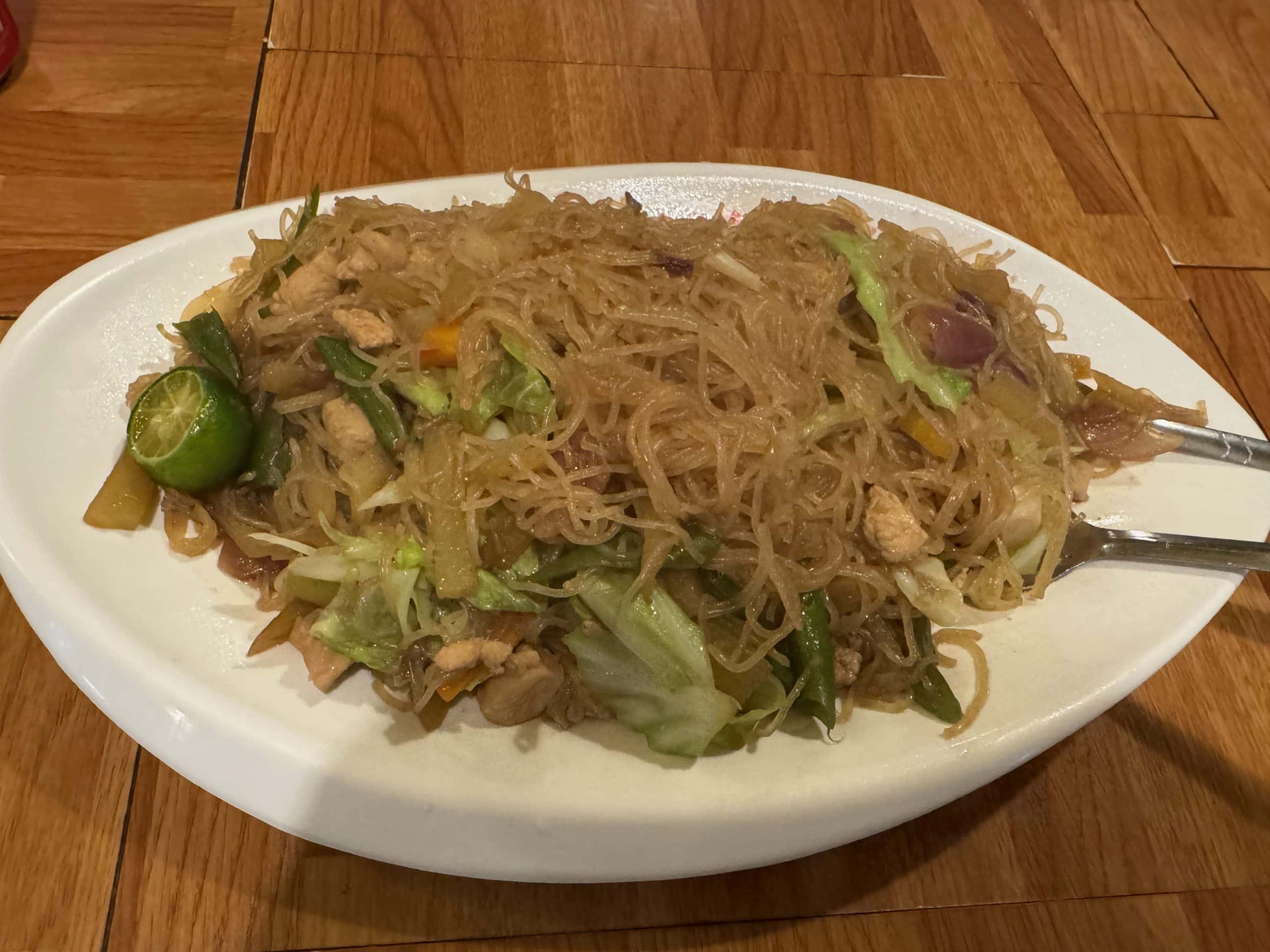
Filipino food might not get the same attention as Thai or Vietnamese food, but there are some really good dishes. Expect lots of pork, rice, seafood and tropical fruit.
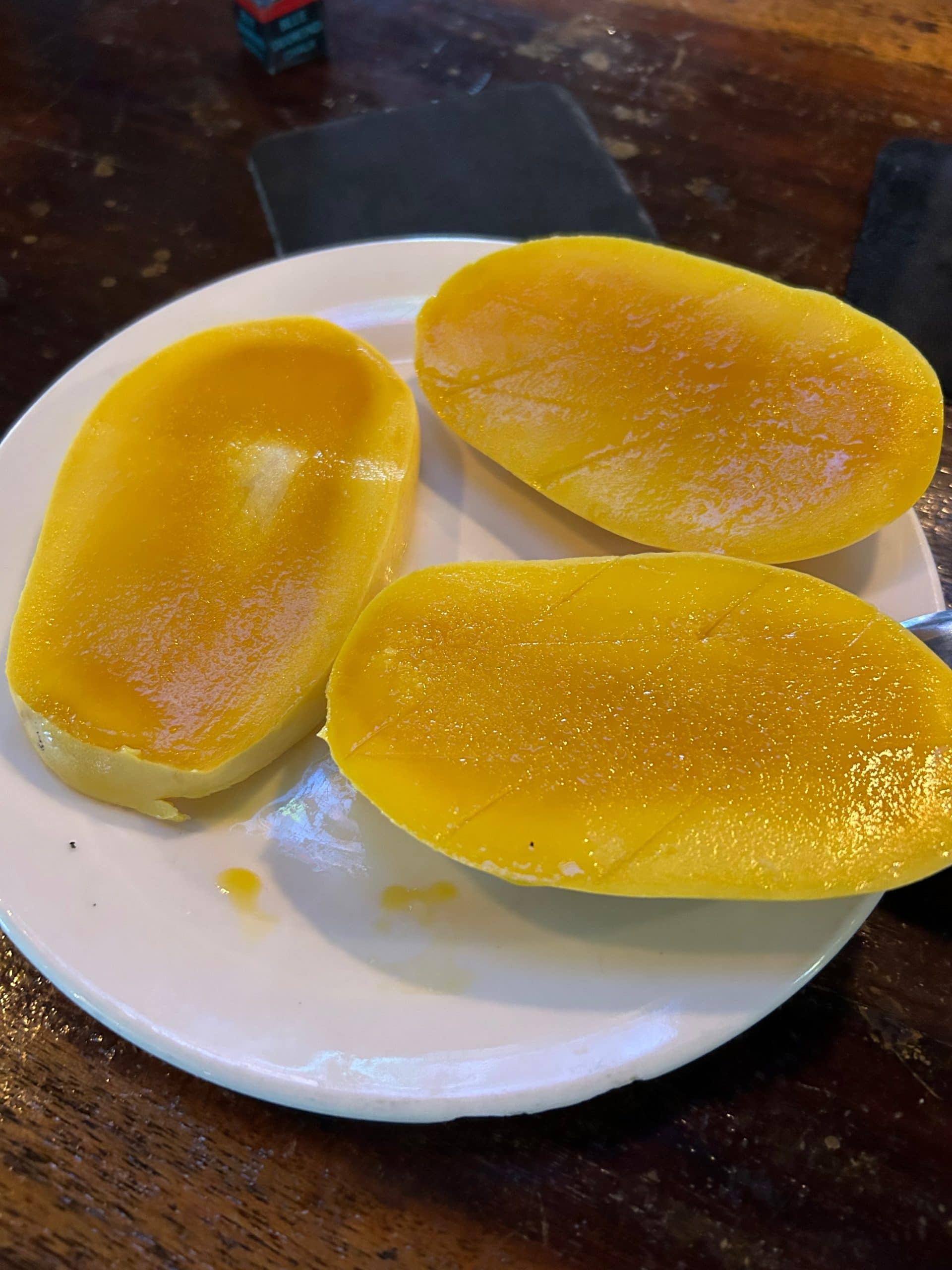
A few of my favourites are pancit bihon, which reminds me a little of pad Thai, along with lechon, adobo and sisig. The mangoes are some of the best in the world, and you’ll often see street vendors selling fresh mango cut up in a bag, which is hard to beat.
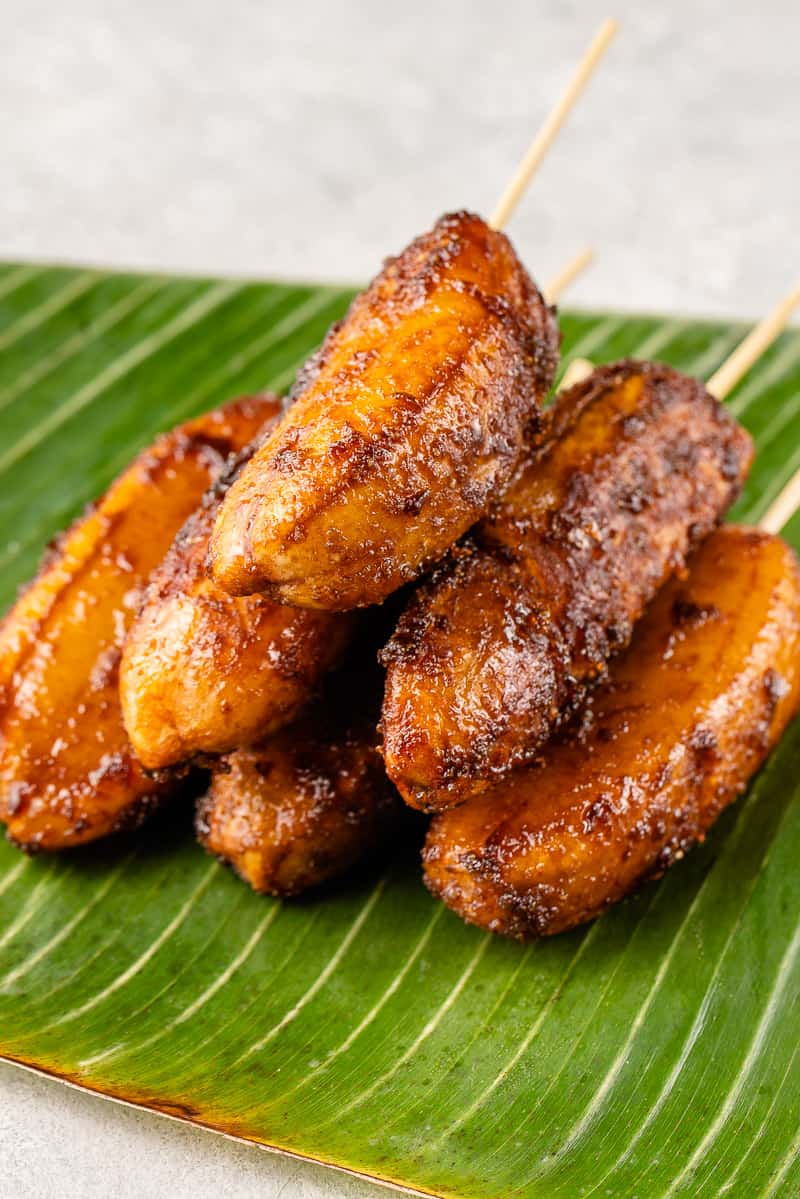
My absolute favourite is banana cue. It’s banana deep fried in caramelized brown sugar and served on a bamboo skewer. It’s simple, cheap and ridiculously good. If you see it, try it.
Filipinos also seem to love fast food, and chains are everywhere. You’ll see McDonald’s, Pizza Hut and plenty of local chains, so finding something familiar is never difficult. Carbonara also seems to be on menus everywhere, with almost every restaurant having its own version.

There is street and market food, although it isn’t quite the same street food scene you get in Thailand. I tend to be a little cautious with it after having a few bad experiences myself.
Common Mistakes When Visiting the Philippines
The Philippines is pretty easy to travel once you figure out how things work, but there are a few mistakes that can make your trip a lot more frustrating than it needs to be.
- Assuming you have to fly into Manila. Depending on where you’re going, Cebu, Clark or even Bohol can make a lot more sense and save you a ton of travel time.
- Underestimating Manila traffic. Traffic can be epic. Give yourself plenty of extra time, especially when going to the airport.
- Getting ripped off on transportation. Around Manila and the airport, use official/public taxis when possible. With taxis, make sure they use the meter or agree on the fare before you get in.
- Assuming short distance means short travel time. It doesn’t. Getting around the Philippines can be surprisingly slow, especially when islands, ferries and mountain roads are involved.
- Not carrying enough cash. The Philippines is still very cash heavy, and cards aren’t accepted everywhere.
- Paying for eTravel. The official Philippine government eTravel registration is free. There are third-party sites that make it look like you need to pay.
- Expecting reliable internet everywhere. It’s generally fine, but hotel Wi-Fi and mobile coverage can be hit or miss, especially in more remote areas.
- Underestimating the noise. Roosters, motorcycles, dogs and karaoke can start surprisingly early and continue surprisingly late. Earplugs aren’t a bad idea.
- Forgetting about motion sickness. Some ferry crossings can get rough. If you’re prone to seasickness, bring medication rather than trying to find it once you’re already on the boat.
Most of these aren’t major problems. They’re just little things that are much easier to deal with when you know about them before you arrive.
FAQs
Is the Philippines safe for tourists?
Generally, yes. I’ve travelled extensively around the country without any major problems. Petty theft and scams happen, while some areas of Mindanao have more serious security concerns.
How many days do you need in the Philippines?
I’d aim for at least 10 to 14 days. Getting between islands takes time, so trying to squeeze too many destinations into a short trip usually means spending too much of it travelling.
Is the Philippines expensive to visit?
Compared with Canada, the US or Europe, it’s very affordable. Hotels, food and tours can be surprisingly cheap, although flights and moving between islands can add up.
Final Thoughts on Visiting the Philippines
I’ve been visiting the Philippines since 2007, and it’s one of the few places I could genuinely see myself living or retiring someday. The people are incredibly friendly, it’s affordable, the natural scenery is outstanding and you’ll find some of the best beaches and scuba diving in the world.
After almost 20 years of coming back, I still feel like I’ve only scratched the surface. If you’re thinking about visiting, go. Just don’t try to see it all in one trip. You’ll probably want to come back anyway.