
Best Scuba Diving Insurance for Travellers in 2026

Who this is for
If you’re planning dive trips from easy reef dives to multi day liveaboards, you’ll want more than a standard travel policy. Scuba diving has unique risks and costs, especially when it comes to chambers, evacuations, and trip interruptions. This guide breaks down the top insurance choices for divers, what they really cover, and how to avoid common pitfalls.
What does scuba diving insurance actually cover?
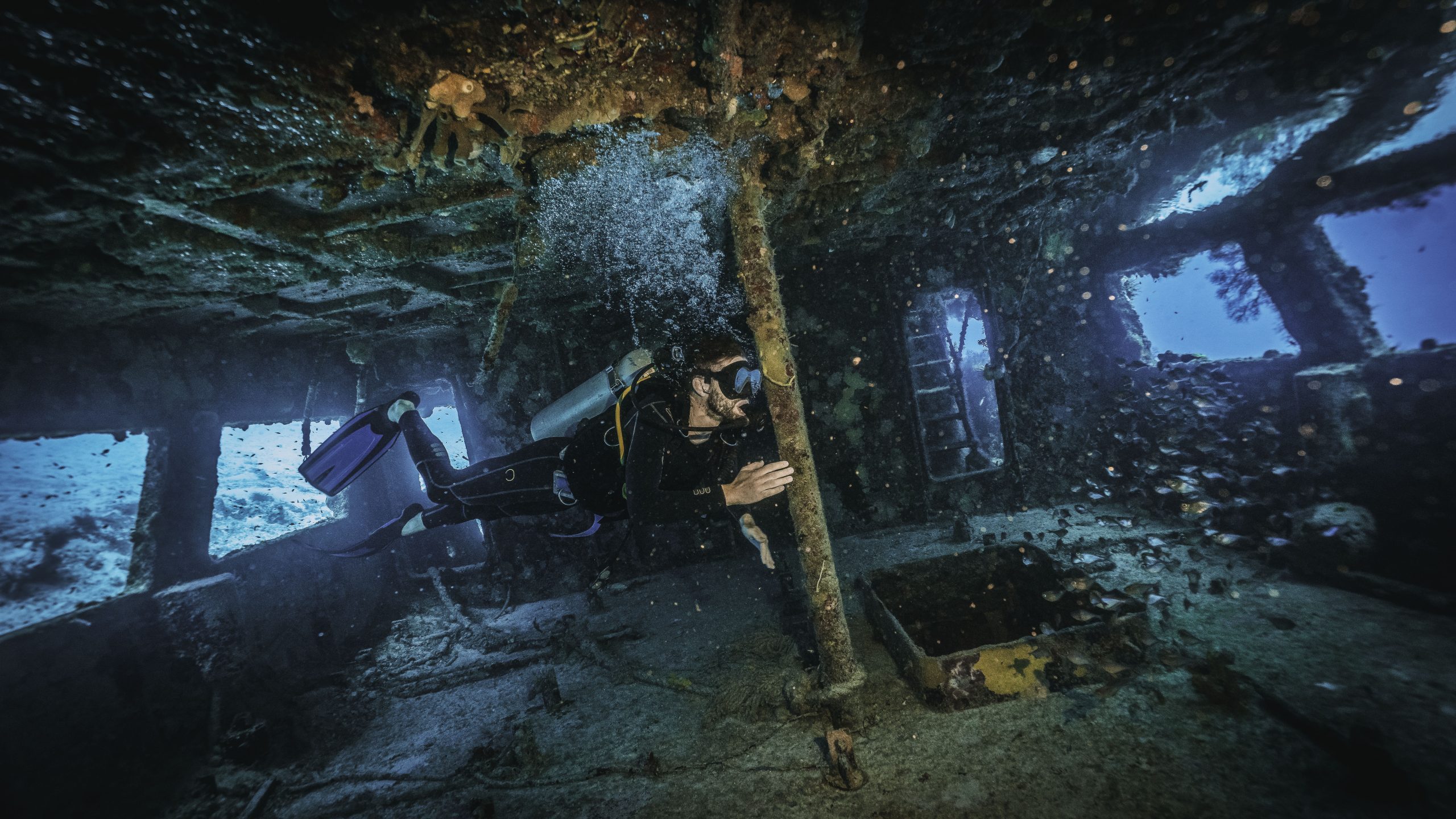
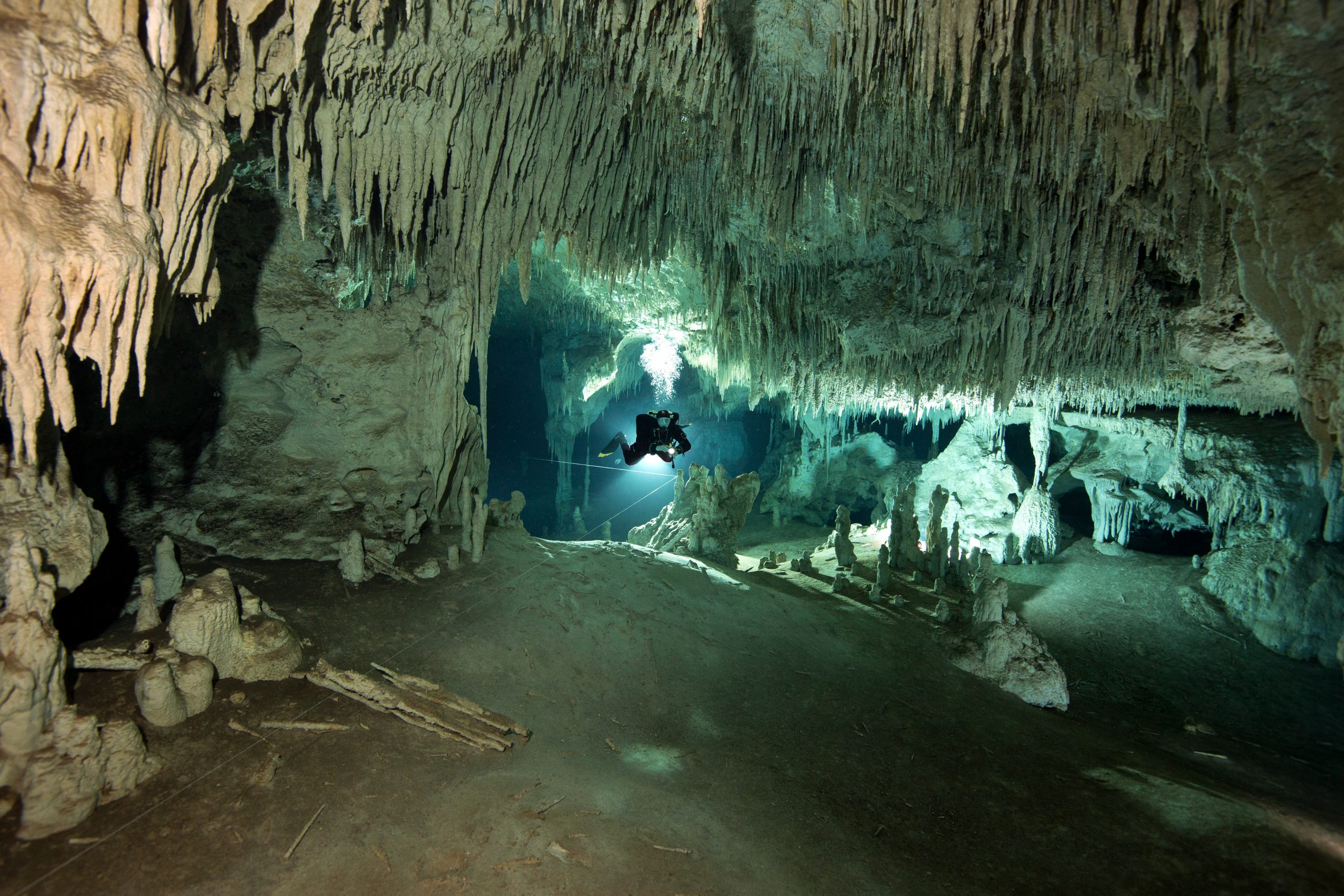
Many travel insurance policies list “scuba diving” under their activity coverage, but the details matter. Typical limits include maximum depths, certification requirements, and whether you must be diving with a guide. Some exclude wreck or cave dives unless explicitly stated. That’s why many divers combine a dive accident policy with a general travel plan.
- Common restrictions
- Depth caps (often 30–50 metres).
- Requirement to dive within your certification or under instructor supervision.
- Exclusions for cave, ice, or wreck penetration unless noted.
The two-policy strategy
The simplest approach is combining two types of coverage:
- Dive-accident insurance for chambers and evacuation.
- General travel insurance for cancellations, baggage, and non-dive medical issues.
This gives you peace of mind that you’re covered for both in water incidents and trip logistics.
Top choices for scuba travellers
DAN — Dive Accident Insurance
DAN is the gold standard for dive related accidents. It focuses on hyperbaric treatment, evacuation, and medical bills specific to diving. It’s not a full travel policy, but when paired with one, you’re well protected.
- Best for: dedicated dive accident and chamber coverage.
- Consider pairing with a travel insurance plan for trip cancellations and baggage.
DiveAssure — Dive-Focused Travel + Accident Plans
DiveAssure offers both accident insurance and dive aware travel coverage. Their policies can include trip cancellation, interruption, lost diving days, and gear, things general travel insurance often overlooks.
- Best for: liveaboards, expensive itineraries, and divers travelling with gear.
- Unique coverage for lost diving days due to weather or medical reasons.
World Nomads — Clear Depth Coverage
World Nomads is a popular option for travellers who want both general travel insurance and explicit dive coverage. Their policies list depth limits and supported activities up front, making it easier to confirm what’s covered.
- Best for: recreational divers who want simple, clearly stated coverage.
- Standard plans usually cover diving to common recreational depths; Explorer adds more adventure sports.
World Nomads provides travel insurance for travelers in over 100 countries. As an affiliate, we receive a fee when you get a quote from World Nomads using this link. We do not represent World Nomads. This is information only and not a recommendation to buy travel insurance.
SafetyWing — Flexible for Long-Term Travellers
SafetyWing is designed for digital nomads and long term travellers. You can add an Adventure Sports rider that includes scuba diving under certain conditions. It’s flexible and can be kept active month after month.
- Best for: long term travellers mixing backpacking with occasional dives.
- Works well if you don’t want to reset policies between destinations.
For beginner divers and long stay travellers, Moalboal in the Philippines is a popular choice — see my Moalboal diving guide for details.
Common exclusions to watch for
- Diving deeper than the policy allows.
- Diving outside your certification level.
- Unguided dives where supervision is required.
- Technical, cave, or wreck penetration without add-ons.
- Alcohol or drug related incidents.
Quick comparison
- Best for chamber and evacuation: DAN
- Best for liveaboards and lost diving days: DiveAssure
- Best for recreational divers: World Nomads
- Best for long-term travel: SafetyWing
How to choose the best scuba diving insurance
- Decide your maximum planned depth and dive types.
- Consider if you need cancellation, gear, or lost dive day coverage.
- Add dive accident insurance if your travel policy isn’t strong on chambers or evacuation.
| Provider | Best For | Quick Link |
|---|---|---|
| DAN | Chamber & evacuation | Compare Plans → |
| DiveAssure | Liveaboards, lost diving days | Check Prices → |
| World Nomads | Recreational divers | View Options → |
| SafetyWing | Long-term & digital nomads | Get Covered → |
FAQs
Do I need dive specific insurance?
Yes, because many travel plans cap evacuation and chamber costs too low for real dive accidents.
How deep am I covered?
It depends on the plan. Most recreational focused policies set limits around 30–50 metres.
Can I dive without certification?
Some policies allow coverage if you’re training or diving with an instructor, but most require proof of certification.
Are lost diving days covered?
Usually only by dive specific policies like DiveAssure, not by generalist plans.
What I’ve learned from experience
After years of dive travel, I use DAN for accident coverage and combine it with a travel policy that clearly lists scuba diving as covered. For longer trips, I sometimes add SafetyWing for the flexibility, but I keep DAN active year round for peace of mind.
In Summary
Scuba diving insurance should fit how you dive, where you are going, and the depths or activities you plan. A simple two-policy setup with dive accident cover plus a general travel plan gives most travellers strong medical and trip protection. Always confirm depth limits, exclusions, and any add-ons such as lost diving days or gear cover before you book.
Download your free Dive Trip Insurance Checklist (PDF)
Your quick, one-page dive companion:
• Confirm depth limits & covered dive types
• Ensure chamber & medical evacuation support
• Check trip cancellation & lost dive-day protection
• Verify gear coverage & policy expiration