
How Many Days In Vancouver? With Itinerary (By A Pro!)2026
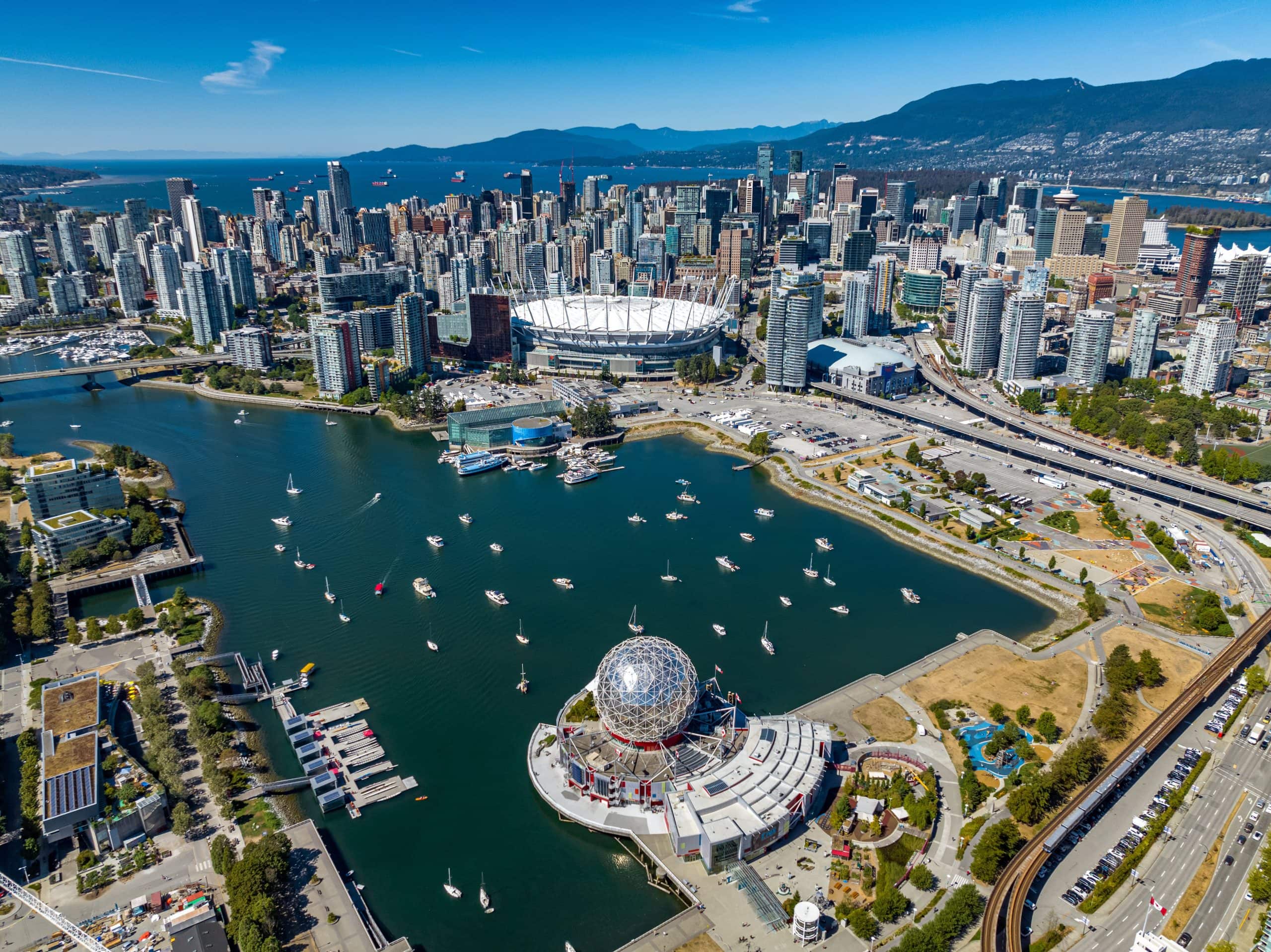
Planning a trip and wondering how many days you need in Vancouver? Few cities in the world combine dramatic natural beauty with an energetic urban culture quite like this one, where the Pacific Ocean, towering mountains, and lush rainforest meet beside a vibrant city.
I first visited Vancouver in 2006 while attending university and have been coming back almost every other year since. I still remember being completely in awe the first time I arrived. The smell of the ocean in the air, the explosion of vibrant colours of the rainforest vegetation, and the snowy mountains rising behind the skyline made it feel unlike anywhere else in Canada. Add in the city’s diverse neighbourhoods and cultures, and Vancouver quickly becomes a place that feels exciting to explore.
In this guide I’ll break down exactly how many days you should spend in Vancouver, what you can realistically see in different timeframes, and the itinerary I recommend to experience the very best of the city.
How Many Days Do You Need In Vancouver?
For most visitors, three days is the ideal amount of time to experience Vancouver. Vancouver proper is surprisingly compact, making it easy to explore many of the city’s highlights without feeling rushed. The downtown core is very walkable, and the SkyTrain rapid transit system makes it easy to move between neighbourhoods.
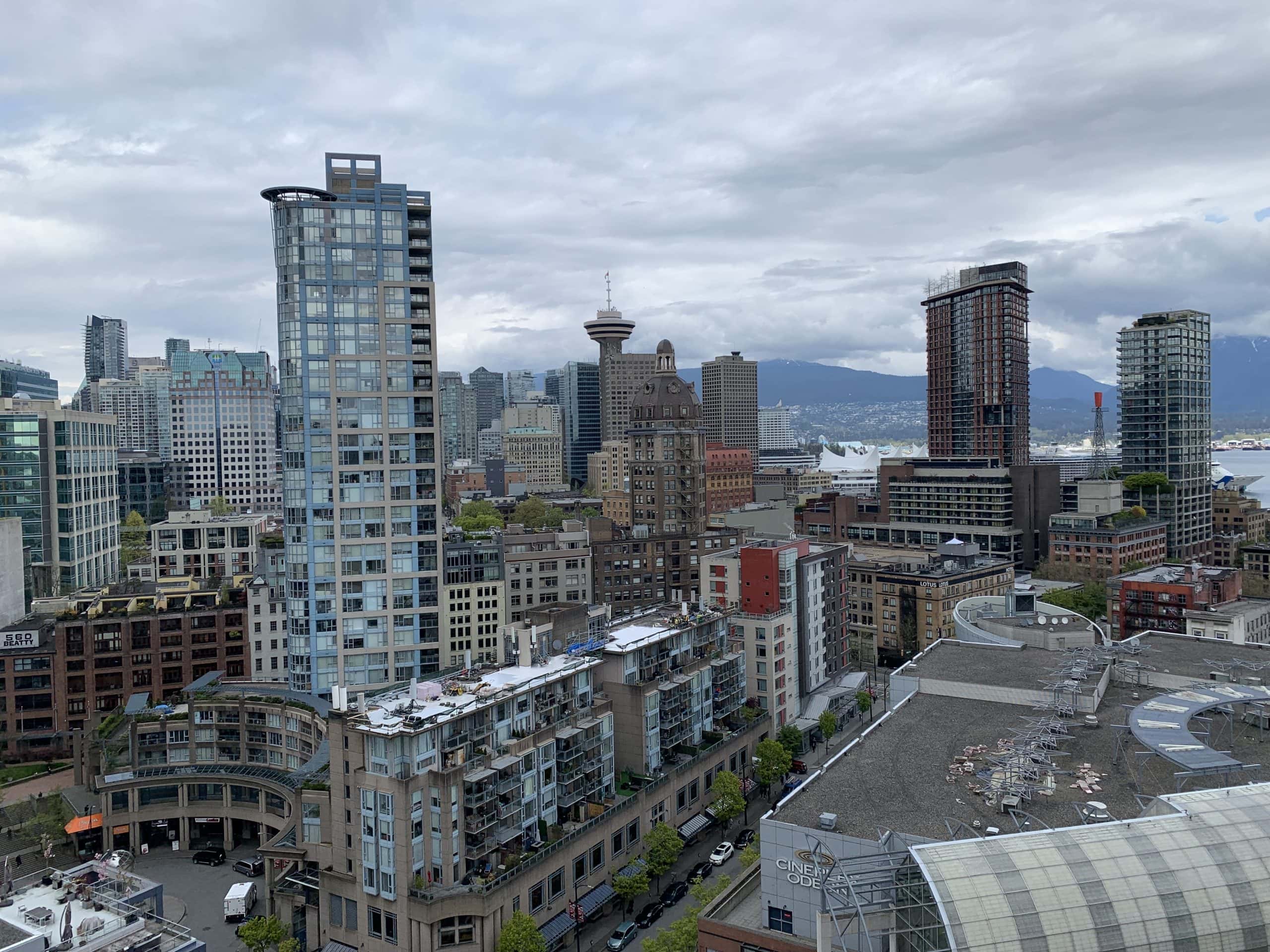
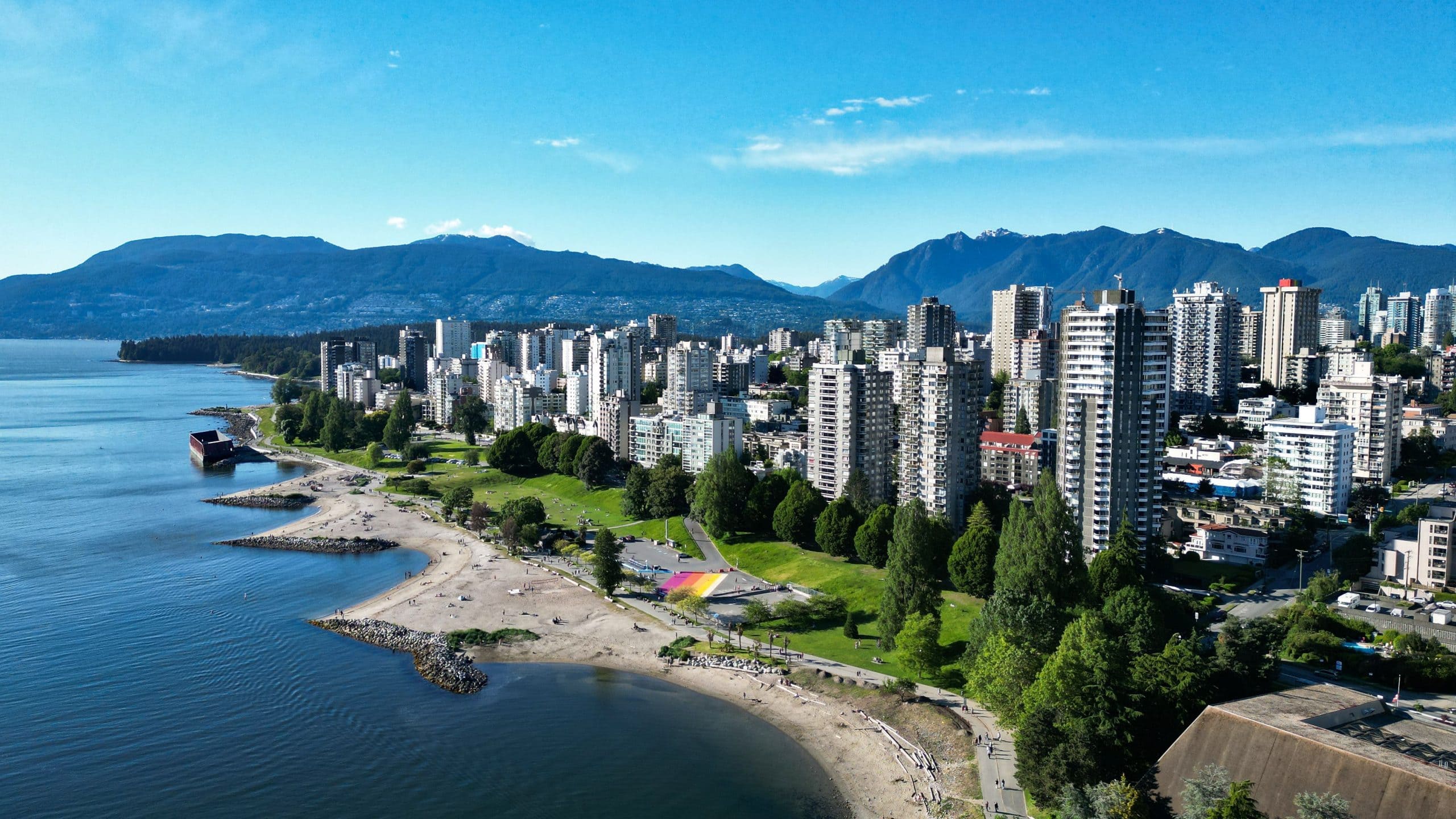
In three days you can visit major sights like Stanley Park, Granville Island, Gastown, and the seawall while also exploring neighbourhoods such as Kitsilano, the West End, or Yaletown. It also gives you time to experience some of the natural beauty that makes Vancouver special, whether that means visiting the beaches, exploring the North Shore rainforest, or taking a drive along the Sea to Sky Highway.
Even shorter visits can still be worthwhile. Vancouver is a major cruise departure point for Alaska, a growing convention city, and a common stopover for travellers connecting through Vancouver International Airport. The SkyTrain connects the airport directly to the city, making it easy to explore during a short layover or a one or two day visit before continuing on to places like Whistler, Vancouver Island, the Canadian Rockies, and beyond.
Below is a quick overview of what you can realistically experience depending on how long you stay.
Is 5 Days Too Much In Vancouver?
No, five days is actually a great amount of time to spend in Vancouver. While three days is enough to see many of the main highlights, a longer stay allows you to explore more of the surrounding areas that make this part of British Columbia so unique.
With five days you can still enjoy the classic Vancouver experiences like Stanley Park, Granville Island, and Gastown, while also adding some of the spectacular North Shore attractions just across the harbour. This might include visiting the Capilano Suspension Bridge, hiking in Lynn Valley, or tackling the famous Grouse Grind.
Extra time also makes it easy to explore other nearby communities. You could visit Richmond for some of the best Asian food in North America and its popular summer night market, or head south to the seaside town of White Rock for a walk along the beach and its famous pier.
Is 7 Days Too Long In Vancouver?
Seven days might be more time than most travellers need for the city itself, but it can be perfect if you want to explore more of the incredible region surrounding Vancouver. The city sits between the Pacific Ocean and the Coast Mountains, which means some of western Canada’s most spectacular scenery is within easy reach.
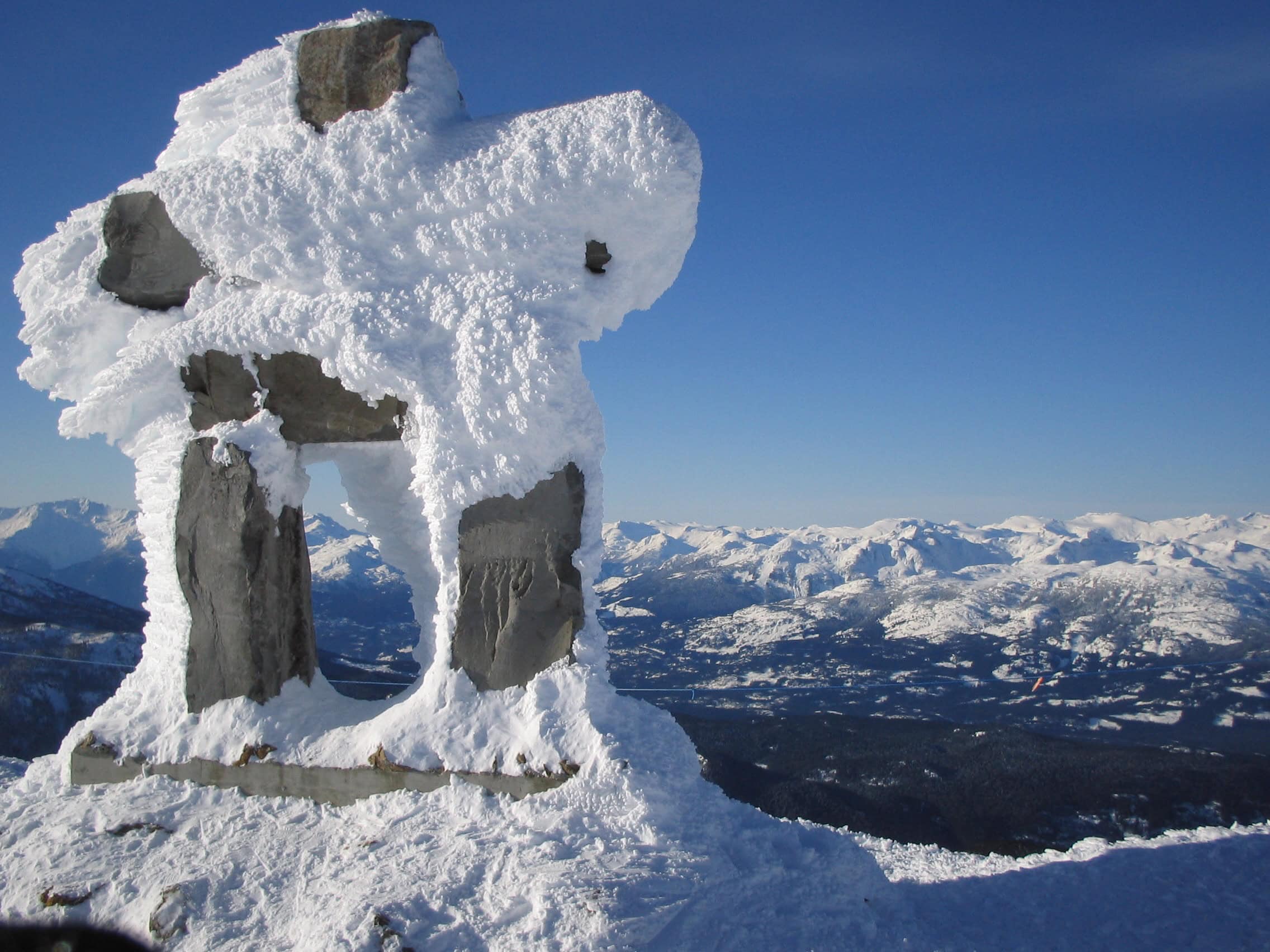
With a full week you could add bigger adventures like a trip to Whistler, whether that’s skiing in the winter or exploring the mountains in the summer. You could also drive the famous Sea to Sky Highway or take the ferry to Vancouver Island to visit Victoria and experience activities like fishing, orca watching, or the famous Butchart Gardens.
Some travellers also use Vancouver as the starting point for a road trip through the Canadian Rockies toward places like Banff and Jasper. If you’re thinking about doing that, I’ve also put together guides to Banff, Kananaskis, and even Calgary.
Vancouver Itinerary: 6 Days
Your first day in Vancouver should focus on the experiences that make the city so special. Few places combine ocean views, rainforest parks, mountain backdrops, and a vibrant cosmopolitan city quite like Vancouver.
This route introduces many of the iconic sights that make visitors fall in love with the city.
Day 1: Stanley Park, Granville Island
Morning: Stanley Park and the Seawall
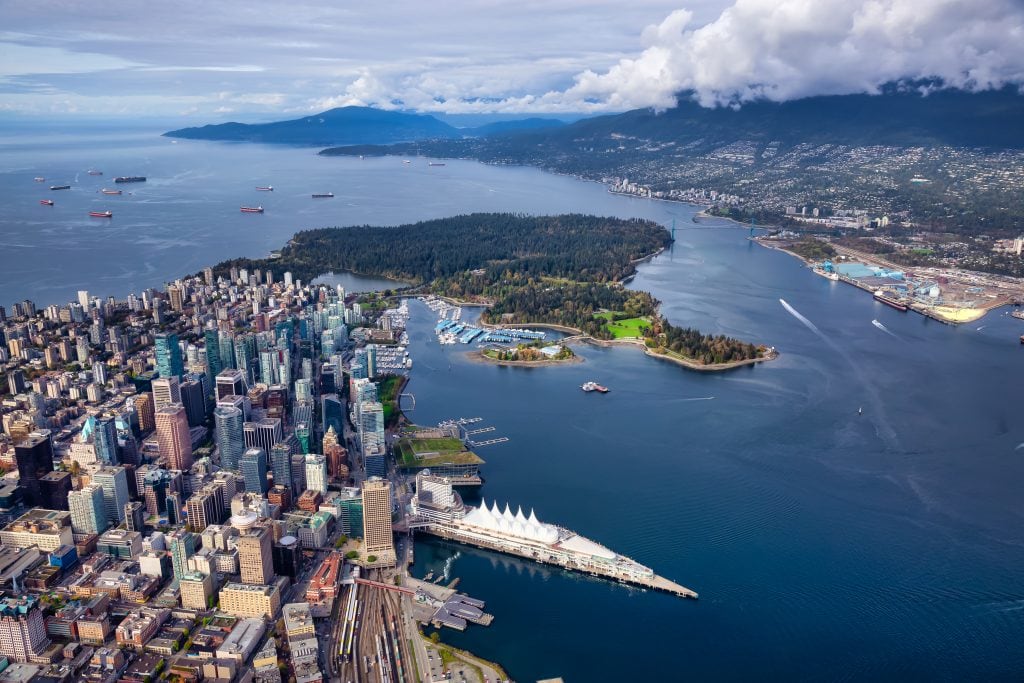
Start your day downtown and walk toward Stanley Park, one of the most famous urban parks in the world. At over 1,000 acres, it’s larger than New York’s Central Park and feels like a coastal rainforest right beside the city.
The park offers incredible ocean views, massive trees, beaches, gardens, and miles of walking and cycling paths.
Things to do in Stanley Park:
• Walk or bike part of the Stanley Park Seawall
• Visit the Brockton Point Totem Poles
• Stop at Prospect Point for views of Lions Gate Bridge
• Relax at one of the park’s beaches or picnic areas
• Visit the Vancouver Aquarium
• Explore forest trails and gardens inside the park
Estimated time: 2 to 3 hours
Afternoon: English Bay and Granville Island
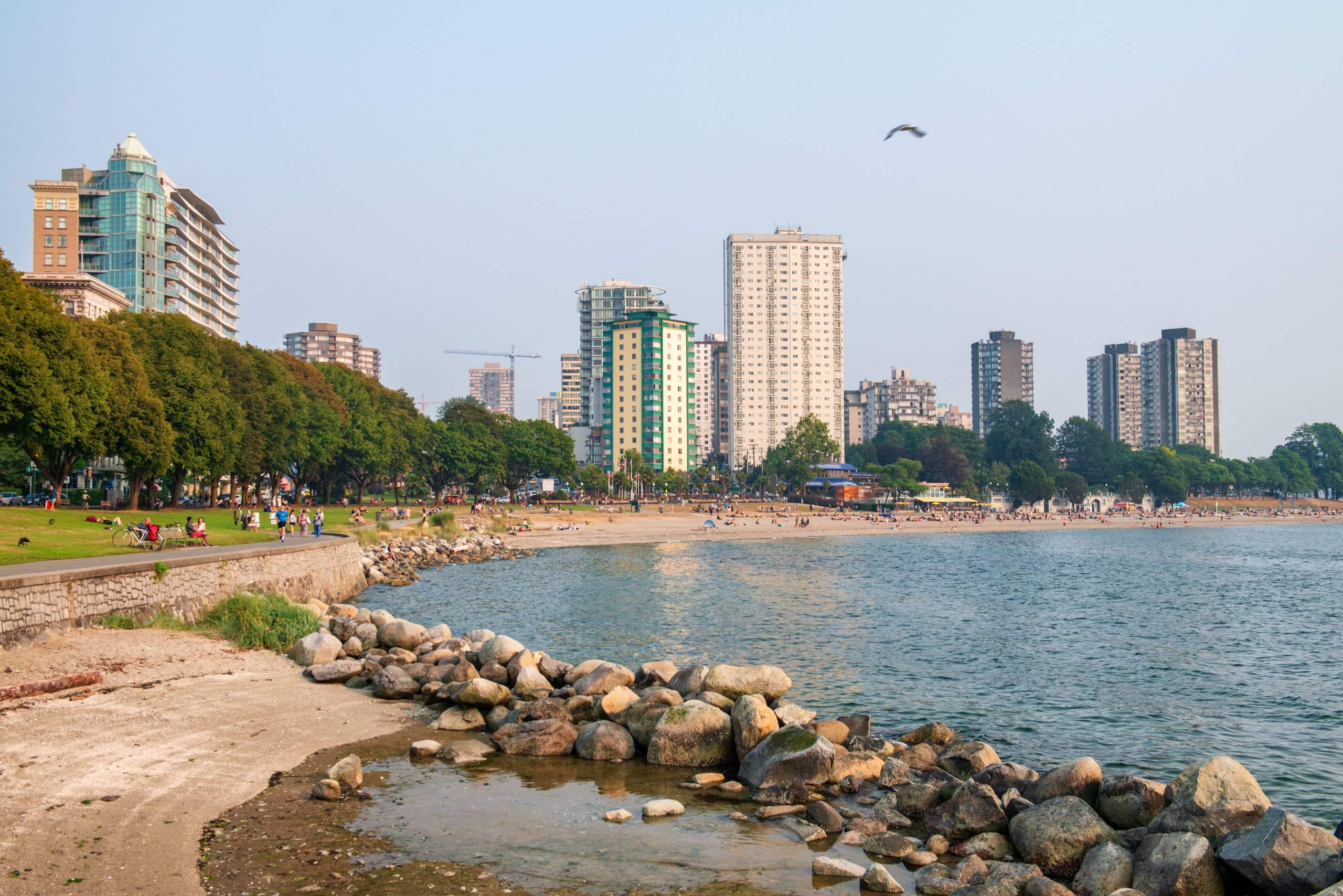
As you leave Stanley Park, stop briefly at English Bay, one of Vancouver’s most famous beaches. It’s a great place to enjoy ocean views, watch sailboats in the harbour, and take in the mountain backdrop before heading across False Creek.
Next visit Granville Island, a lively waterfront district located beneath the Granville Street Bridge. What was once an industrial area is now one of Vancouver’s most popular places for food, art, and local culture.
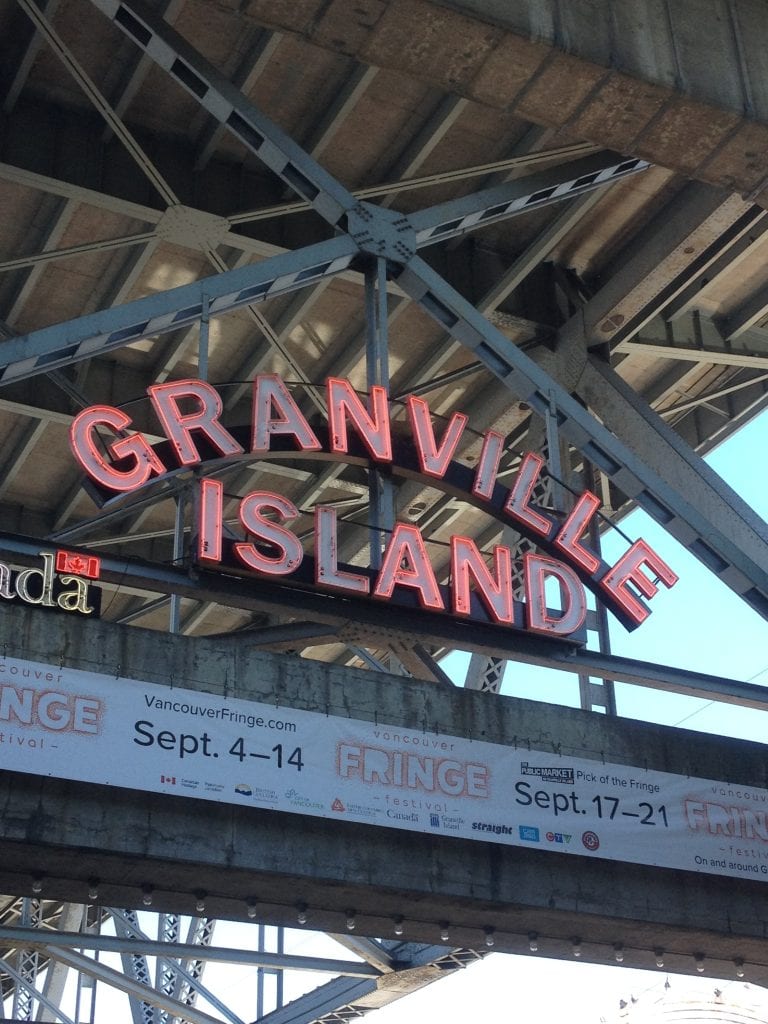
Things to do at Granville Island:
• Explore the Granville Island Public Market, one of the best food markets in Canada
• Try fresh seafood, sushi, baked goods, or local desserts
• Walk along the marina and waterfront boardwalks
• Browse artisan shops and galleries
• Watch street performers around the main plaza
Granville Island is the perfect place to grab lunch while enjoying views of False Creek and the downtown skyline.
Estimated time: 1.5 to 2 hours
Evening: Dinner and Drinks in Gastown
Spend the evening exploring Gastown, one of Vancouver’s most historic neighbourhoods. With its cobblestone streets, old brick buildings, boutique shops, and great restaurants and cocktail bars, I’ve always liked the look and feel of the area because it reminds me a bit of an old European street.
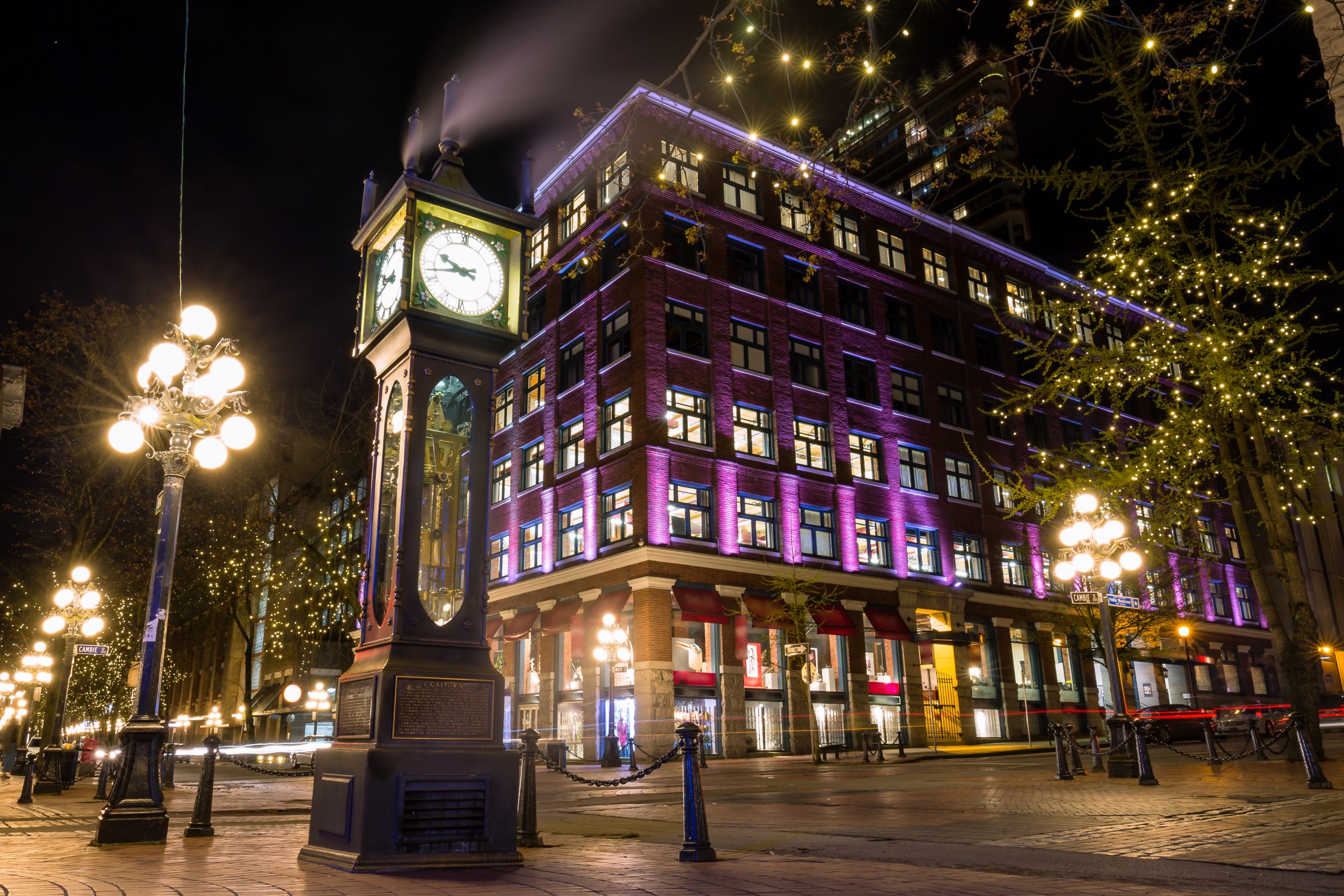
You’ll likely pass the Gastown Steam Clock, which whistles every 15 minutes. It’s a popular photo stop, although not really worth going out of your way to see. If you’re already in the area though, it’s fun to check out.
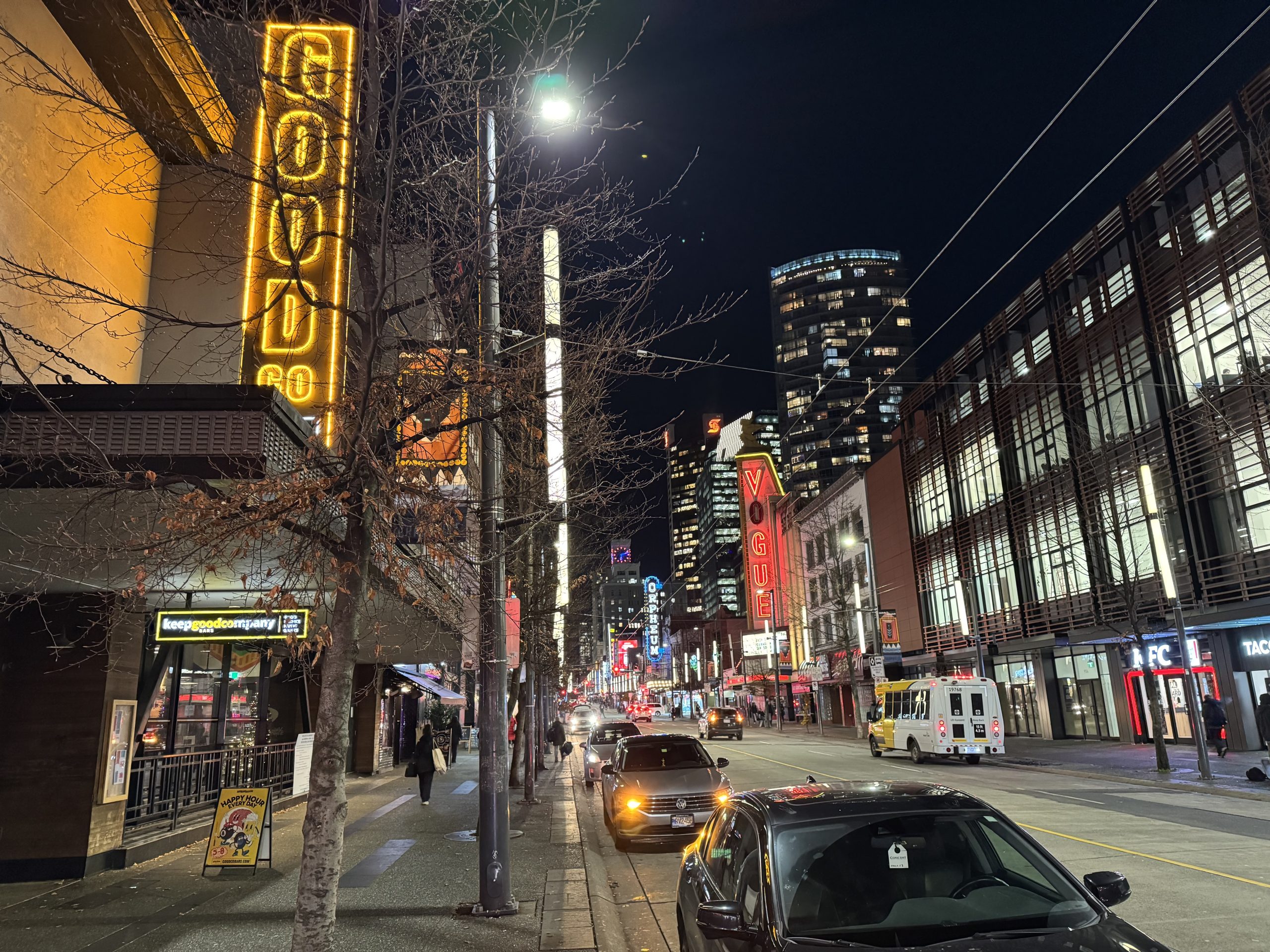
• Go out for drinks along Granville Street, the heart of Vancouver’s nightlife with bars, clubs, and live music venues.
Day 2: North Shore
Day two is a great chance to explore the mountains and rainforest that sit just across the harbour from downtown Vancouver.
Morning: Canada Place, SeaBus, and North Vancouver
Start your morning around Canada Place near Waterfront Station, one of the most scenic areas of downtown Vancouver and the departure point for the SeaBus.
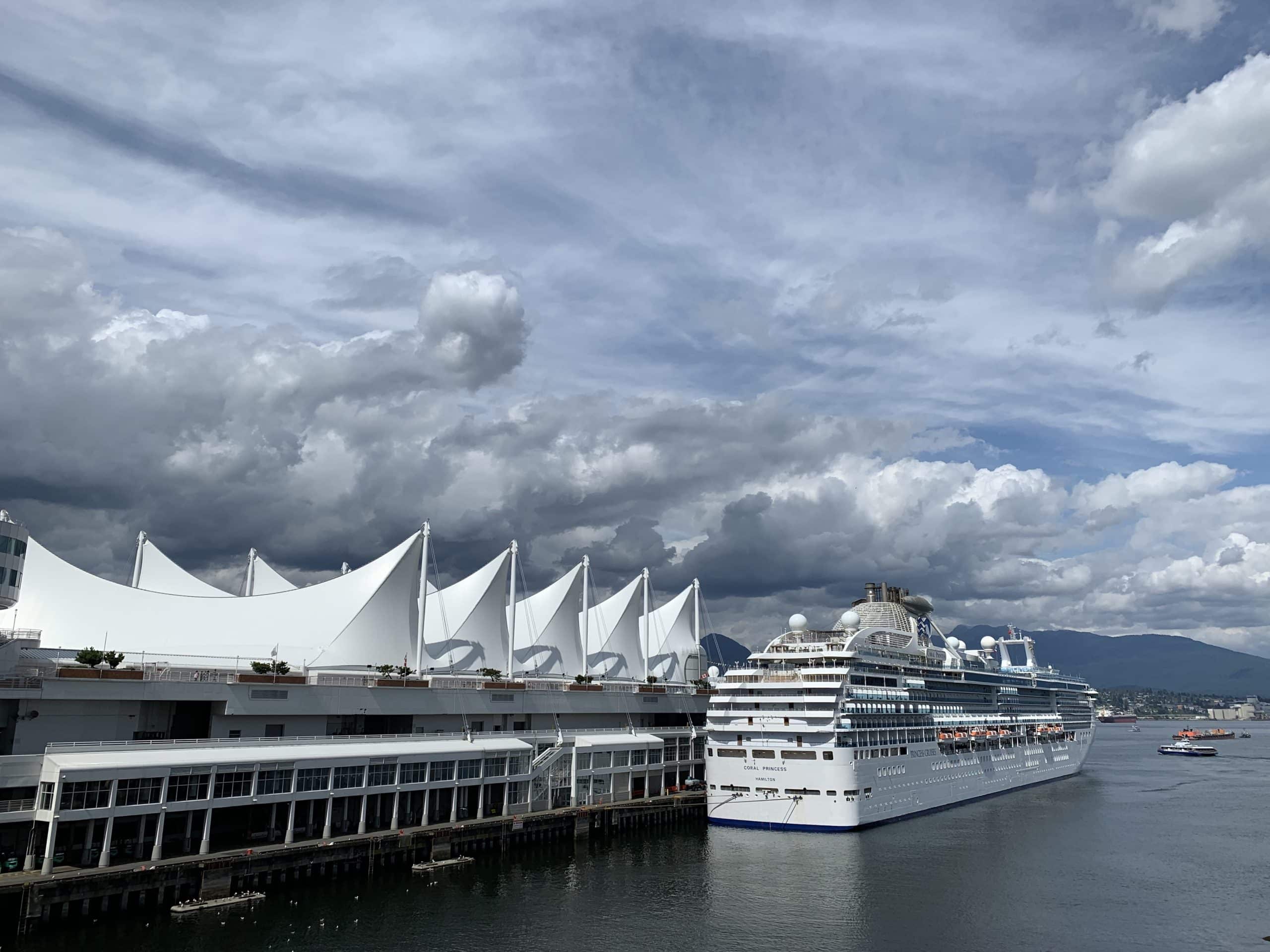
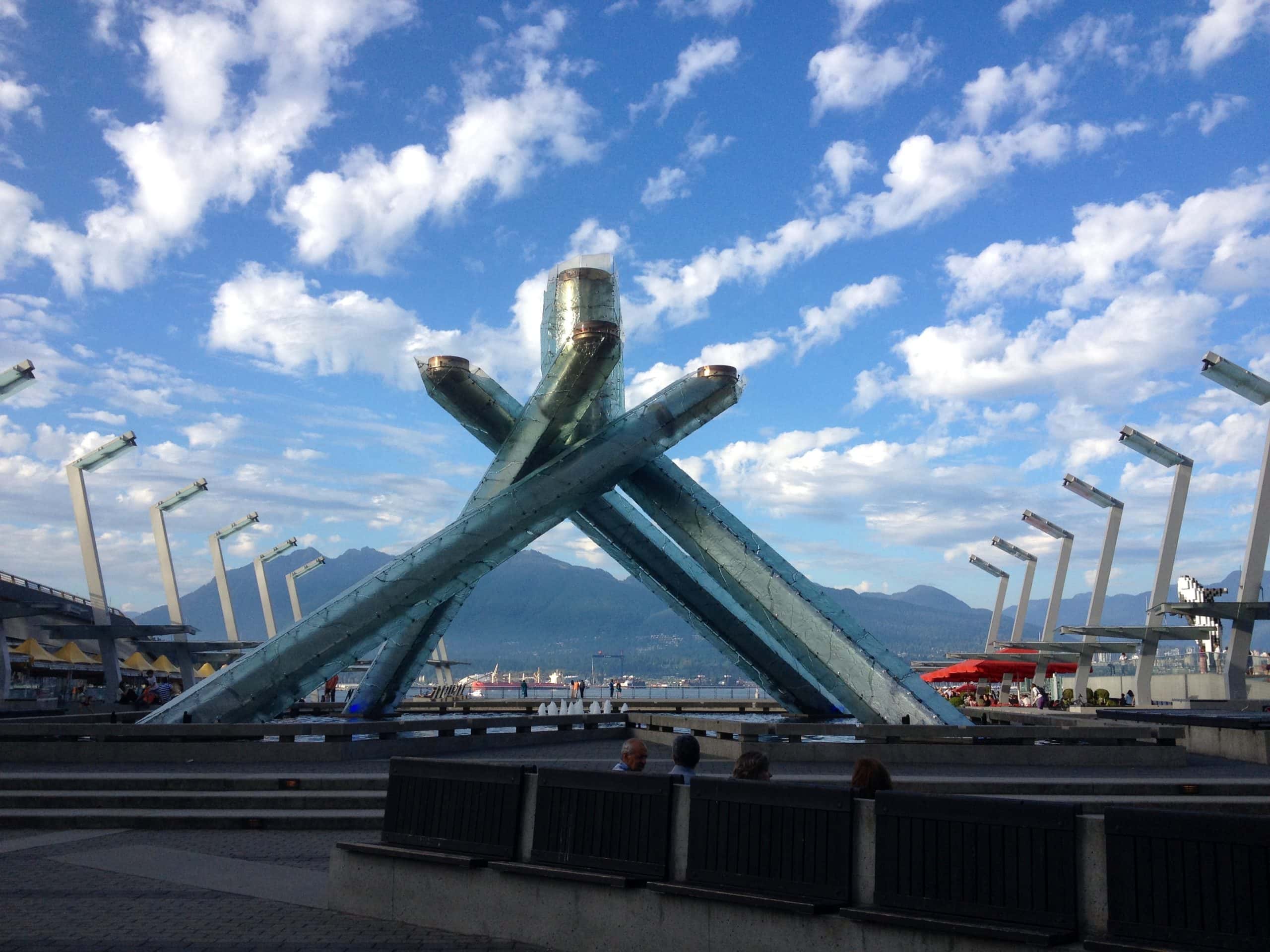
Before heading across the harbour, take a few minutes to explore the waterfront area.
Things to see around Canada Place:
• The Olympic Cauldron from the 2010 Winter Olympics
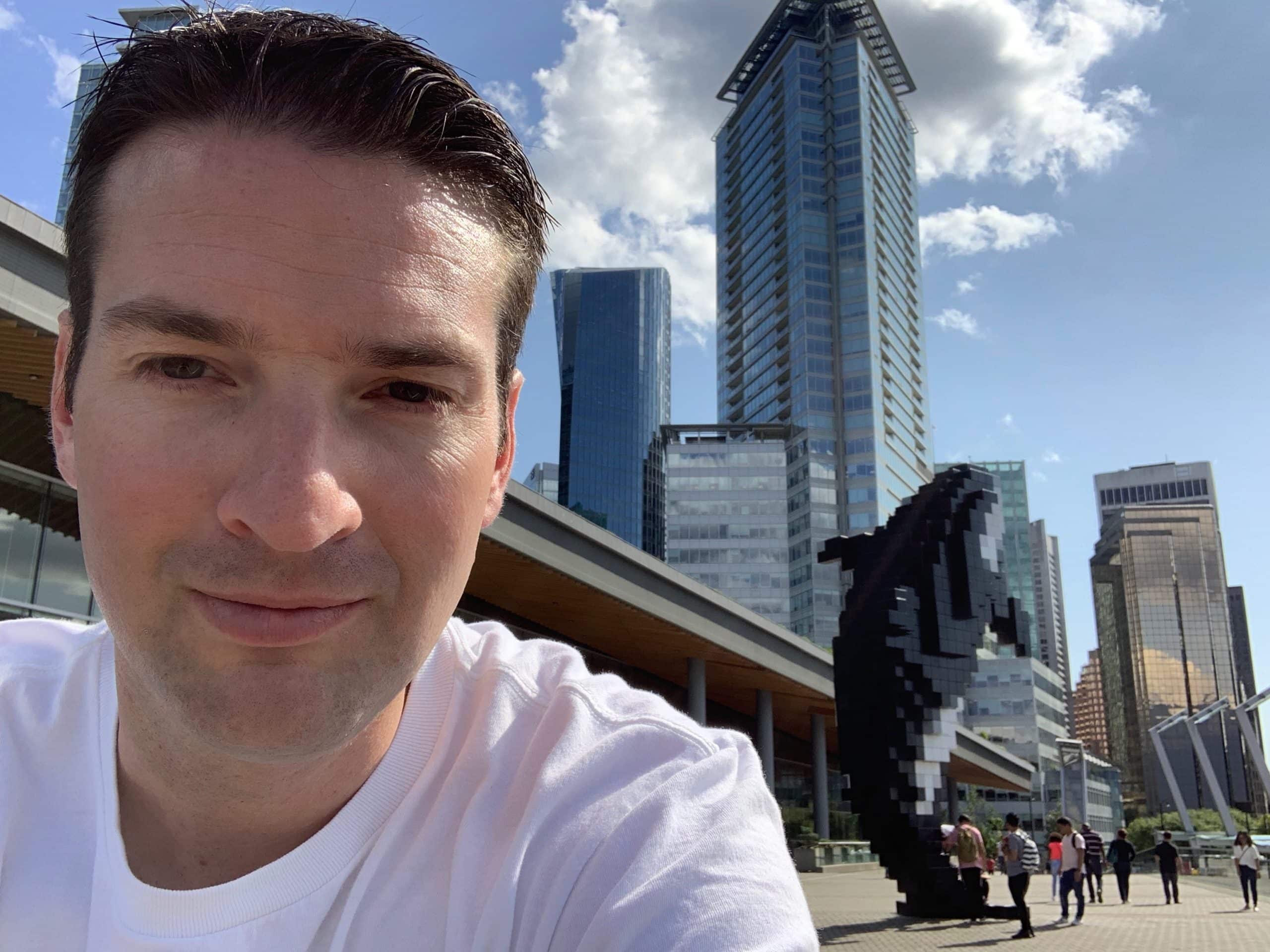
• The Digital Orca sculpture overlooking the harbour
• The large Rain Drop sculpture along the waterfront
• Cruise ships docked at Canada Place
• Seaplanes taking off from Coal Harbour
• Beautiful views of the North Shore Mountains and Burrard Inlet
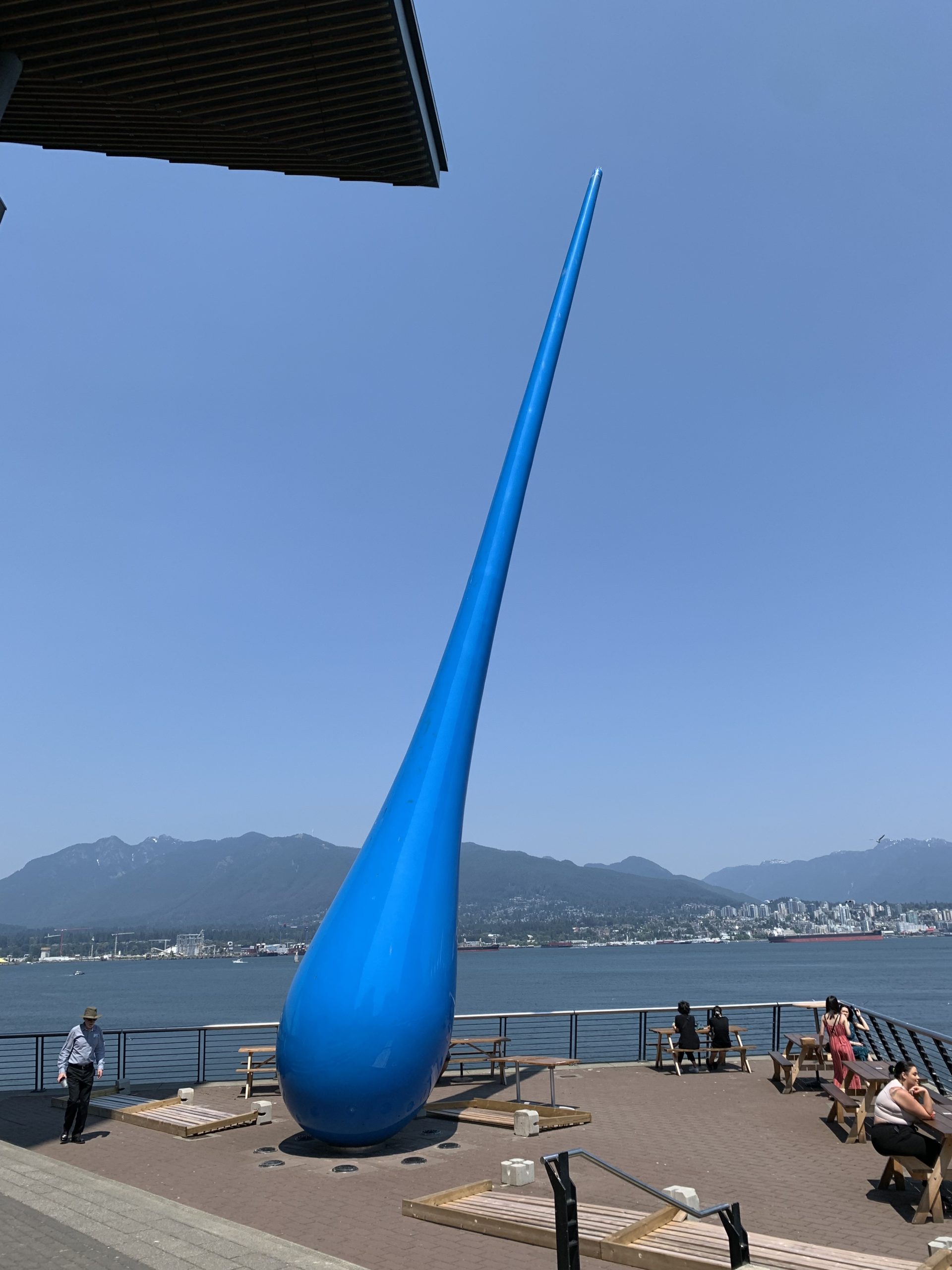
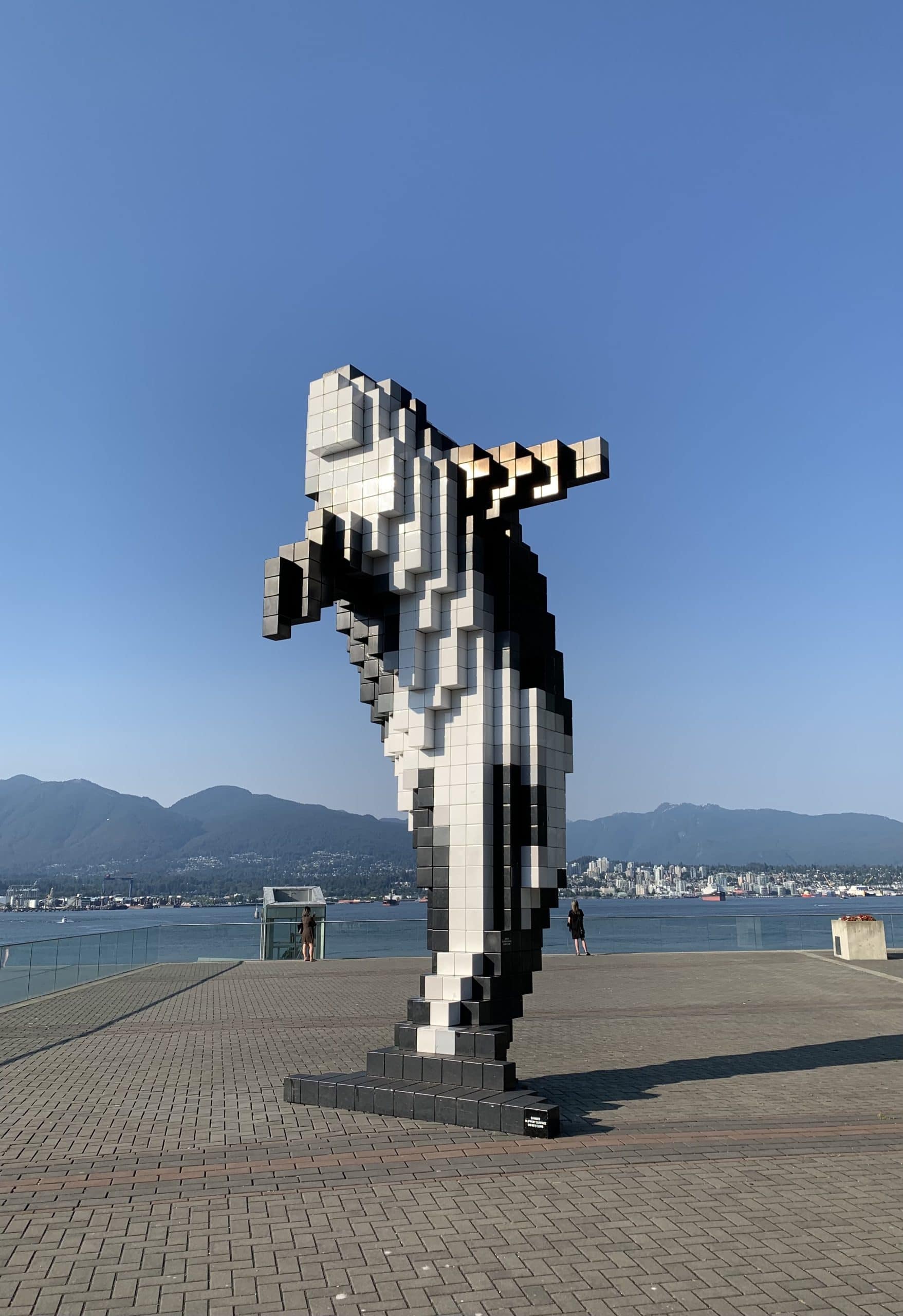
From here board the SeaBus to Lonsdale Quay in North Vancouver. The ride takes about 15 minutes and offers fantastic views of the Vancouver skyline, harbour activity, Lions Gate Bridge, and the mountains rising above the city.
Estimated time: 45 minutes to 1 hour
Late Morning: Lonsdale Quay and the Shipyards District
When you arrive in North Vancouver, take some time to explore the lively Lower Lonsdale waterfront area before heading into the mountains.
Things to do around Lonsdale Quay:
• Walk through Lonsdale Quay Market, a food hall with local vendors, bakeries, and seafood stalls
• Step outside to the waterfront promenade for incredible skyline views of downtown Vancouver
• Walk east to The Shipyards District, a vibrant plaza with restaurants and patios
• Walk onto Burrard Dry Dock Pier, one of the best places to photograph the Vancouver skyline
• Grab coffee, lunch, or a drink at one of the many nearby cafés or breweries
Estimated time: 45 minutes to 1 hour
Afternoon: Capilano Suspension Bridge Park
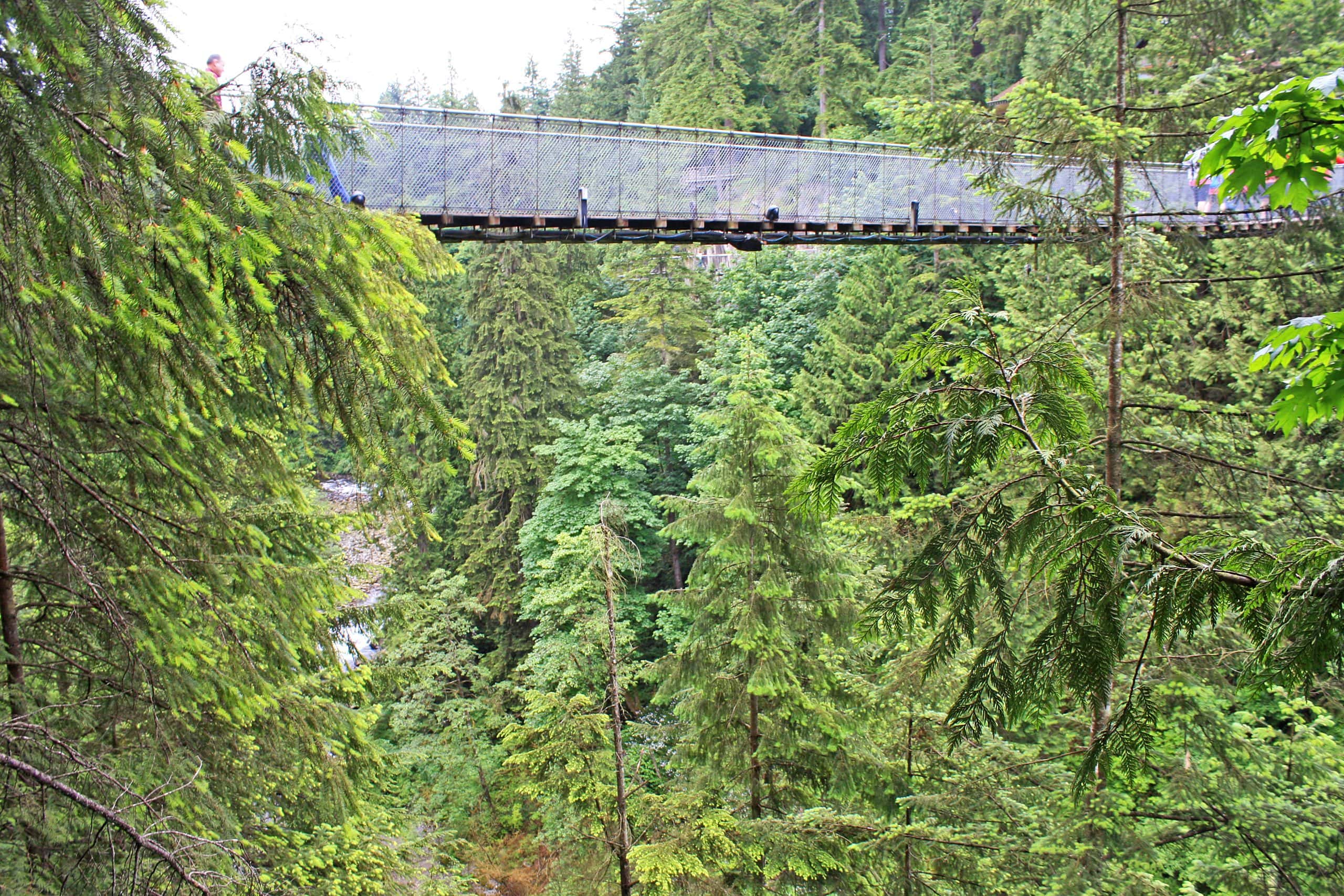
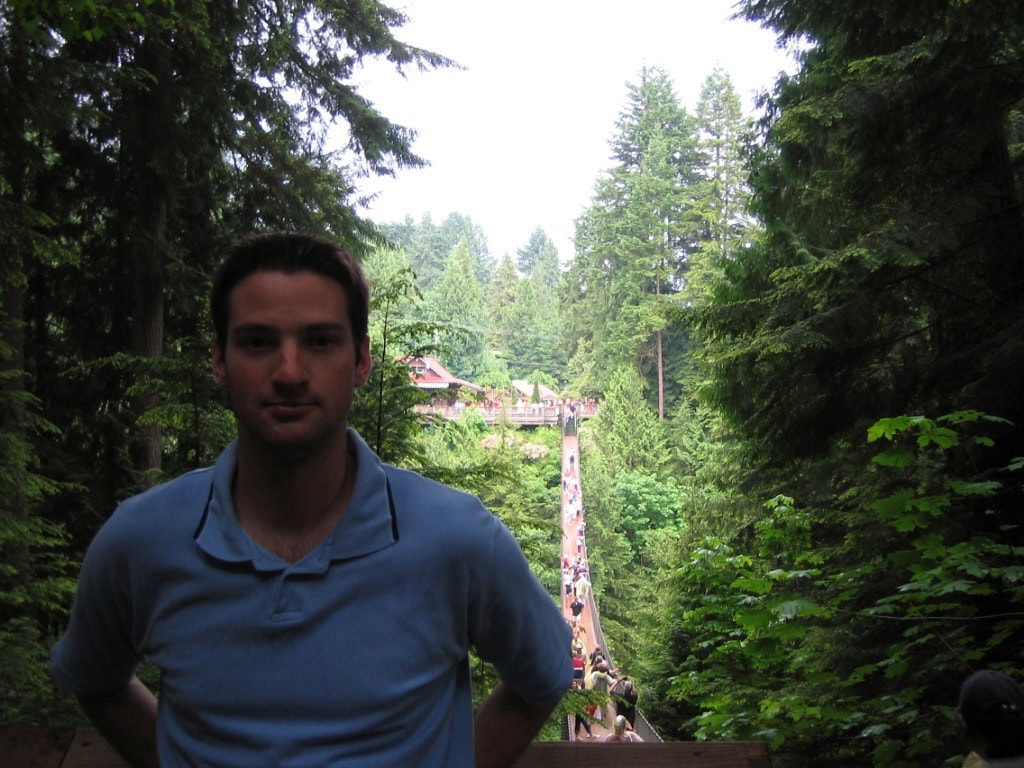
One of the most famous attractions near Vancouver is Capilano Suspension Bridge Park, where visitors walk across a long suspension bridge high above a forest canyon surrounded by coastal rainforest.
Things to do at Capilano Suspension Bridge Park:
• Walk across the Capilano Suspension Bridge
• Explore the Treetops Adventure canopy walkways
• Walk the dramatic Cliffwalk along the canyon walls
It’s fairly pricey and definitely a bit of a tourist trap, but it’s still a fun experience and one of the easiest ways to see the towering trees of the North Shore rainforest. Around Christmas the park also hosts Canyon Lights, when the bridge and forest are covered in thousands of lights.
Estimated time: 1.5 to 2 hours
Evening: Sunset at English Bay
The West End is one of the coolest neighbourhoods in Canada in my opinion. It has a great mix of beach vibes and dense city living, with beautiful mature trees lining the streets and the ocean just steps away.
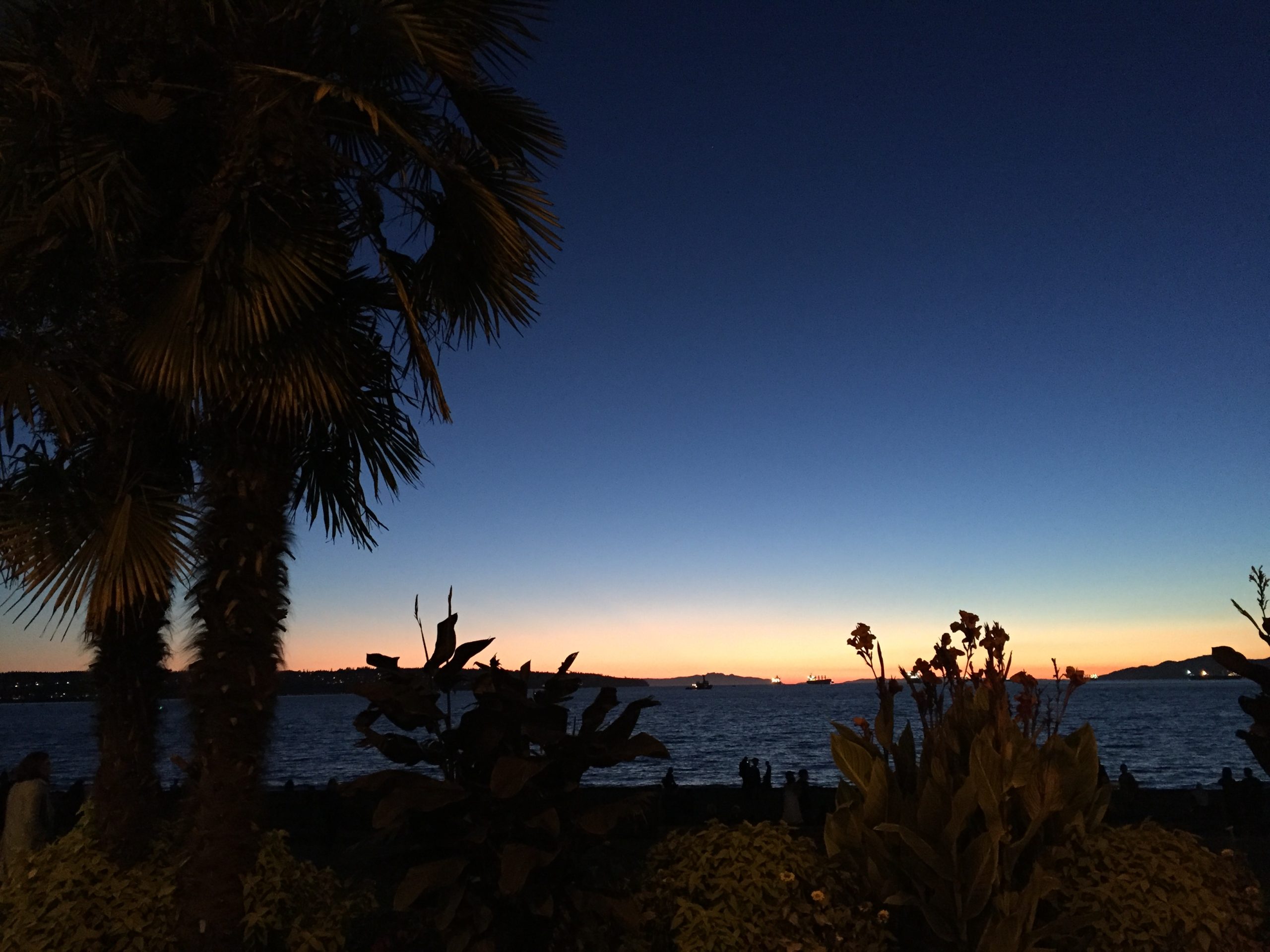
Head down to English Bay to relax on the beach, watch the sunset behind the mountains, and enjoy some classic Vancouver people watching. Afterward, walk over to Denman Street, where you’ll find plenty of diverse mom and pop restaurants, casual bars, and great spots for a drink.
Day 3: Yaletown, Kitsilano, and UBC
Day three is a more relaxed day and a great chance to explore some of the beautiful west side neighbourhoods of Vancouver. This route follows the waterfront from False Creek toward Kitsilano and the University of British Columbia, combining beaches, ocean views, and a few cultural stops.
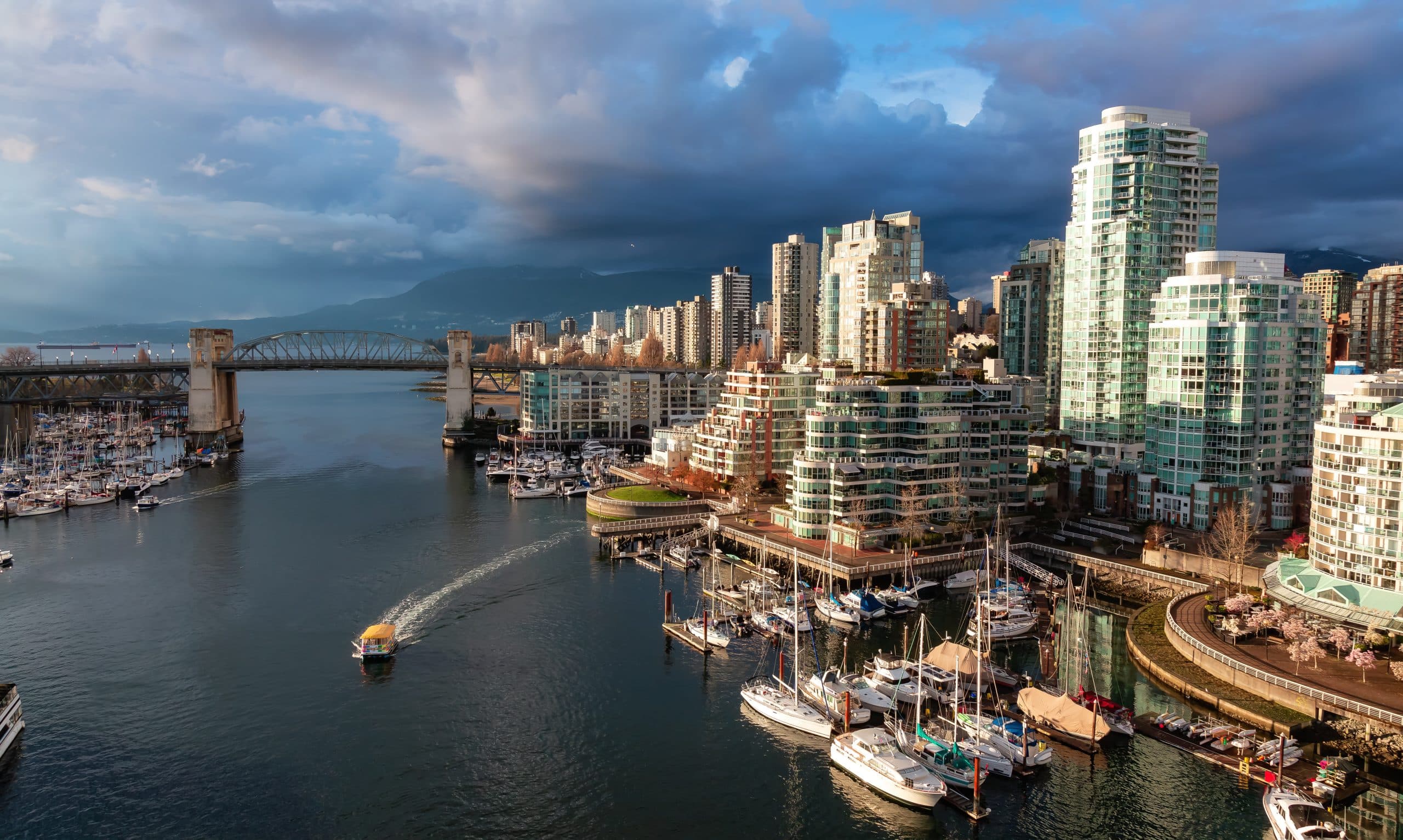
Morning: Coffee in Yaletown and the False Creek Seawall
Start your morning in Yaletown, a great neighbourhood to grab a coffee before heading out. One of my favourite local treats is a blackberry white chocolate scone, which is a perfect way to start the day.
From there head over to the False Creek Seawall, a beautiful waterfront path that’s perfect for a walk along the marina with views back toward the downtown skyline.
Estimated time: 1 to 1.5 hours
Late Morning: Kitsilano Beach and West 4th Avenue
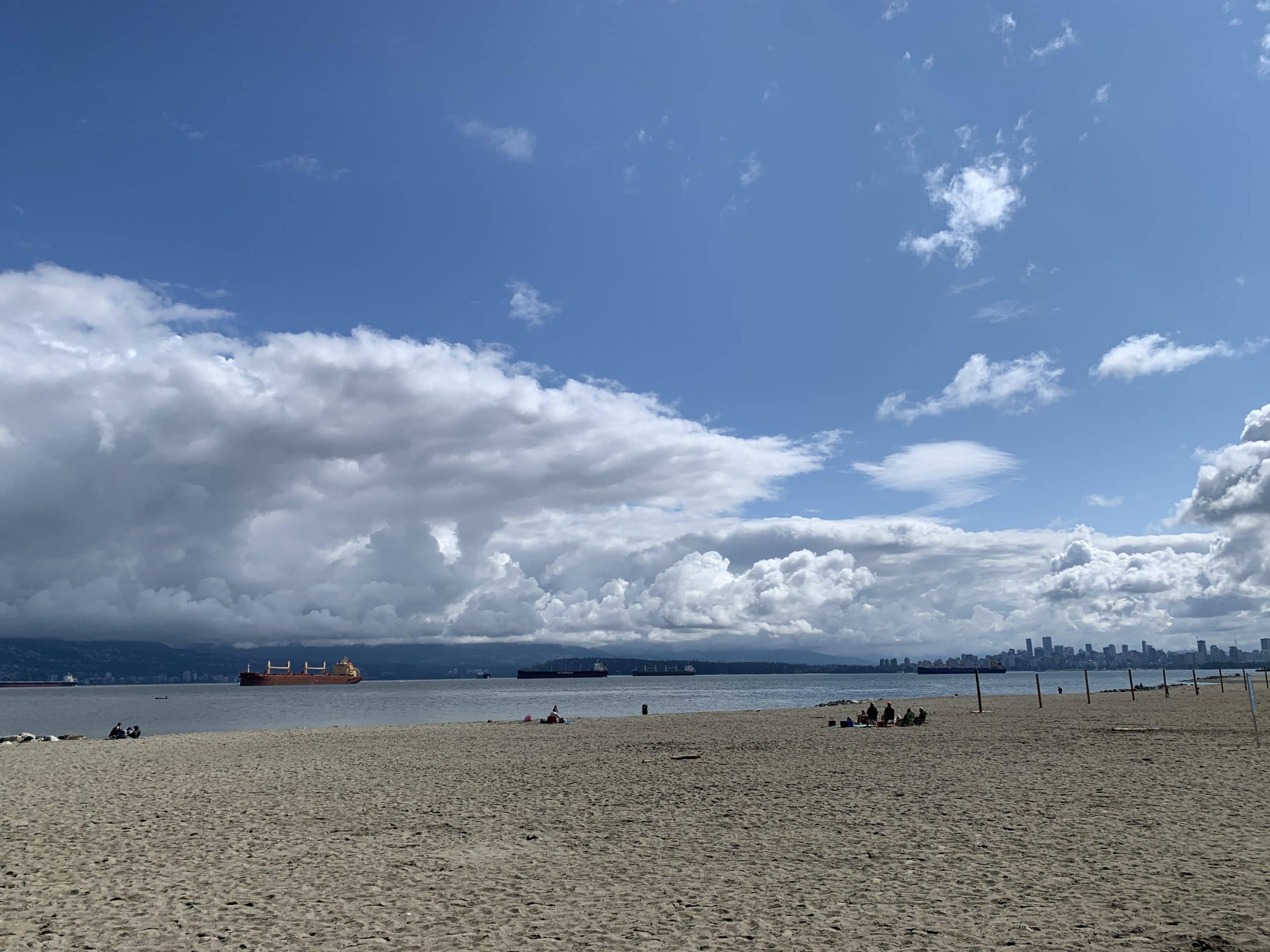
Continue west to Kitsilano, one of Vancouver’s most relaxed neighbourhoods. Spend some time at Kitsilano Beach, then walk along West 4th Avenue, which is filled with boutique shops, cafés, and local restaurants.
Estimated time: 1.5 to 2 hours
Afternoon: UBC, Spanish Banks, and Wreck Beach
Next head to the University of British Columbia, located on a forested peninsula overlooking the ocean.
Things to see around UBC:
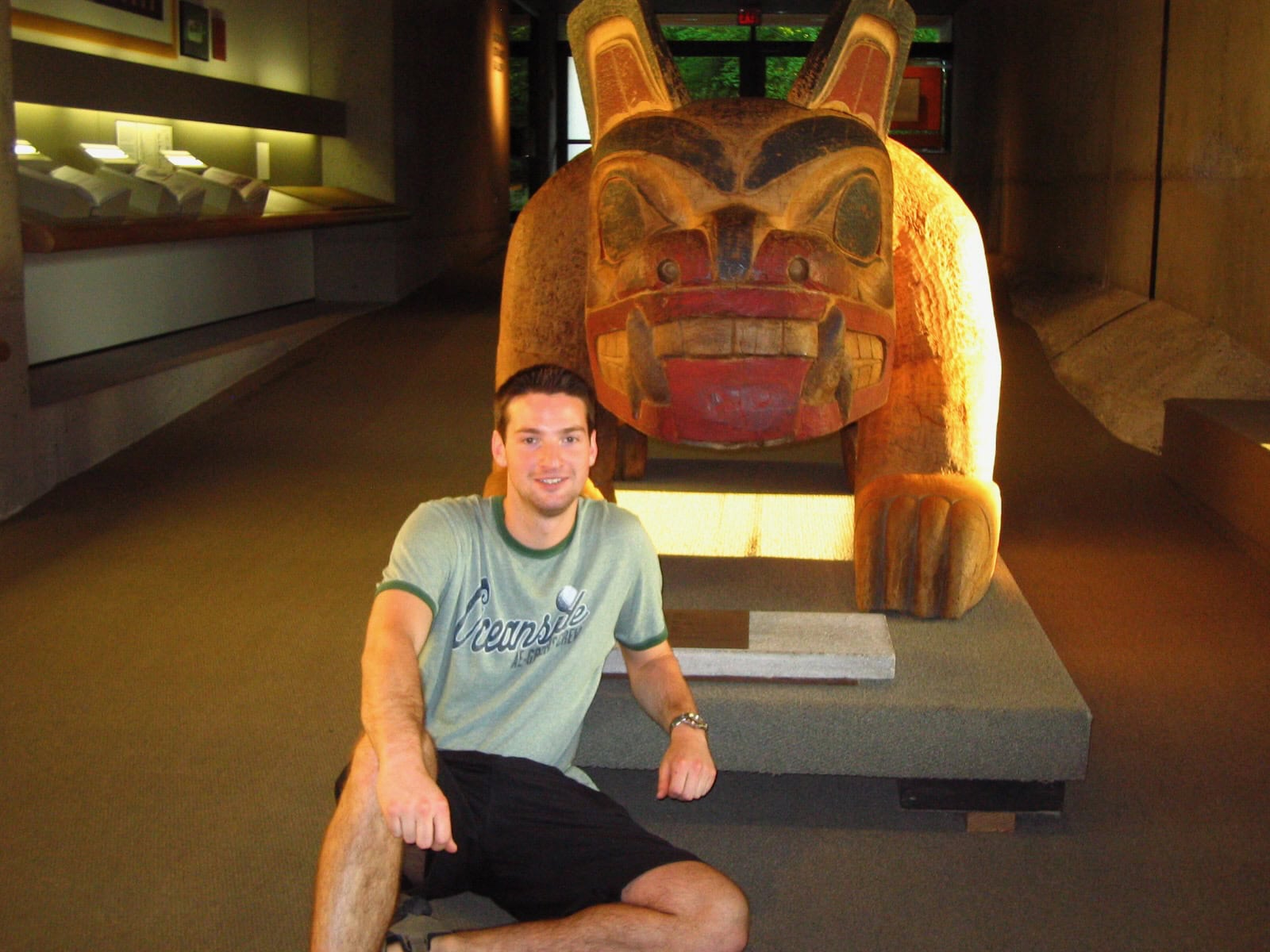
• Visit the Museum of Anthropology, known for its impressive Indigenous art
• Walk along Spanish Banks Beach for incredible ocean and mountain views
• Visit Wreck Beach, a beautiful beach below the cliffs that is clothing optional and very popular
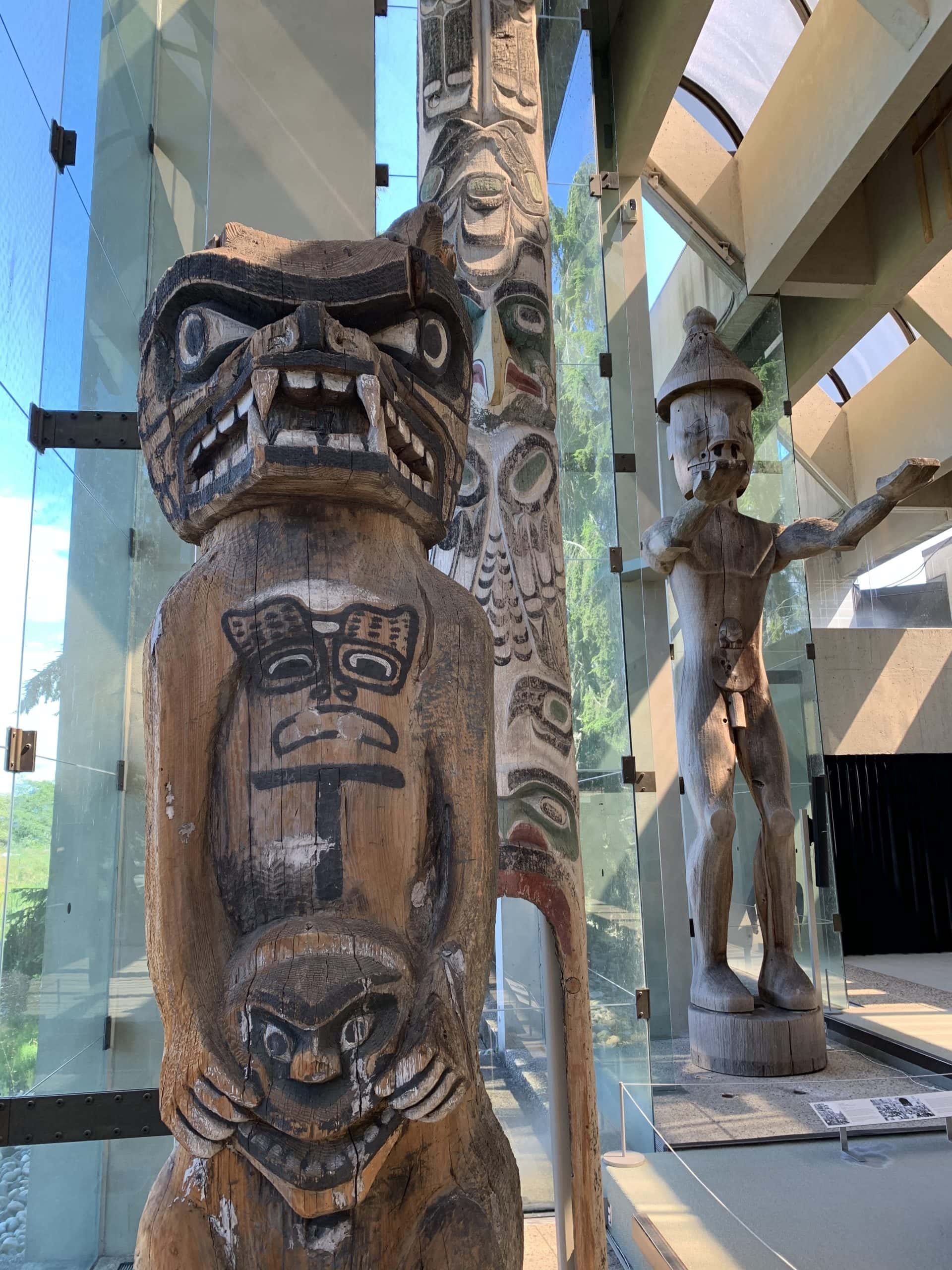
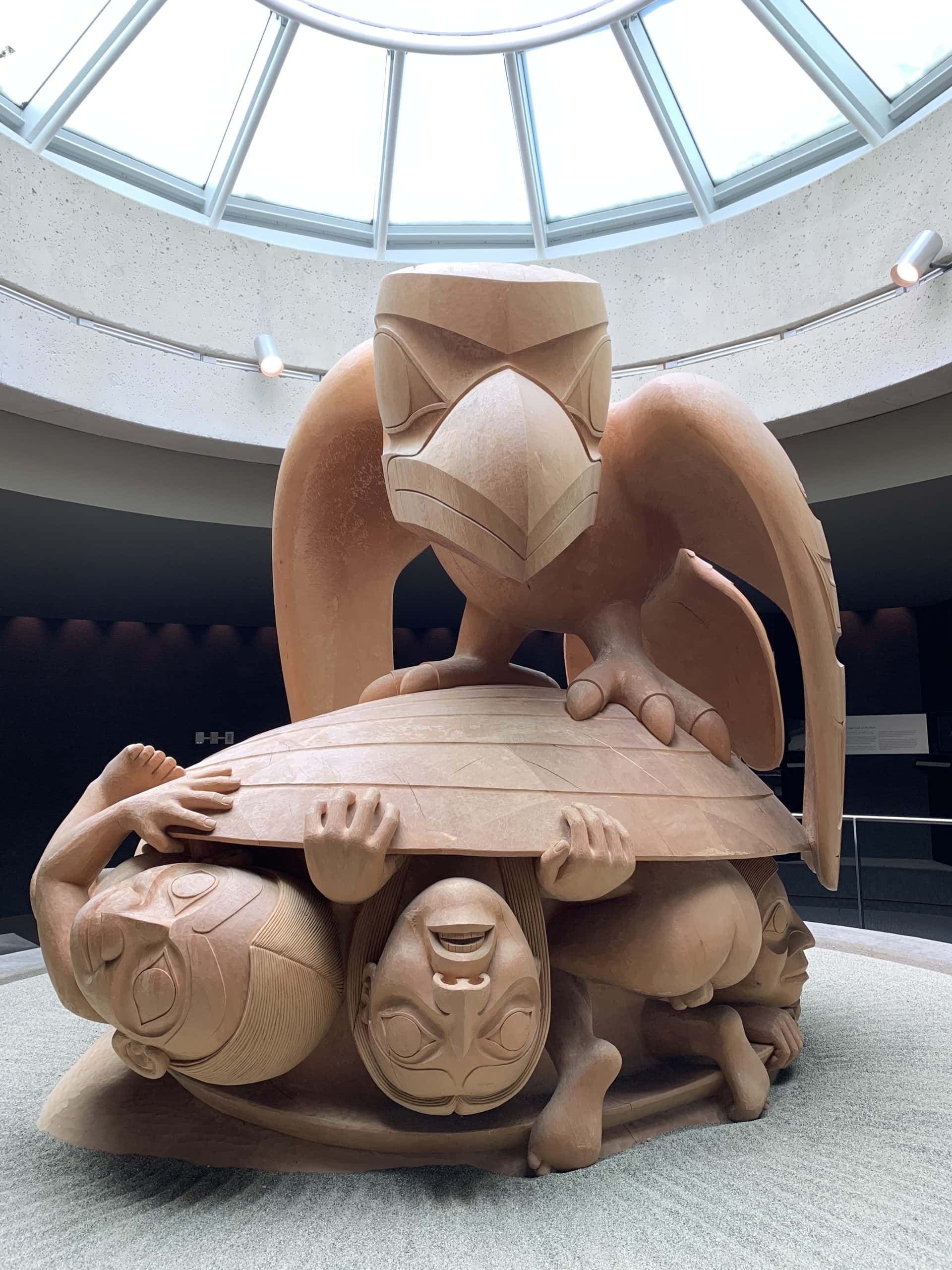
Estimated time: 2 to 3 hours
Late Afternoon: Vancouver Art Gallery (Optional)
If you still have time when returning downtown, the Vancouver Art Gallery is a nice cultural stop in the heart of the city.
Estimated time: about 1 hour
Evening: Vancouver Lookout and Granville Street
End the day at the Vancouver Lookout, which offers panoramic views of downtown Vancouver, the harbour, and the surrounding mountains. It’s great during the day or after sunset when the city lights come on.
If you’re in the mood to keep the night going, Granville Street is the heart of Vancouver’s nightlife with plenty of bars, clubs, and live music venues.
Day 4: Whistler and the Sea to Sky Highway
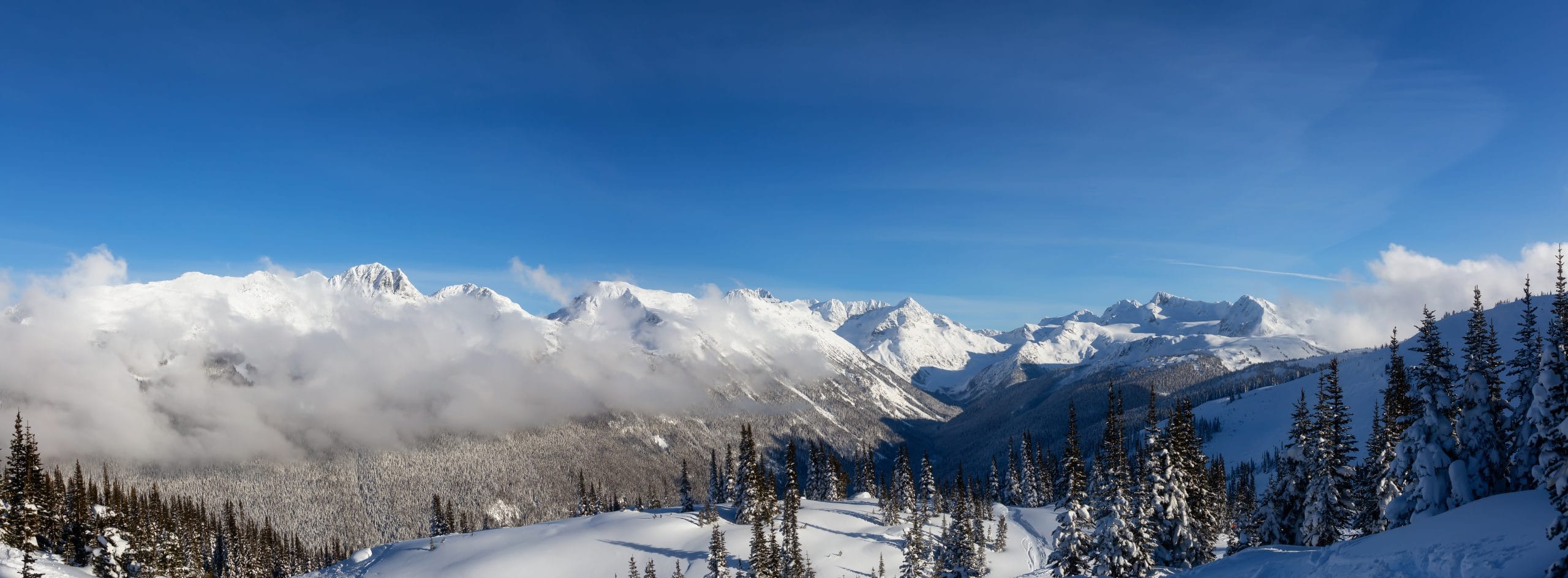
If you have extra time in Vancouver, a trip to Whistler is one of the best things you can do in British Columbia. I’ve done plenty of day trips from the city, leaving early, skiing all day, and still making it back to Vancouver for dinner.
That said, Whistler is huge. The resort spans two mountains, Whistler and Blackcomb, and it’s so big you could easily spend a week here and still not see everything.
For the real Canadian experience, try staying three or four nights in Whistler Village. Book a hotel in the village or, even better, a ski in ski out property on the mountain. After a long day on the slopes, nothing beats sitting in a hot tub with a drink while the snow falls around you. Whether you’re relaxing after skiing or hanging out with friends, it’s one of those classic Canadian experiences.
Morning and Afternoon: Sea to Sky Highway and Whistler Mountain
Leave Vancouver early and head north along the Sea to Sky Highway. The drive takes about 1 hour 40 minutes, and if you’re skiing most people go straight to Whistler so they can be on the mountain when the lifts open around 9:00 am.
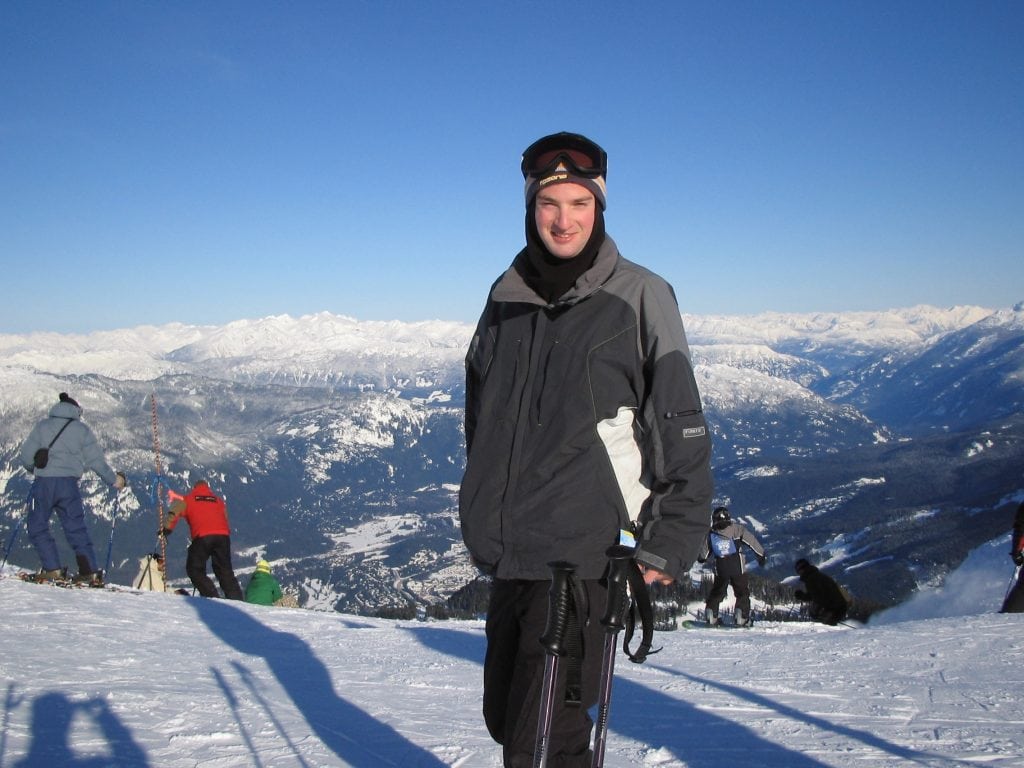
Spend the day skiing or snowboarding on Whistler and Blackcomb, two massive mountains connected by the famous Peak 2 Peak Gondola. The terrain is huge and varied, which is why many people spend several days here.
There are plenty of mountain lodges and restaurants where you can stop for lunch, warm up, and refuel before heading back out on the slopes.
If you’re visiting in summer instead of winter, Whistler is known for:
• Mountain biking at the Whistler Bike Park
• Riding the Peak 2 Peak Gondola
• Hiking alpine trails
• Exploring lakes and walking paths around the valley
Evening: Dinner in Whistler Village
After the lifts close, spend some time walking around Whistler Village. The pedestrian village has lots of great restaurants, pubs, and lively spots to grab dinner or a drink before heading back to Vancouver.
Day Five: Chinatown, Main Street, and Commercial Drive
Day five is a more relaxed day and a chance to explore some of the neighbourhoods where locals actually spend time, with independent shops, historic streets, and a mix of cultures that show a different side of Vancouver.
Morning: Chinatown and the Dr Sun Yat Sen Garden
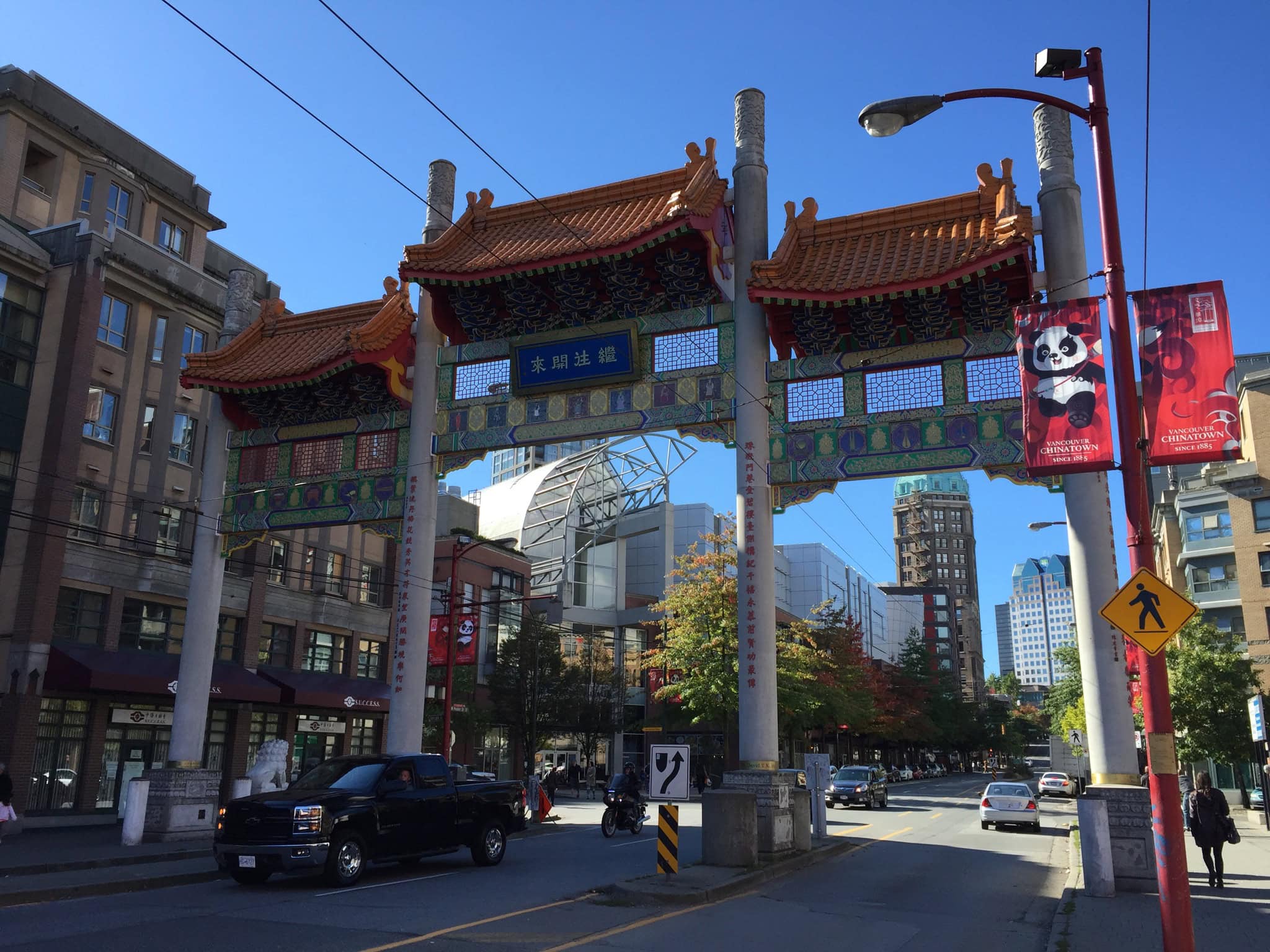
Start the day in Chinatown, one of the oldest Chinese communities in North America. Walking through the neighbourhood can almost feel like stepping into another country with traditional shops, markets, and restaurants.
Things to see around Chinatown:
• The Millennium Gate at the entrance to the neighbourhood
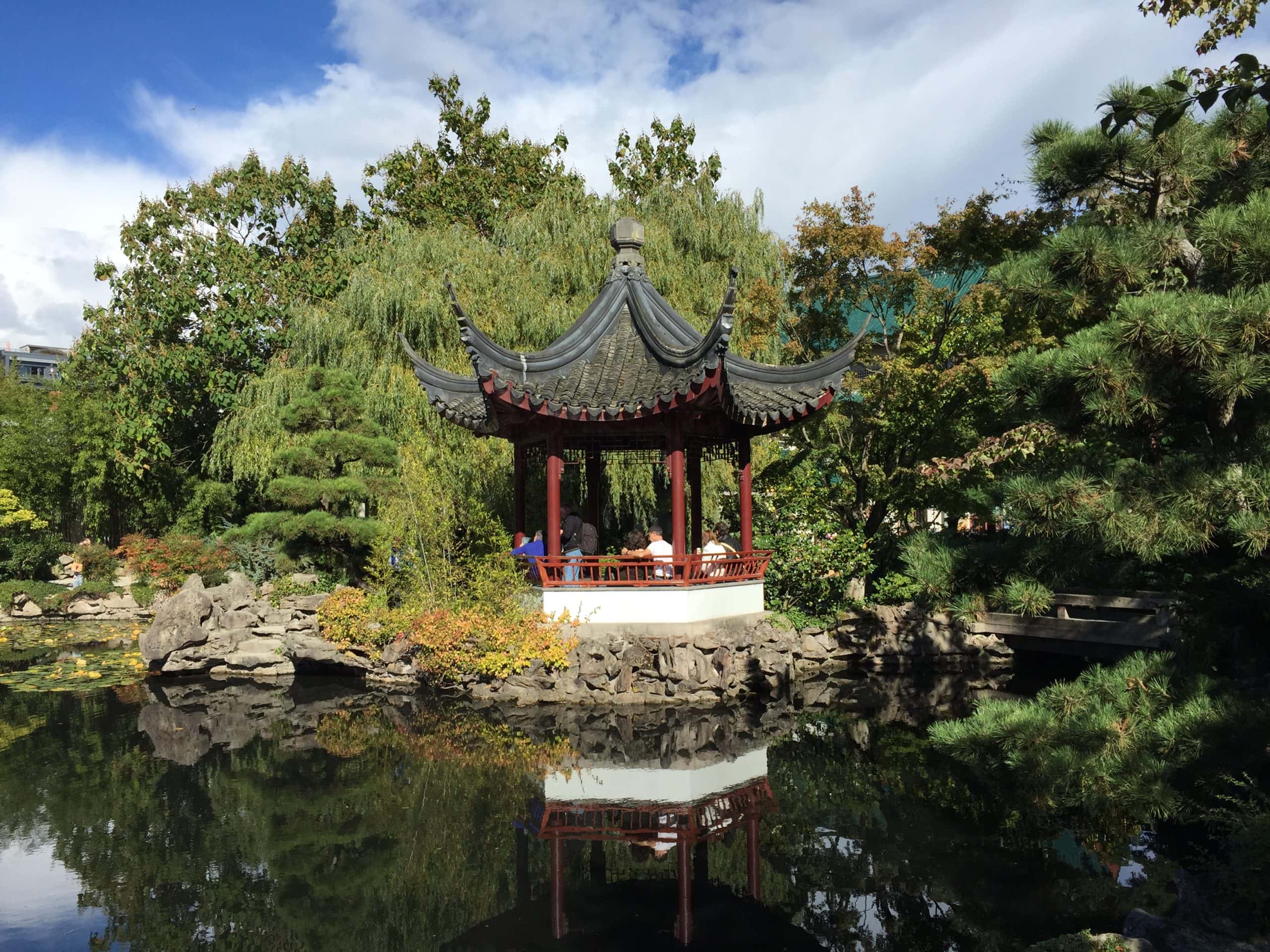
• The Dr Sun Yat Sen Classical Chinese Garden, a peaceful traditional garden in the middle of the city
• Small markets, tea shops, and traditional Chinese stores along Pender Street
Just be aware that the Downtown Eastside around East Hastings near Main Street has visible homelessness and open drug use. When exploring Chinatown, it’s best to stay west of Main Street.
Estimated time: 1 to 1.5 hours
Late Morning: Main Street
From Chinatown you can head south toward Main Street, one of Vancouver’s most creative neighbourhood corridors. The stretch between 16th and 30th Avenue is especially fun to explore.
Things to do along Main Street:
• Browse independent boutiques and vintage stores
• Check out street art and murals
• Stop at one of the many cafés, breweries, or local restaurants
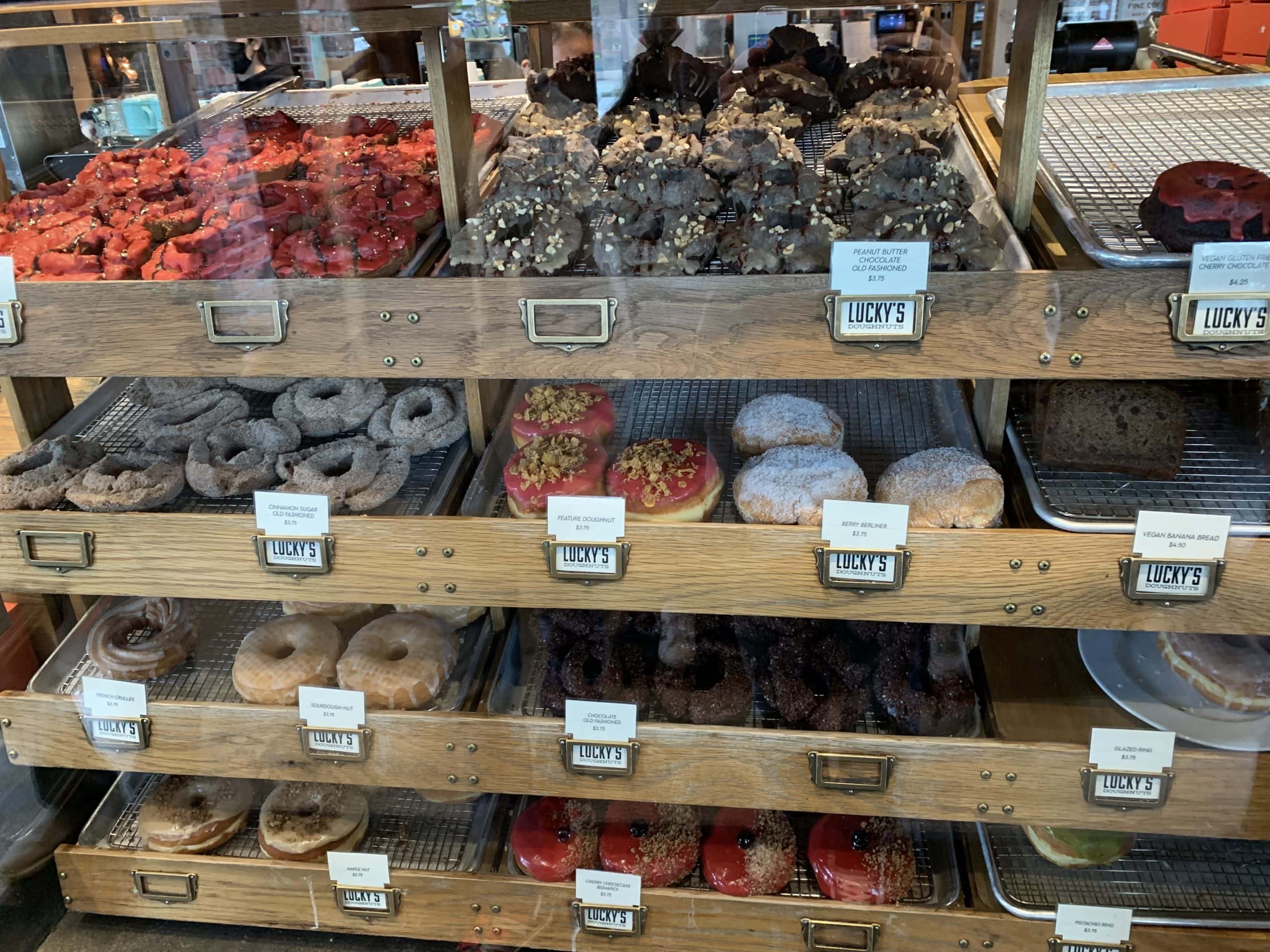
This area has a vibrant local feel and reflects the creative and multicultural side of Vancouver.
Estimated time: 1.5 to 2 hours
Afternoon: Commercial Drive
Next head over to Commercial Drive, one of Vancouver’s most eclectic neighbourhoods. While the area does have some Italian heritage and is sometimes referred to as Little Italy, it is better known today for its edgy, artsy, and counterculture vibe.
Things to do on Commercial Drive:
• Walk along Commercial Drive between Broadway and Venables
• Visit lively cafés, casual restaurants, and local pubs
• Browse independent bookstores, vintage shops, and record stores
• Enjoy the street art and people watching
Estimated time: 1.5 to 2 hours
Evening: Dinner on Commercial Drive
End the day with dinner on Commercial Drive, where you will find plenty of great restaurants, cafés, and lively patios. It is a great place to relax and experience a neighbourhood that feels authentic and local compared to the downtown core.
Day Six: More Things to Do in Vancouver
If you have extra time in Vancouver, there are still plenty of great places worth exploring. Here are a few additional ideas depending on your interests.
Whale and Orca Watching Tours
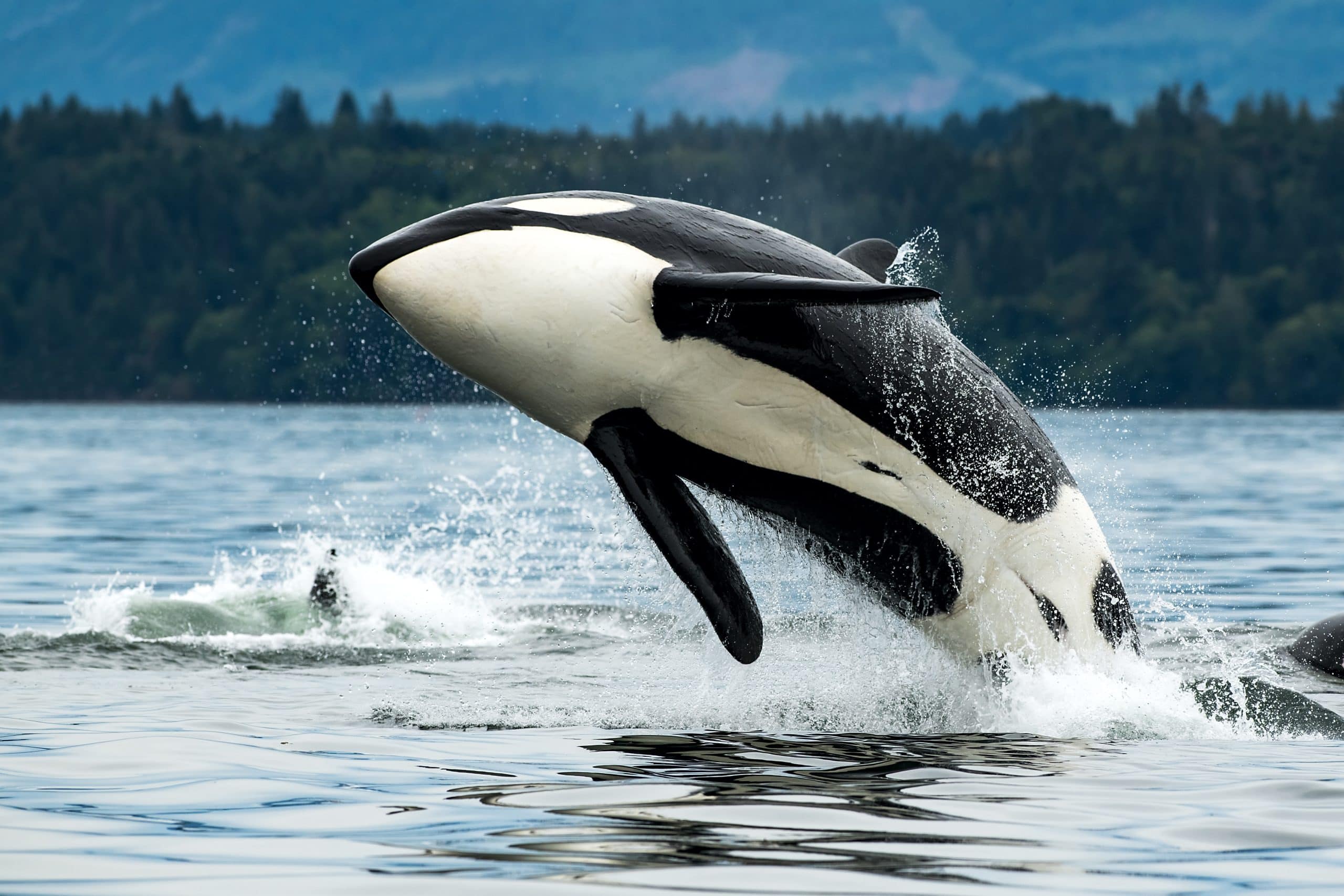
Whale watching is one of the most popular experiences from Vancouver, with boats heading out into the Salish Sea to search for orcas, humpback whales, and other marine life.
Richmond and the Night Market
Richmond is known for having one of the best Asian food scenes in North America, with incredible Chinese restaurants, bakeries, and food courts. If you’re visiting in the summer, the Richmond Night Market is a fun evening experience with dozens of street food stalls and lively crowds.
Steveston Village
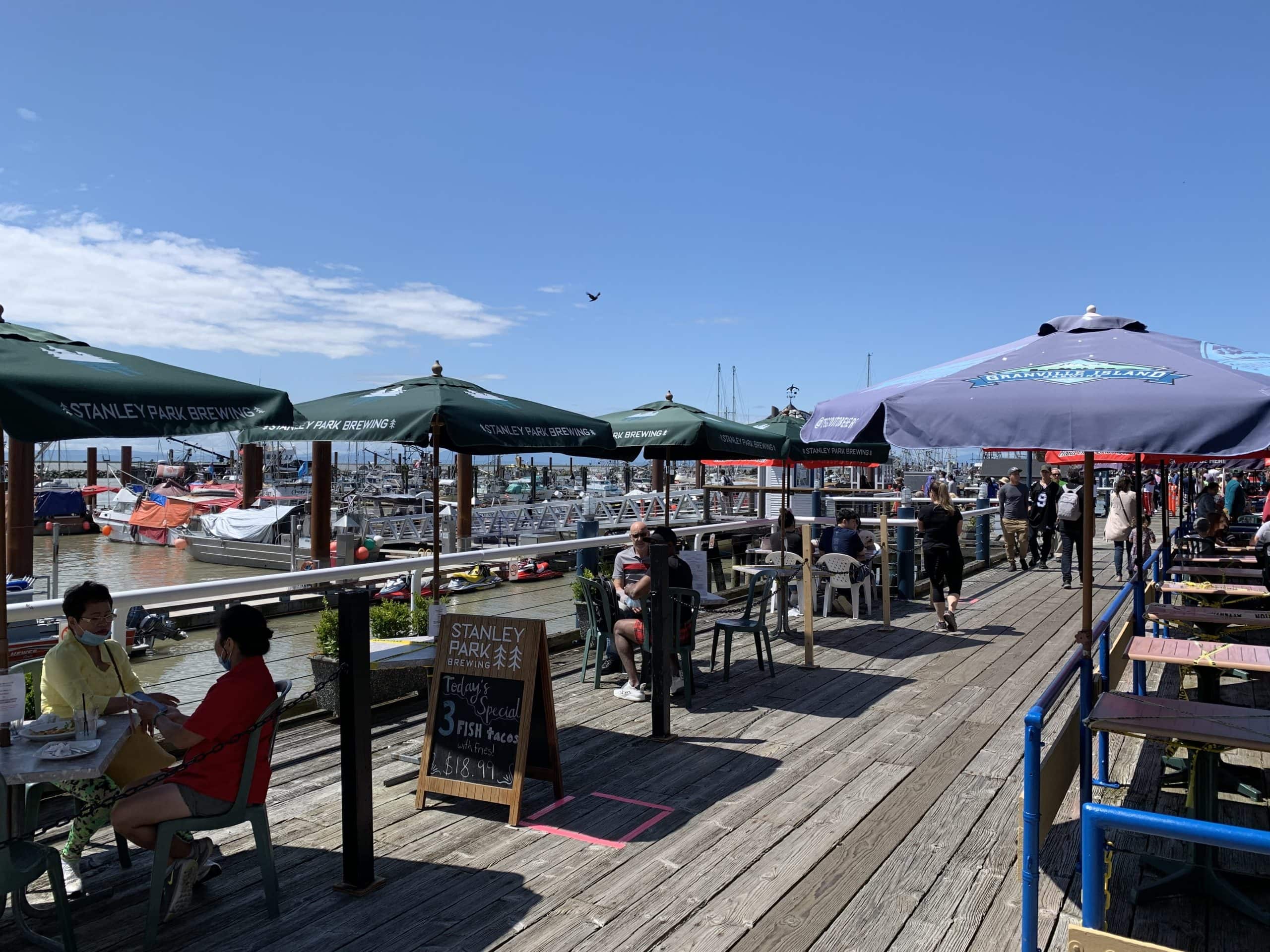
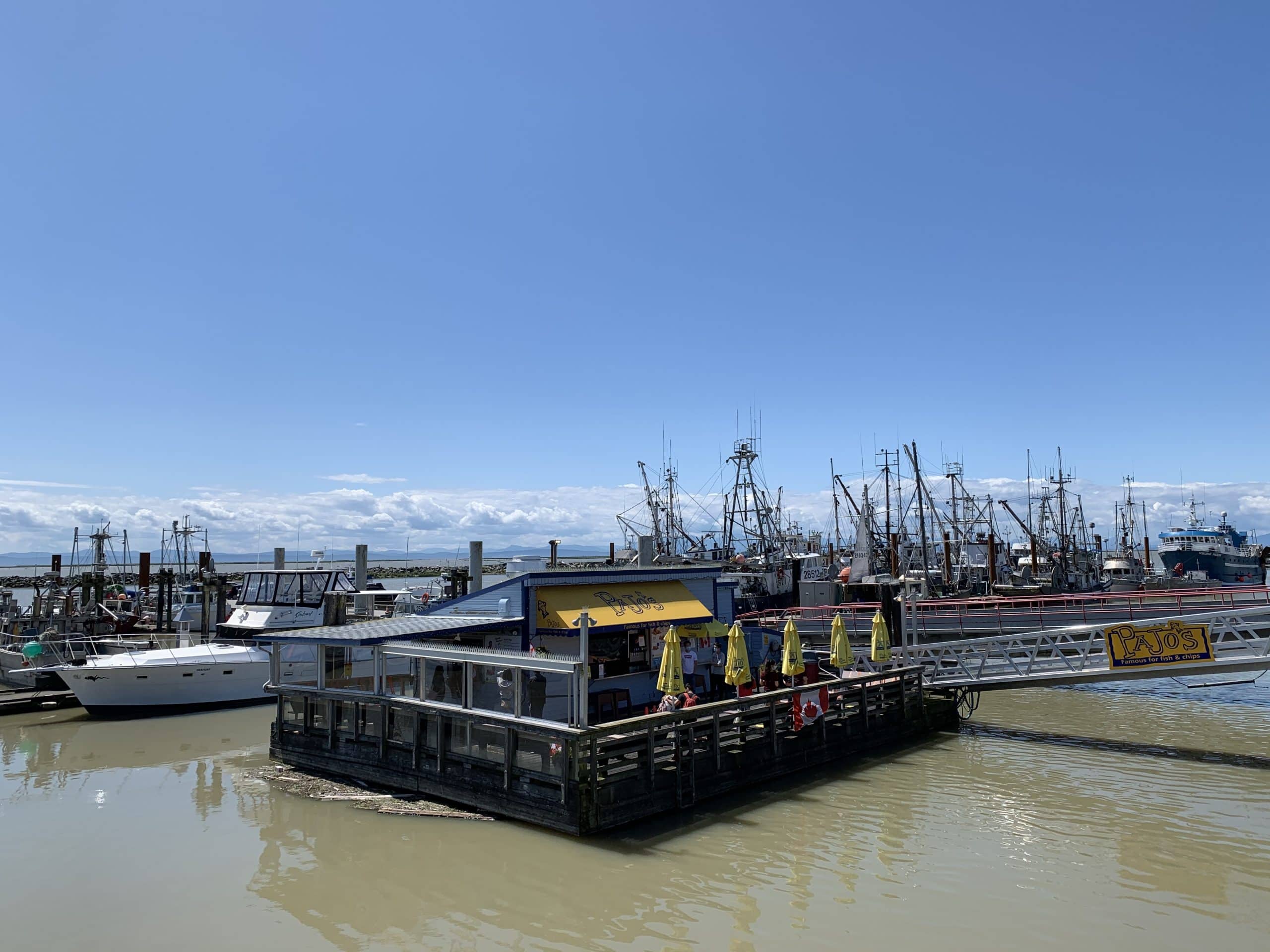
Steveston is a historic fishing village south of Vancouver that’s a great place to spend a relaxed afternoon. Walk along the marina boardwalk, visit the historic Gulf of Georgia Cannery, and enjoy some excellent seafood at one of the waterfront restaurants.
Science World (Great with Kids)
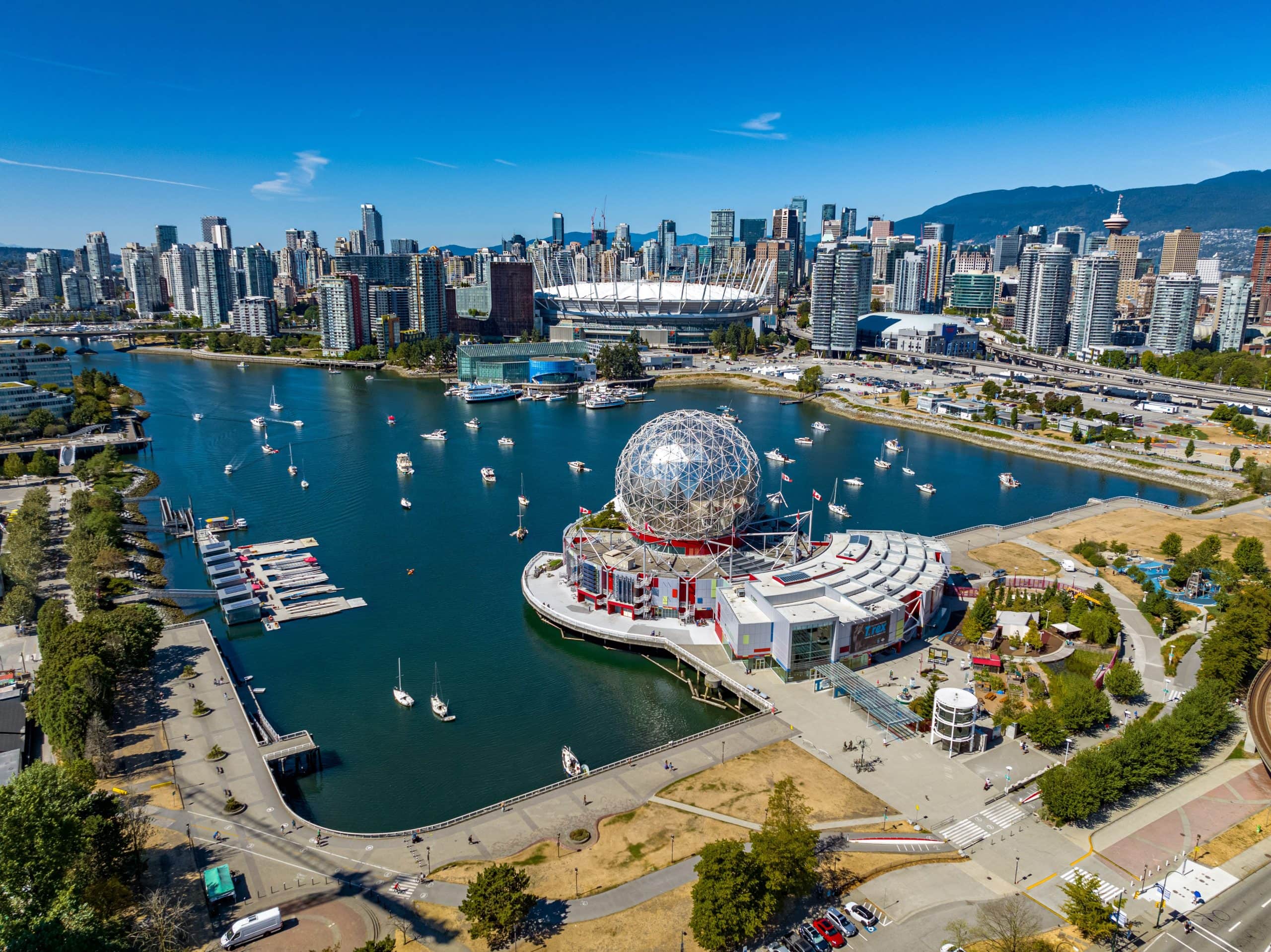
Science World is a great stop if you’re traveling with kids. The large geodesic dome along False Creek features interactive science exhibits and hands on displays that make learning fun.
White Rock
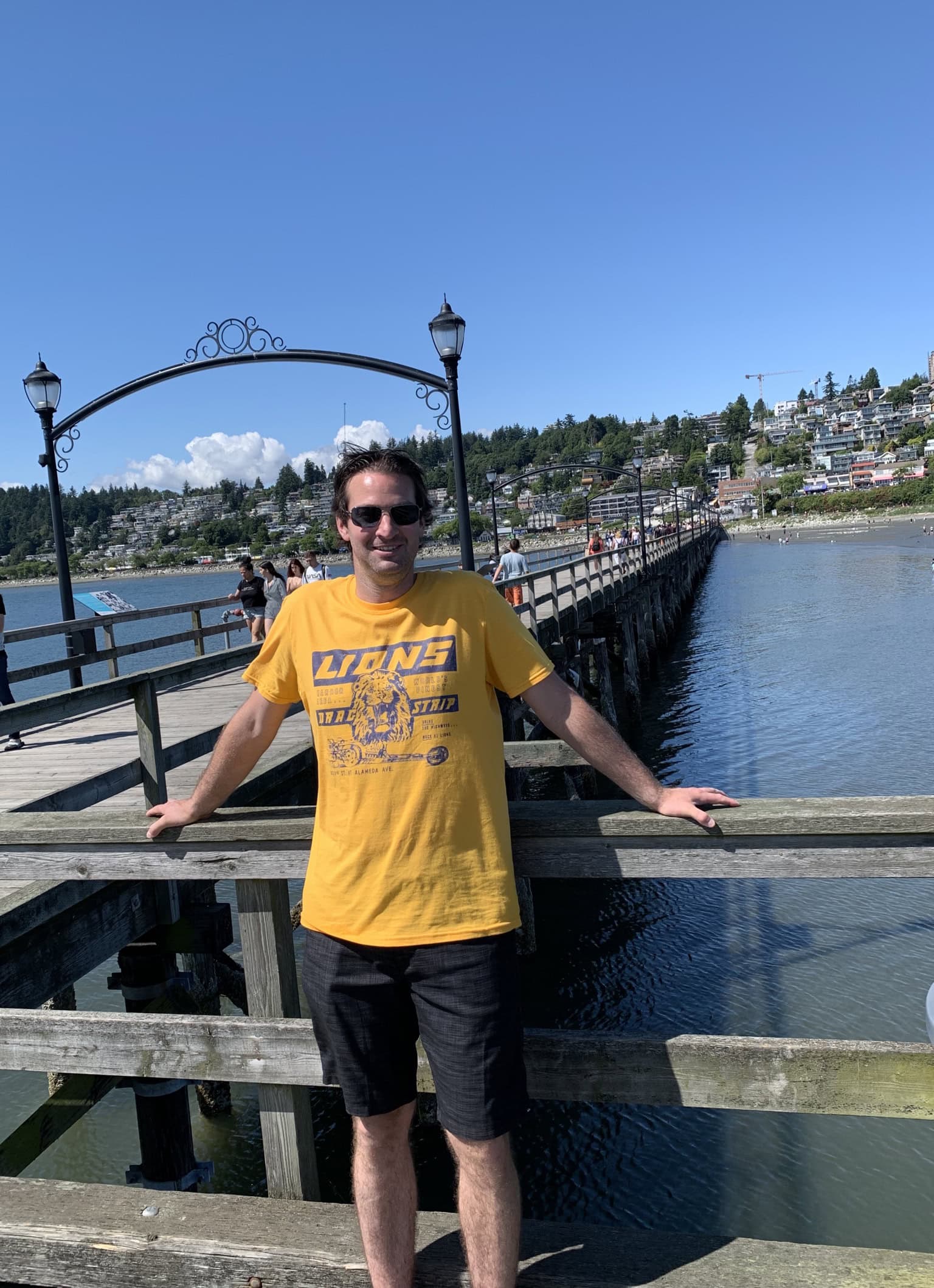
White Rock is a small seaside town south of Vancouver known for its long pier and relaxed beach atmosphere. It’s a nice place for a walk along the waterfront, grabbing fish and chips, or simply enjoying the ocean views.
Scuba Diving
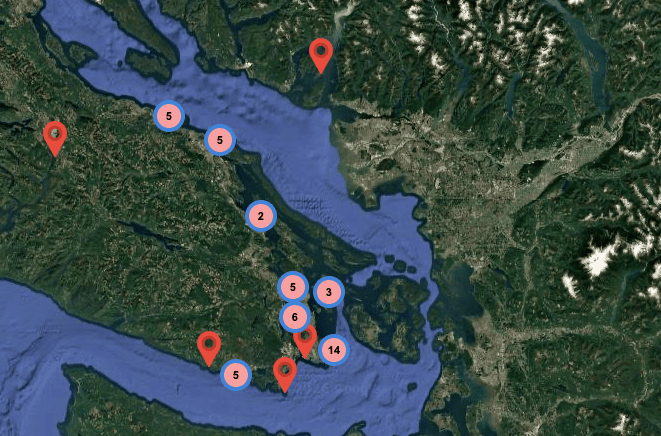
Many people are surprised to learn that there is excellent cold water scuba diving around Vancouver. Local dive shops run trips to explore reefs, marine life, and even some wrecks along the coast.
SFU Cliffside Running Path
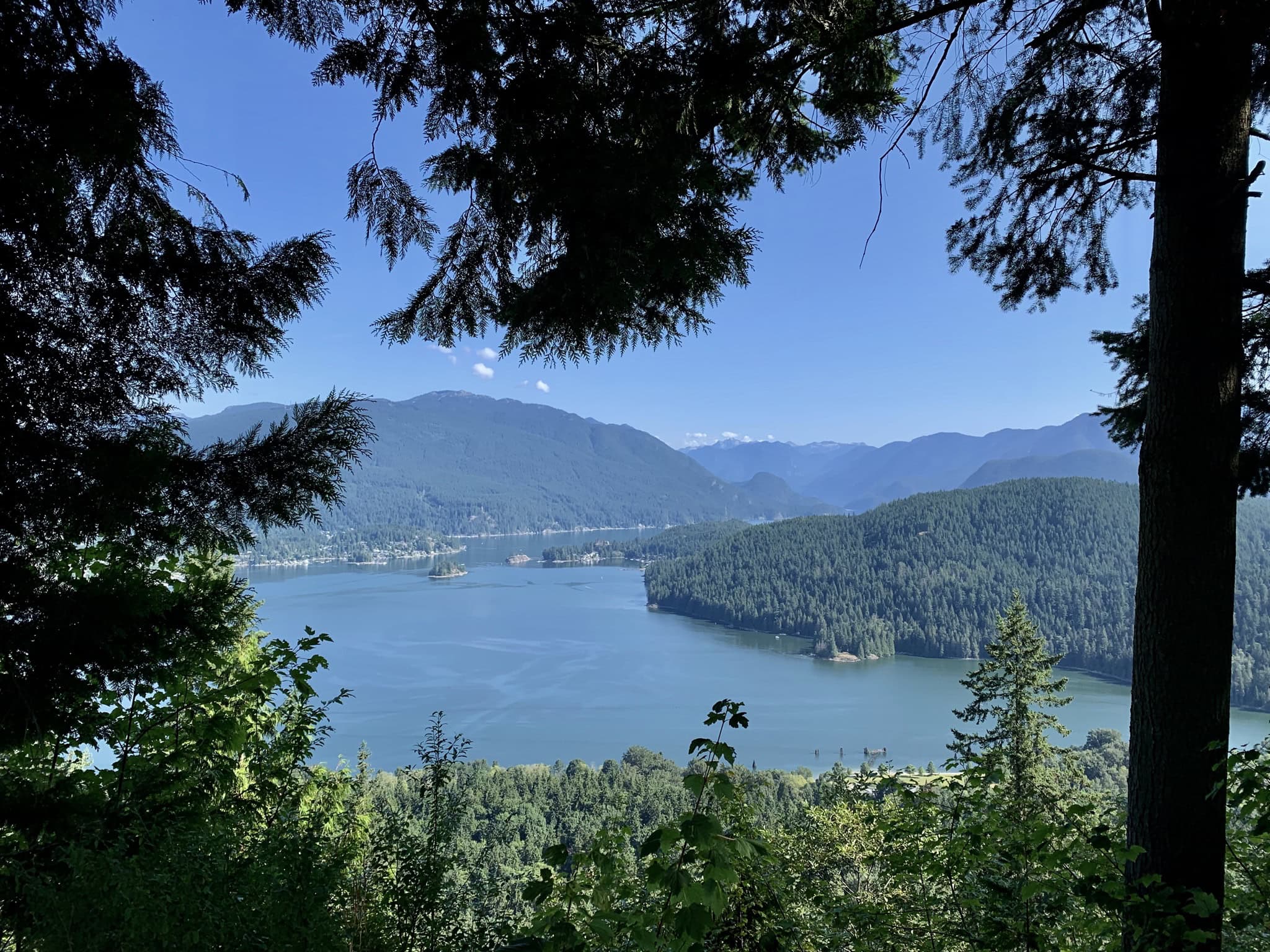
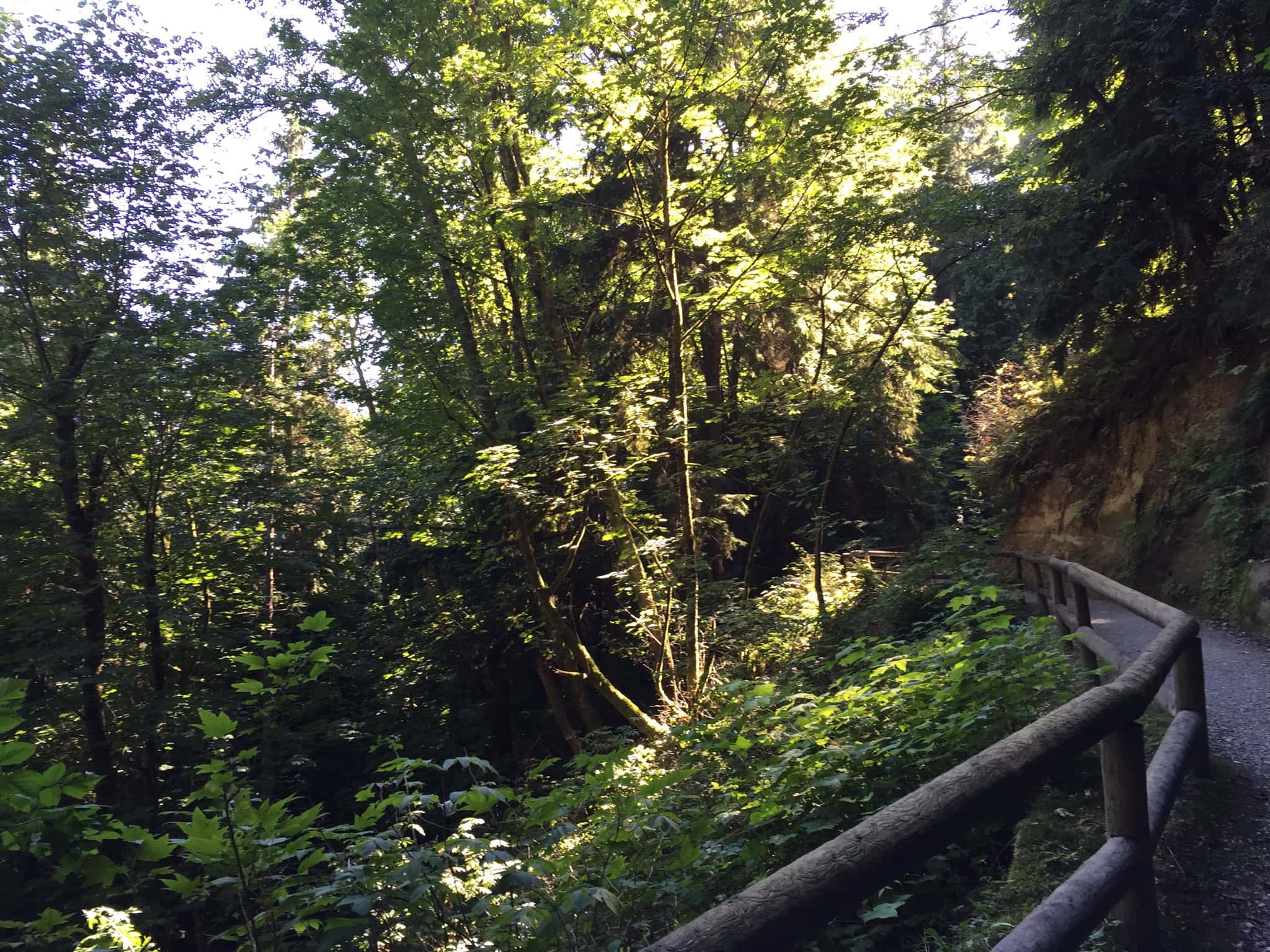
For fitness lovers, one of the most scenic jogging routes near Vancouver runs around the perimeter of Simon Fraser University on Burnaby Mountain. The path winds through rainforest and offers incredible views over the city and surrounding mountains.
VanDusen Botanical Garden and Queen Elizabeth Park
If you enjoy gardens and scenic viewpoints, VanDusen Botanical Garden and nearby Queen Elizabeth Park are both worth visiting. Queen Elizabeth Park sits at the highest point in Vancouver and offers beautiful views of the skyline and mountains.
Where To Stay
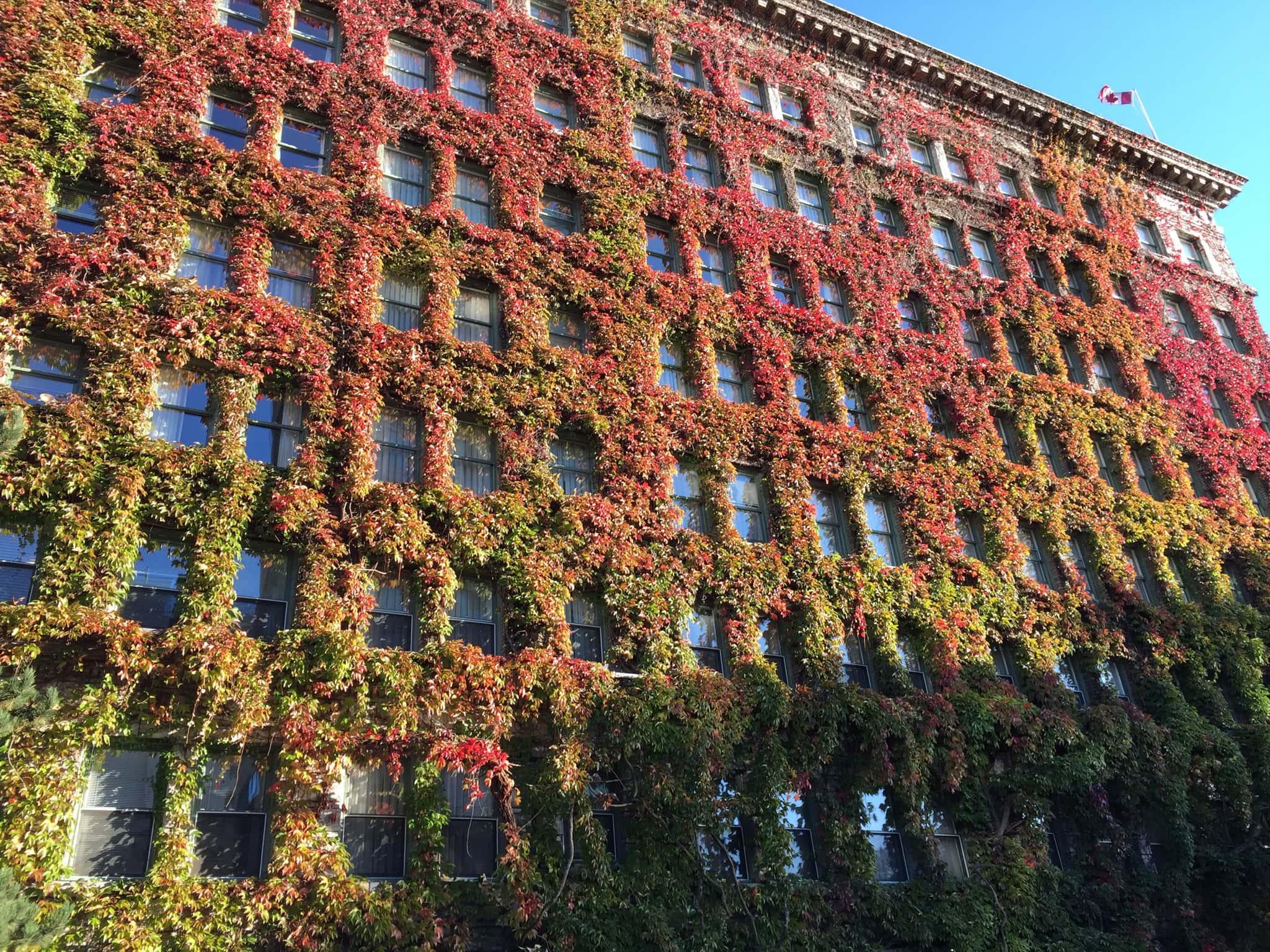
For most visitors, staying in downtown Vancouver is the easiest option. The SkyTrain connects the airport directly to downtown, and once you arrive the area is very walkable with easy access to many of the city’s top attractions like Stanley Park, the seawall, Gastown, and Granville Island. Neighbourhoods like Coal Harbour, Yaletown, and the West End are all great places to base yourself while visiting the city.
📍 Budget Option
Hotel Willow (Previously YWCA Hotel Vancouver) is a clean, affordable hotel located near BC Place and Rogers Arena. It’s a great value option within walking distance of many downtown attractions and SkyTrain stations.
👉 Check prices and availability
📍 Mid Range Option
The Sylvia Hotel is a historic waterfront hotel located beside English Bay and Stanley Park. The location is fantastic if you want to stay near the beach while still being able to walk into downtown.
👉 Check prices and availability
📍 Luxury Option
Rosewood Hotel Georgia is one of Vancouver’s most famous luxury hotels located in the heart of downtown. The historic property blends classic elegance with modern luxury and is close to many of the city’s best restaurants and attractions. Taylor Swift reportedly stayed here during her Eras Tour stop in Vancouver.
👉 Check prices and availability
FAQs
Here are a few common questions travellers often ask when planning a trip to Vancouver.
How many days should I spend in Vancouver?
For most visitors, three days is enough to see many of Vancouver’s main highlights including Stanley Park, Granville Island, Gastown, and the seawall. With five days you can explore more neighbourhoods and take day trips such as Whistler or Vancouver Island.
What’s the best month to visit Vancouver?
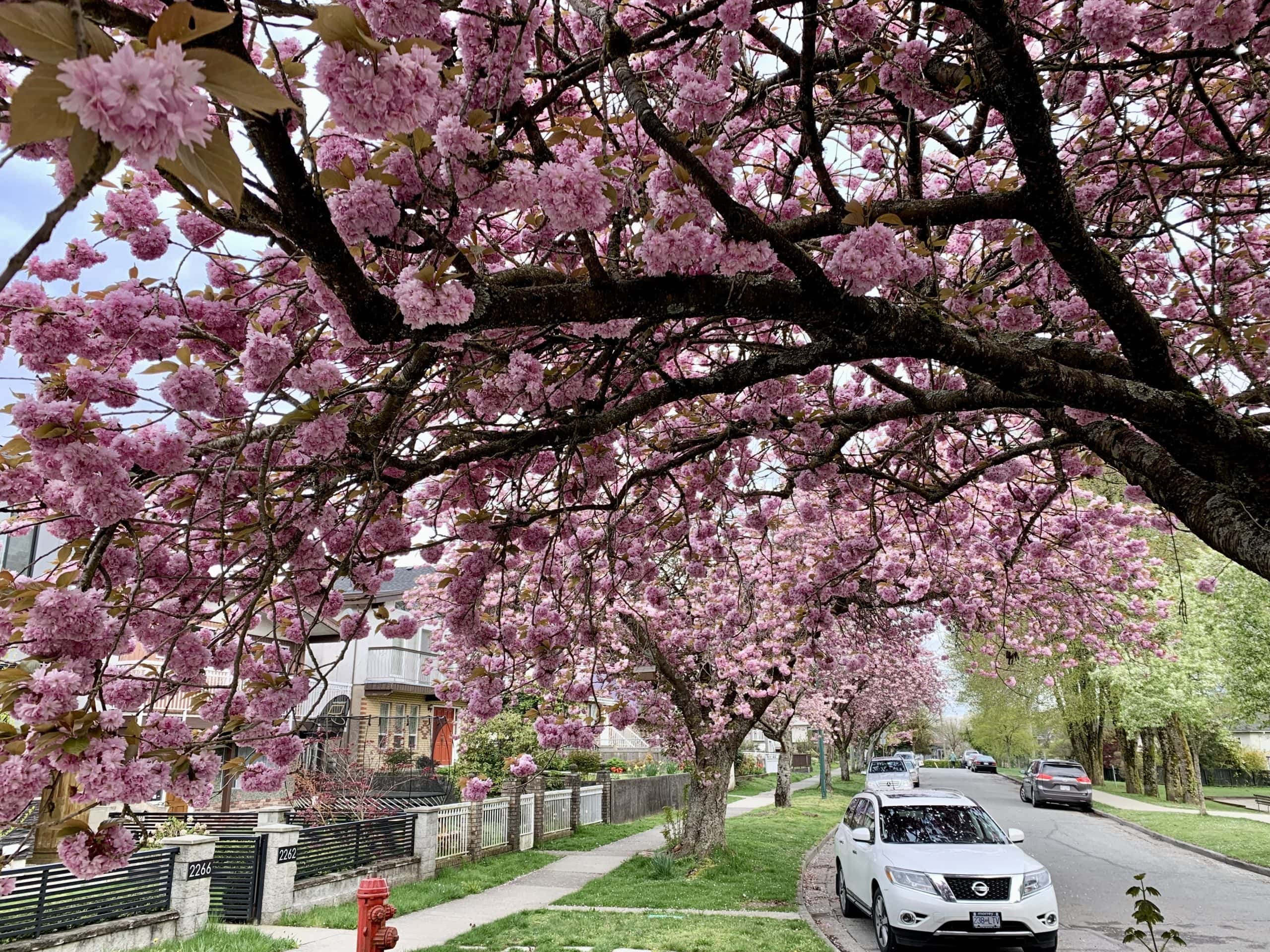
The best time to visit Vancouver for most travellers is between June and September when the weather is warm and there is the least amount of rain. Personally, my favourite times are spring and fall when the city explodes with cherry blossoms and vibrant fall colours. Winter can be great for skiing nearby, but be warned Vancouver is one of the wettest cities in the world and it can rain heavily during that time.
When can you see whales in Vancouver?
Whale watching season around Vancouver typically runs from April through October. During this time it’s possible to see orcas, humpback whales, grey whales, and other marine life in the waters around Vancouver. I actually see whales regularly when fishing off Vancouver Island. If you’re interested in visiting that part of the coast, check out my guide to Port Renfrew on Vancouver Island.
In Summary: Making the Most of Your Time in Vancouver
Vancouver is honestly one of the most beautiful cities I’ve ever visited. Few places combine ocean views, rainforest parks, mountain scenery, and a vibrant cosmopolitan city all in one place. Even with just a few days you can experience many of the highlights, while a longer trip lets you explore more neighbourhoods and incredible day trips around the region.
Hopefully this guide helps you decide how many days in Vancouver makes sense for your trip and gives you a solid starting point for planning your Vancouver itinerary.
You can grab my free Vancouver itinerary here to help plan your trip. And if you’d like more travel tips, destination guides, and travel deals, feel free to sign up for my newsletter below.
Additional Resources
- Find the best flight deals on Trip.com.
- Reserve budget stays with Hostelworld.
- Book hotels with Booking.com.
- Protect your trip with SafetyWing travel insurance.
- Plan trains, ferries, and buses with 12Go.
- Discover unforgettable activities with GetYourGuide.
- Compare car rentals worldwide with DiscoverCars
- Download my free Vancouver Itinerary