Philippines Itinerary: 7 Days, 10 Days, 2 Weeks & 1 Month

Planning a Philippines itinerary isn’t easy. With more than 7,000 islands, incredible beaches, waterfalls and some of the best diving in the world, deciding where to go is only half the challenge. Figuring out how to get between destinations without wasting days travelling is just as important.
I’ve visited the Philippines on four separate trips, starting in 2007 when I spent five months living in Manila as an exchange student. Since then, I’ve returned for trips lasting a month, two weeks and one week, exploring much of the country along the way.
Those experiences have taught me which places are worth the journey, which I’d skip and how to make the most of your time. In this guide, I’ll share my recommended Philippines itineraries for 7 days to 1 month, including where to go, how long to stay, how to get around and the mistakes I’d avoid.
If you’re still in the early planning stages, my Philippines Travel Guide covers everything you should know before visiting.
Quick Travel Resources for the Philippines
These are the resources I’d recommend to make planning easier, save time and avoid unnecessary headaches along the way.
Accommodation: Booking.com for hotels, guesthouses and resorts.
Tours and activities: GetYourGuide for island hopping, waterfalls and other adventures.
Ferries and buses: 12Go for comparing routes and booking transportation.
Mobile data: Airalo for staying connected with an eSIM.
Travel insurance: SafetyWing for travel medical coverage.
Philippines Itinerary: Where Should You Go?
One thing I’ve learned from travelling around the Philippines is that getting from place to place takes much longer than you’d expect. The country is larger than it appears on maps, with thousands of islands, mountainous terrain and transportation that doesn’t always run smoothly.
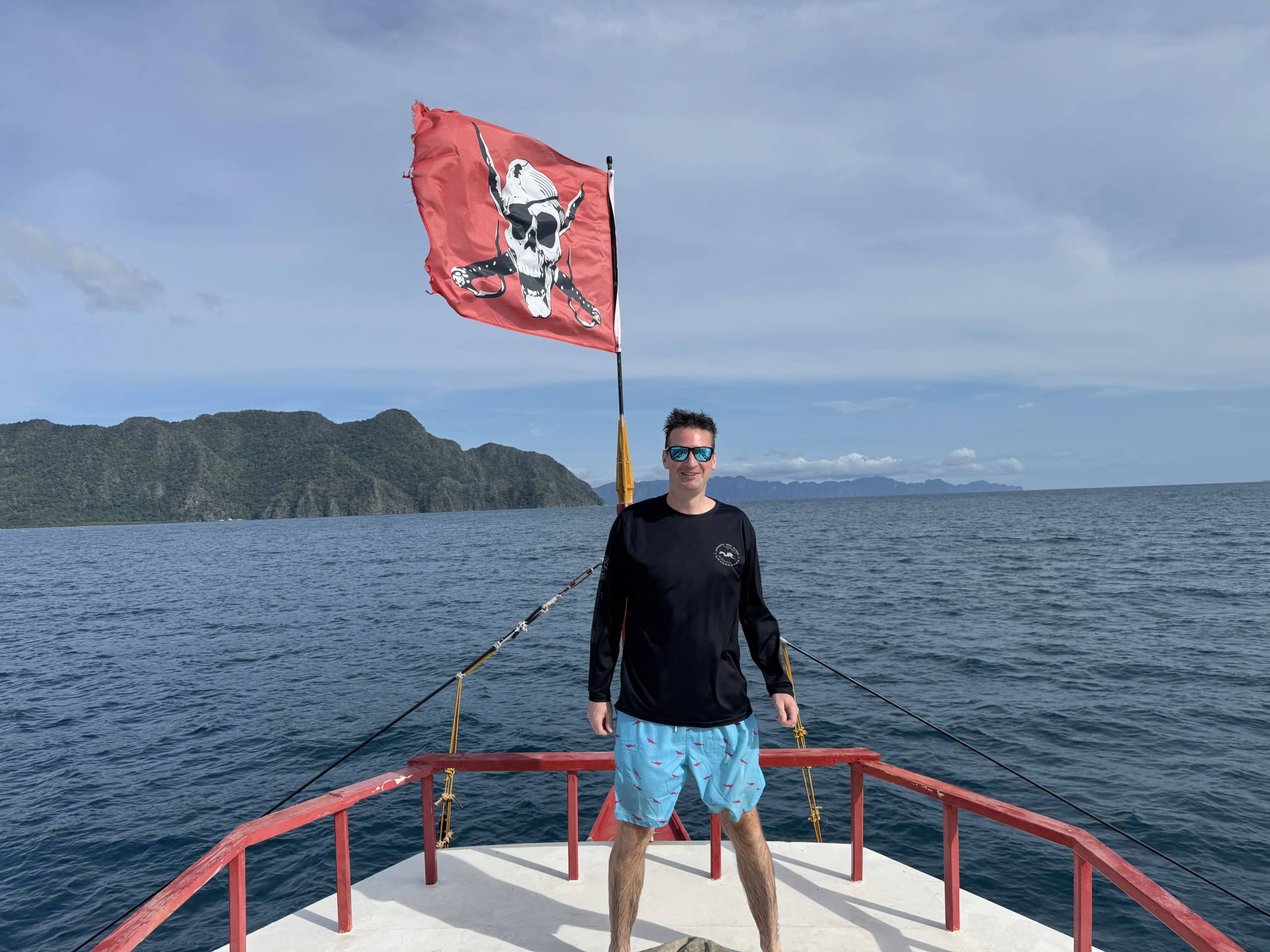
You can absolutely have an amazing trip in one week. Two weeks is ideal for most visitors, but if you have the time and money, I’d recommend a month.
My biggest piece of advice? Don’t try to see everything. If you only have one or two weeks, stick to one region. Otherwise, you could end up spending more time on ferries, buses and flights than actually enjoying the Philippines.
The 5 Philippines Itineraries I’d Recommend
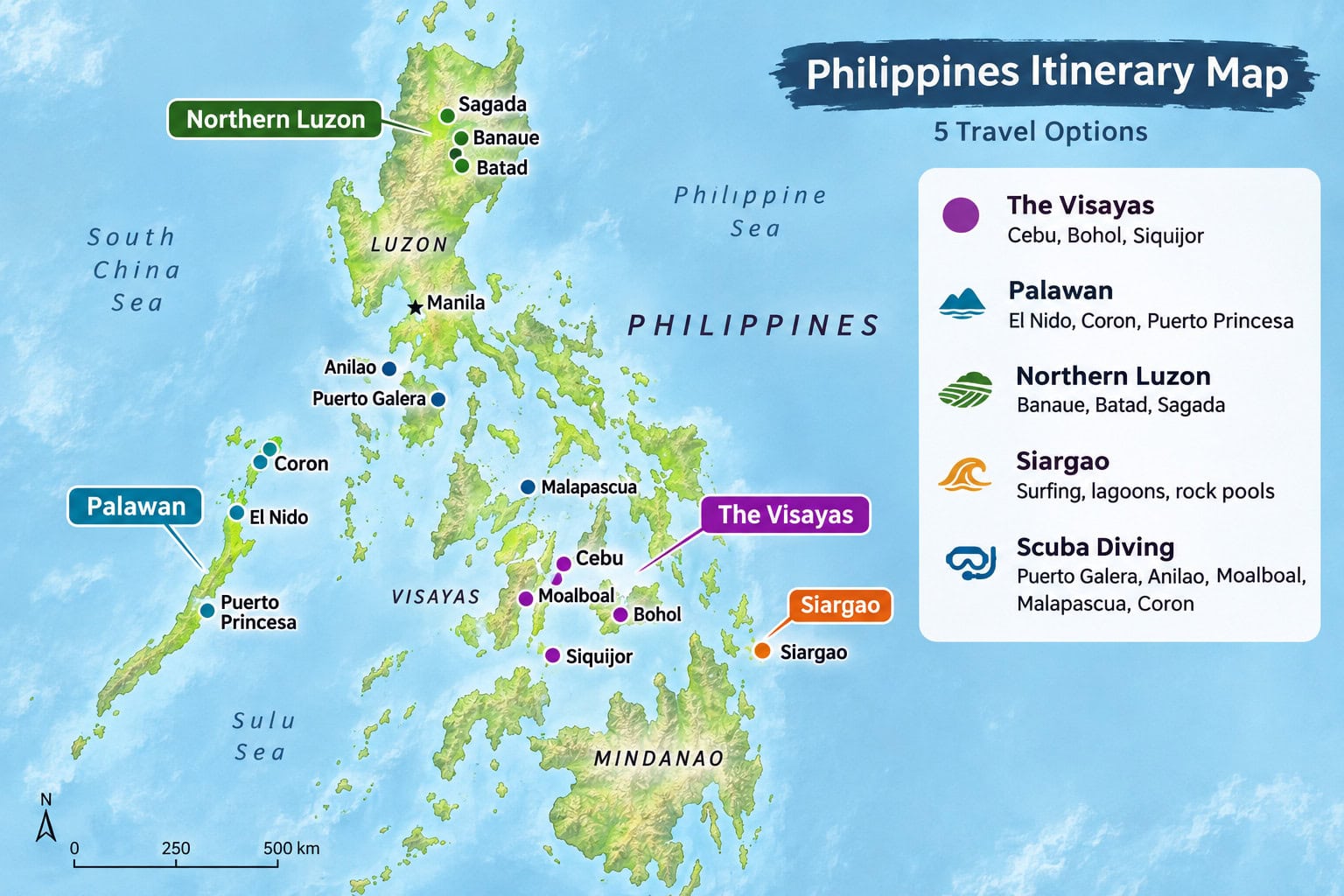
Depending on how much time you have and what interests you, these are the five regions I’d consider:
| Itinerary | Main Destinations | Best For |
|---|---|---|
| The Visayas | Cebu, Bohol, Siquijor | Waterfalls, snorkelling, beaches and adventure |
| Palawan | El Nido, Coron, Puerto Princesa | Island hopping, limestone cliffs and scenery |
| Northern Luzon | Banaue, Batad, Sagada | Rice terraces, hiking and culture |
| Siargao | Siargao Island | Surfing, lagoons, rock pools and backpacker scene |
| Scuba Diving | Puerto Galera, Anilao, Moalboal, Malapascua, Coron | Diving, reefs, wrecks and marine life |
If it’s your first time visiting the Philippines, I’d recommend starting with Palawan or the Visayas. Both offer many of the experiences the Philippines is famous for, from incredible island hopping and beautiful beaches to waterfalls, snorkelling and diving.
If you’re still deciding where to go, check out my guide to the best islands in the Philippines to see which ones appeal to you most.
Philippines Itinerary Planning Tips: What I’ve Learned From Four Trips
- Give yourself 2 to 3 nights per destination. I’ve found this is a good amount of time for most places in the Philippines. It gives you enough time to see the main attractions without feeling rushed, although some destinations are worth staying longer.
- Choose your arrival airport carefully. If you’re exploring the Visayas, consider flying directly into Cebu or Bohol rather than connecting through Manila. It could save you an entire travel day.
- Compare flights into alternative airports. Don’t rule out connecting through Manila if it saves you money. On my last trip, I saved $500 flying from Canada to Dumaguete via Manila, then took a two hour ferry to Bohol. Sometimes a little extra travel is worth the savings.
- Plan your arrival around jet lag. I’d recommend arriving in the late afternoon or early evening if possible. It’s much easier to stay awake for a few hours than fight through an entire day exhausted.
- Allow extra time at Manila Airport. Traffic in Manila can be brutal, and airport lines can be long. Give yourself more time than you think you’ll need, especially when catching an international flight.
- Carry cash and smaller bills. The Philippines is still very much a cash based country, especially outside major cities. Getting change for large bills can be difficult, so I like booking accommodation online to save cash for everyday expenses.
- Prepare for long travel days. Getting between destinations often involves a combination of planes, ferries, buses, jeepneys and tricycles. Download offline maps, bring motion sickness tablets if you’re prone to seasickness and pack a sweater. Some of those air conditioned buses are absolutely freezing!
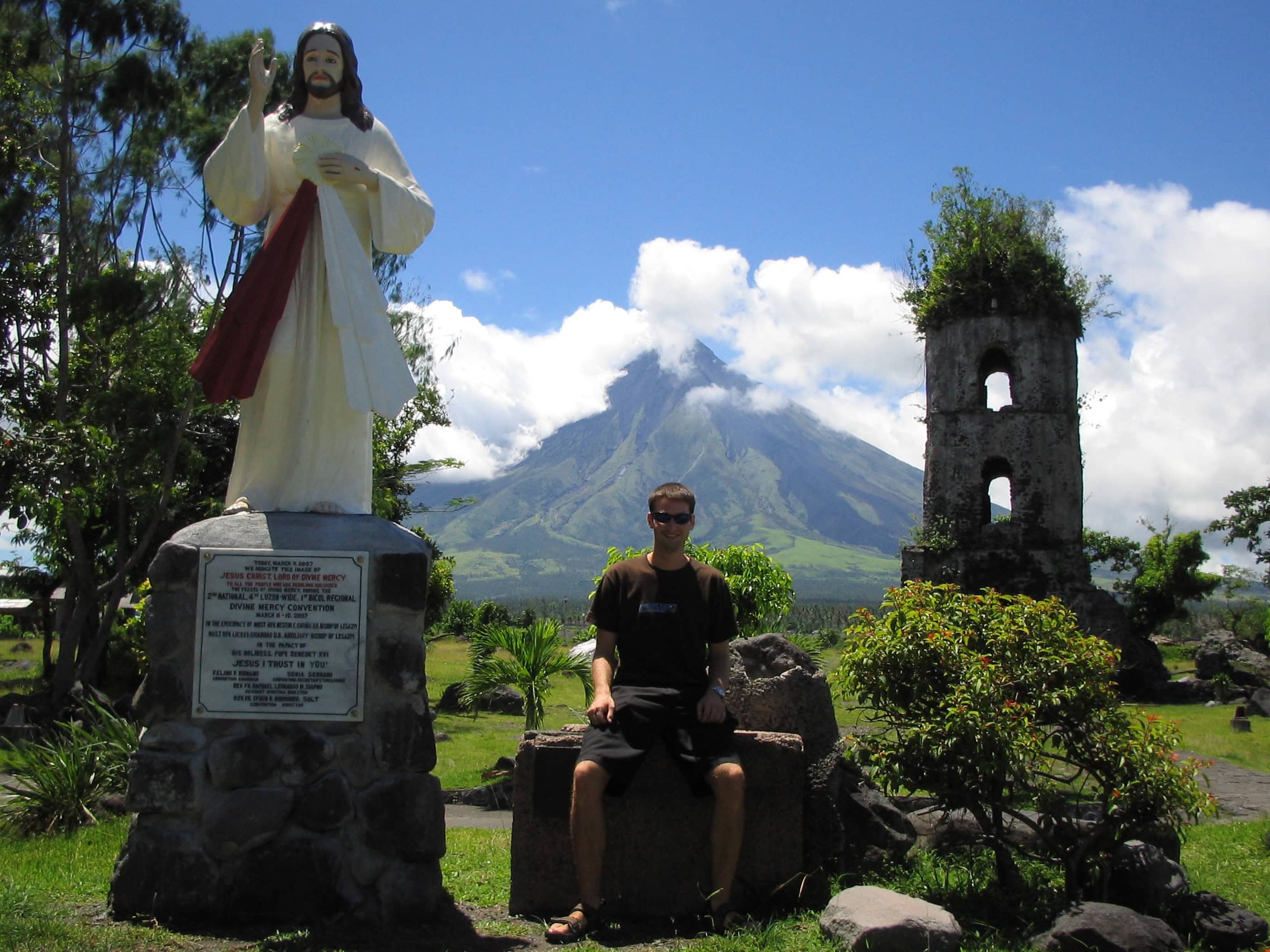
- Check the season before planning activities. I once took a roughly 15 hour bus journey from Manila to Legazpi hoping to see whale sharks, only to discover they weren’t in season. At least I got to see the spectacular Mayon Volcano!
How Many Days Do You Need in the Philippines?
You don’t need a month to enjoy the Philippines. There are plenty of places where you could spend an entire week and have a great holiday. The challenge is deciding how much you can realistically see without spending too much time travelling.
If you’re coming from North America, remember that long flights and crossing the International Date Line can eat into your holiday. Seven days is doable, but I’d recommend at least ten if you’re travelling that far.
- 5 to 7 days: Stick to one destination, such as Boracay, Bohol or Puerto Galera. Choose somewhere relatively easy to reach so you can spend more time enjoying your holiday.
- 10 days: Pick one region, such as Palawan or the Visayas, and visit two or three destinations. Allow for travel days between stops.
- 2 weeks: Explore three or four destinations within one region, or combine two well connected areas if you’re comfortable with a faster pace.
- 3 weeks: Combine two regions, such as Palawan and the Visayas. You’ll have enough time to enjoy the main attractions without changing locations every couple of days.
- 1 month: Explore three regions, such as Northern Luzon, Palawan and the Visayas. You’ll have time for some of the harder to reach destinations and a few days to relax along the way.
7 Day Philippines Itinerary: 5 Destinations I’d Recommend
If you only have a week in the Philippines, I’d stick to one destination. There are plenty of places where you could easily spend seven days without running out of things to do.
I’d also choose somewhere that’s relatively easy to reach from Manila or Cebu. With only a week, you don’t want to waste too much time getting around.
1. Puerto Galera: Diving, Beaches and Nightlife
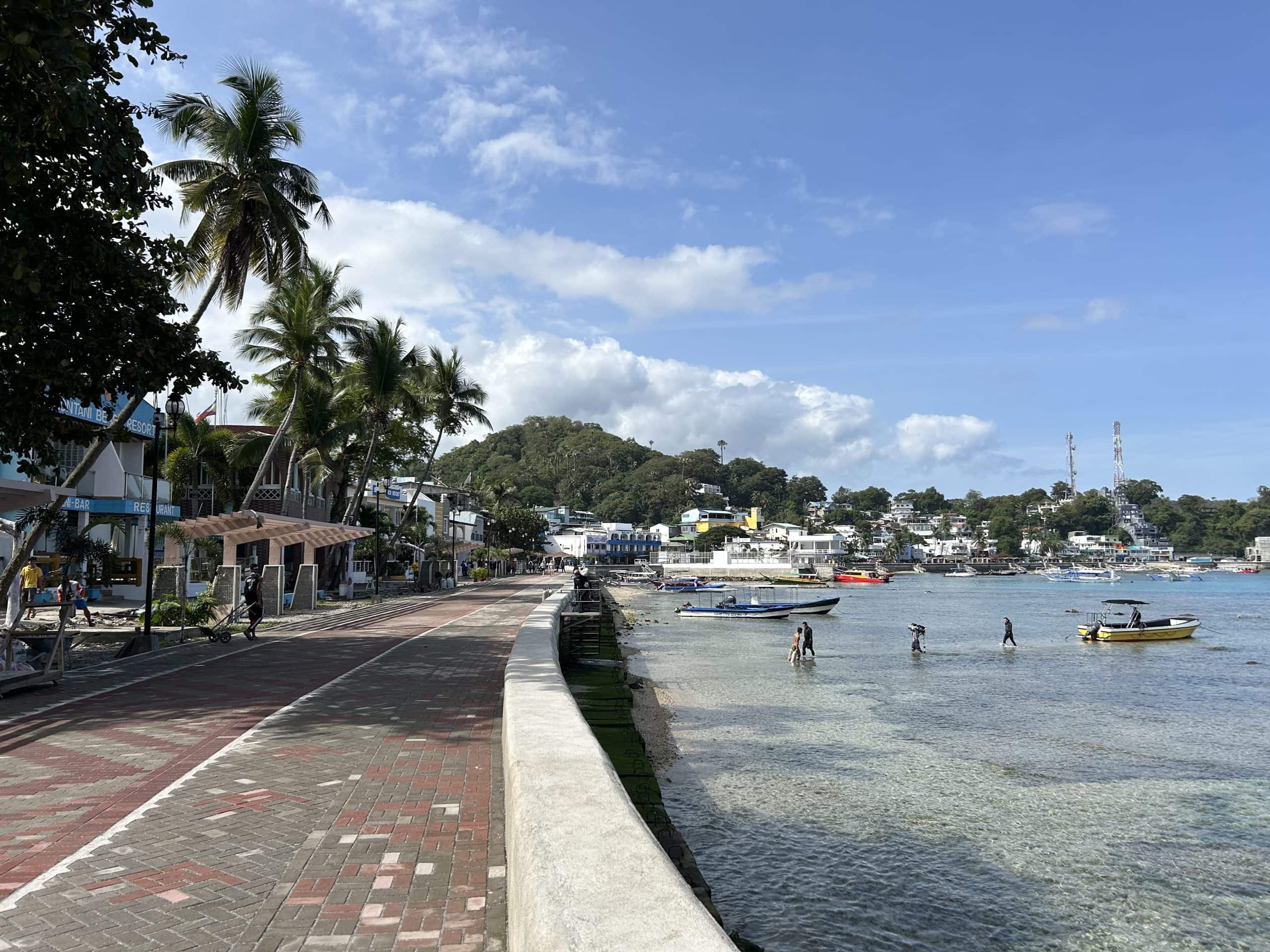
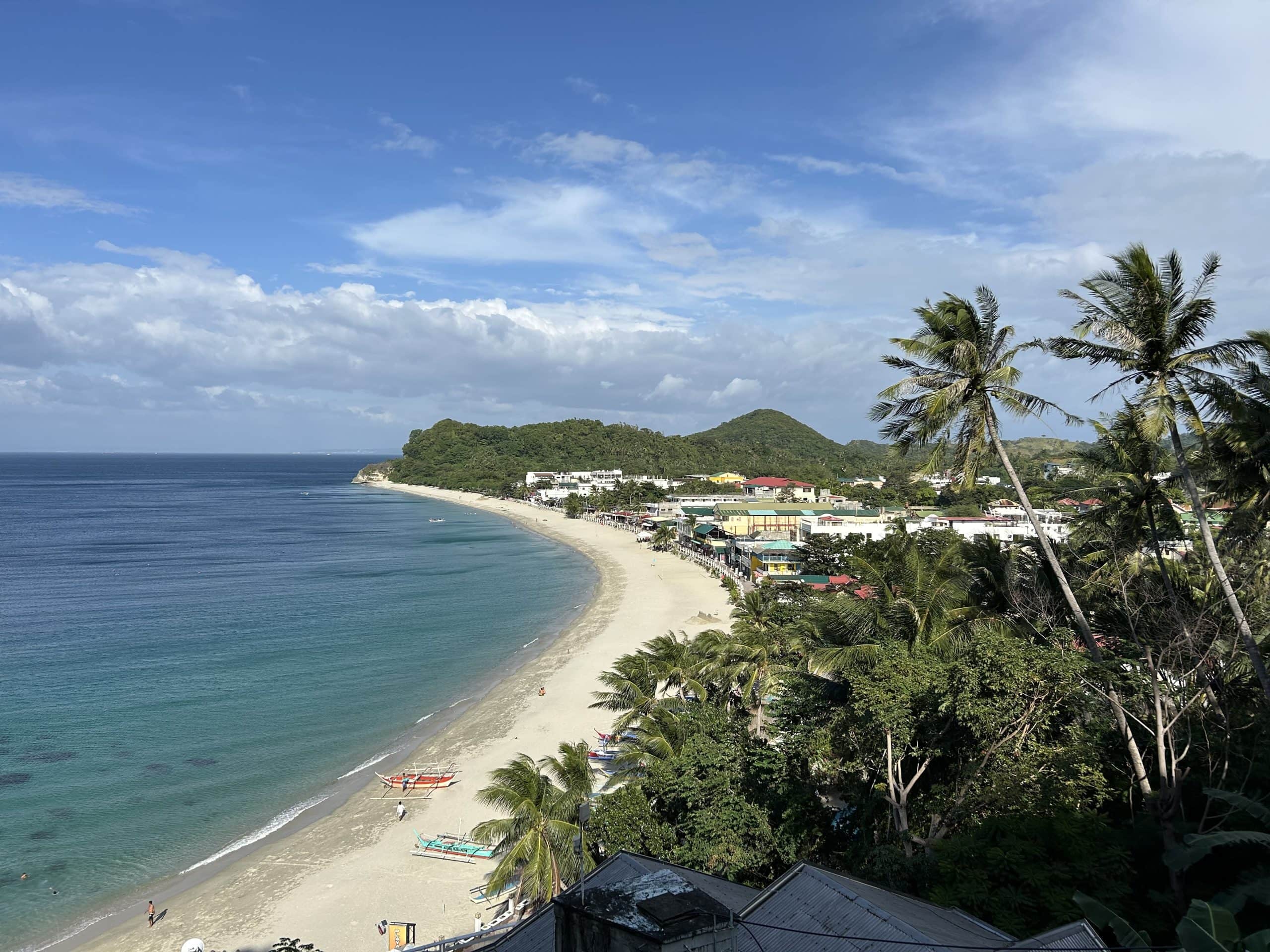
Puerto Galera is one of my favourite places in the Philippines, and I’ve visited several times since 2007. It’s a great option if you’re flying into Manila and want a beach holiday without taking another flight.
You can catch a bus from Manila to Batangas, followed by a ferry to Puerto Galera. I’ve covered the journey in my Manila to Puerto Galera transportation guide.
White Beach is great for swimming and relaxing, while Sabang is known for its excellent scuba diving, restaurants and nightlife.
2. Boracay: The Ultimate Beach Holiday
Boracay is hard to beat if you’re looking for beautiful beaches, great restaurants and plenty of nightlife.
White Beach is one of the best beaches I’ve visited anywhere. There’s a huge range of accommodation, from budget hotels to luxury resorts, along with watersports and activities for families.
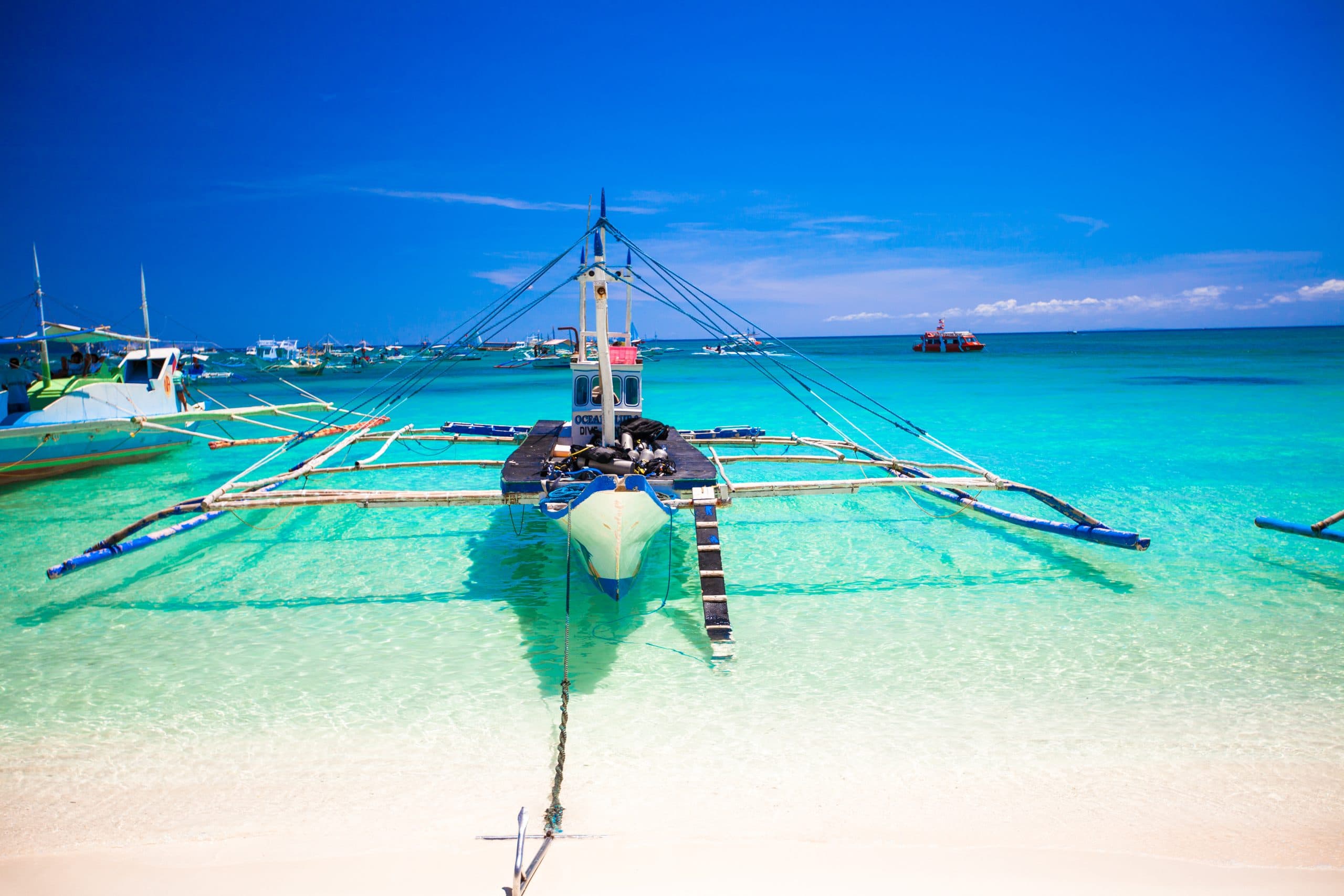
Fly into Caticlan from Manila or Cebu, then take a short ferry to the island. Once you’re there, you can easily spend the entire week enjoying Boracay.
3. Moalboal: Snorkelling, Waterfalls and Adventure
Moalboal is one of my top picks for an active holiday. You can swim with millions of sardines just offshore, scuba dive around Pescador Island, go canyoneering at Kawasan Falls and relax at White Beach.

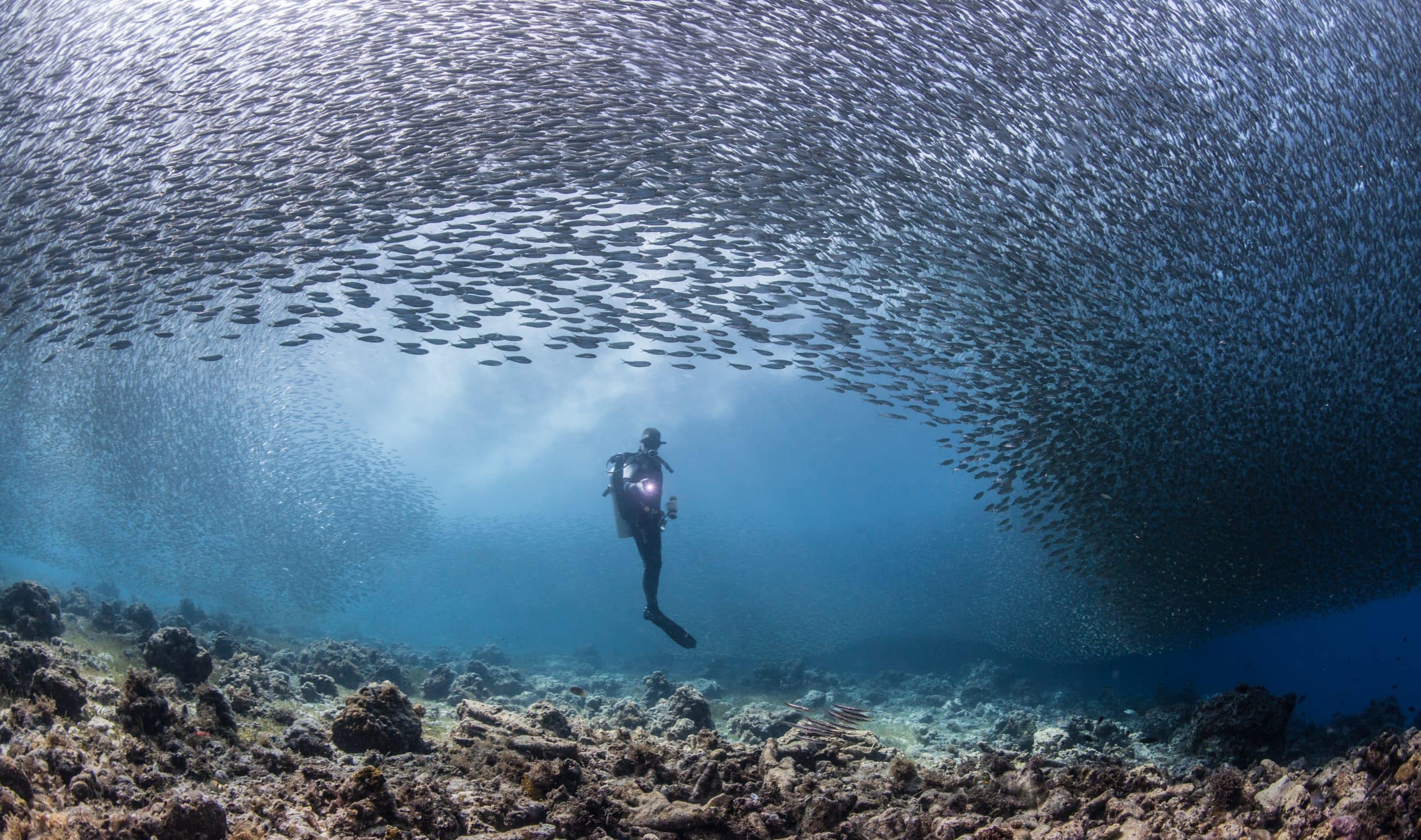
I’ve done all of these, and the sardine run and canyoneering were two of my favourite experiences in the Philippines.
Fly into Cebu and allow around three to four hours to reach Moalboal.
My 5 day Moalboal itinerary covers the main attractions, and I’ve also written a Kawasan Falls canyoneering guide if you’re planning to give it a try.
You can also watch my canyoneering video on YouTube to see what it’s actually like.
4. Malapascua: A Scuba Diver’s Paradise
If you’re visiting the Philippines primarily for scuba diving, Malapascua is worth considering. This small island off northern Cebu is famous for its thresher sharks, with plenty of other dive sites to explore.
Getting there takes some effort. You’ll need to fly into Cebu, travel north by bus or private transfer and catch a ferry to the island. Allow most of the day for the journey.
Once you’re there, it’s an excellent place to spend a week diving and enjoying the laid back island atmosphere.
5. Bohol: A Bit of Everything

Bohol is one of the best options for first time visitors because you can experience so many of the Philippines’ famous attractions without travelling far.
You’ve got the Chocolate Hills, tarsiers, Loboc River, beautiful beaches around Panglao and excellent diving at Balicasag Island. Alona Beach also has plenty of restaurants, bars and accommodation.
You can fly directly into Bohol Panglao International Airport or arrive in Cebu and take a ferry across.
I’d set aside a day for the Bohol Countryside Tour, which visits several of the island’s main attractions. My Bohol travel guide covers plenty more things to see and do.
10 Day Philippines Itinerary: Palawan
With ten days in the Philippines, you have enough time to explore a couple of destinations without constantly packing your bags. I’d still stick to one region, with Palawan being my top choices.
Option 1: Puerto Princesa, El Nido and Coron, Palawan

For ten days in Palawan, I’d start in Puerto Princesa, work my way north to El Nido and finish in Coron. Puerto Princesa generally has more affordable flight options, and this route lets you see some of the best scenery in the Philippines without backtracking.
Here’s how I’d plan it:
- Day 1: Arrive in Puerto Princesa and settle in.
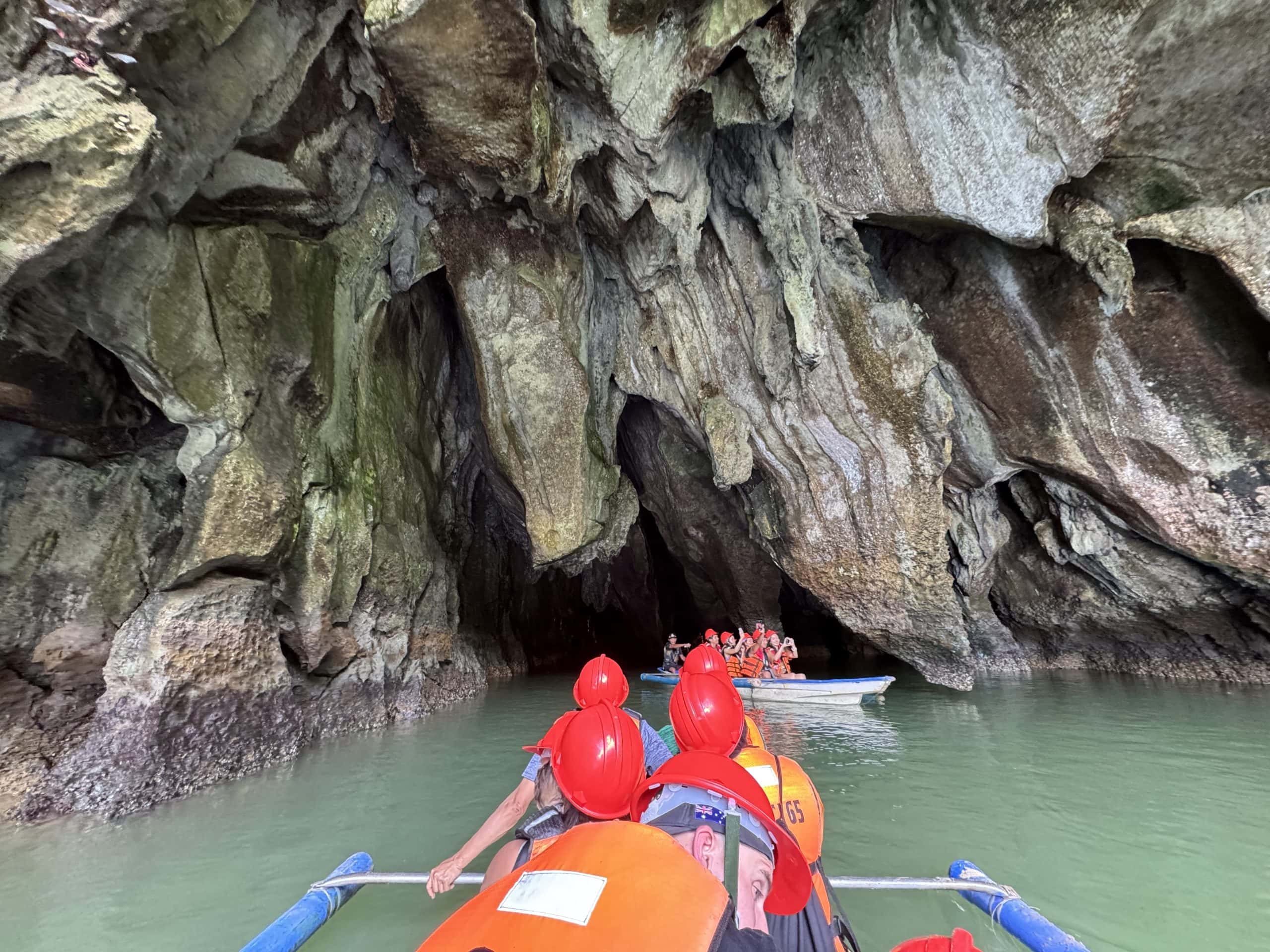
- Day 2: Visit the Underground River. It’s a full day trip and one of the most interesting experiences I’ve had in Palawan.
- Day 3: Travel to El Nido by bus or van, allowing around 6 to 7 hours. I’ve tried the shared van and would recommend the more comfortable bus. See my Puerto Princesa to El Nido guide.
- Days 4 to 6: Explore El Nido. There are four main island hopping tours, plus excellent beaches, snorkelling, scuba diving, restaurants and nightlife. I’d prioritize Tour A, which was my favourite of the two tours I tried. See my El Nido Tour A vs Tour C comparison, or watch the full video here.

- Day 7: Take the ferry from El Nido to Coron, generally around 4 to 5 hours.
- Days 8 to 9: Explore Coron. I’d book the full day Super Ultimate Tour to see the famous lakes and lagoons. If you’re a diver, the Japanese WWII shipwrecks are incredible and worth setting aside at least one or two diving days for.
- Day 10: Fly out of Coron via Busuanga Airport.
2 Week Philippines Itinerary: Bohol, Negros and Cebu
A few years ago, I spent two weeks travelling through Bohol, Negros and Cebu. It’s a route I’d recommend, especially if you enjoy scuba diving, beautiful beaches, waterfalls and a good mix of adventure and relaxation.
If possible, fly into Cebu rather than Manila. Even better, look for flights directly into Bohol Panglao International Airport. There are connections through several major Asian cities, and you could save yourself the hassle of getting through Cebu City and catching a ferry.
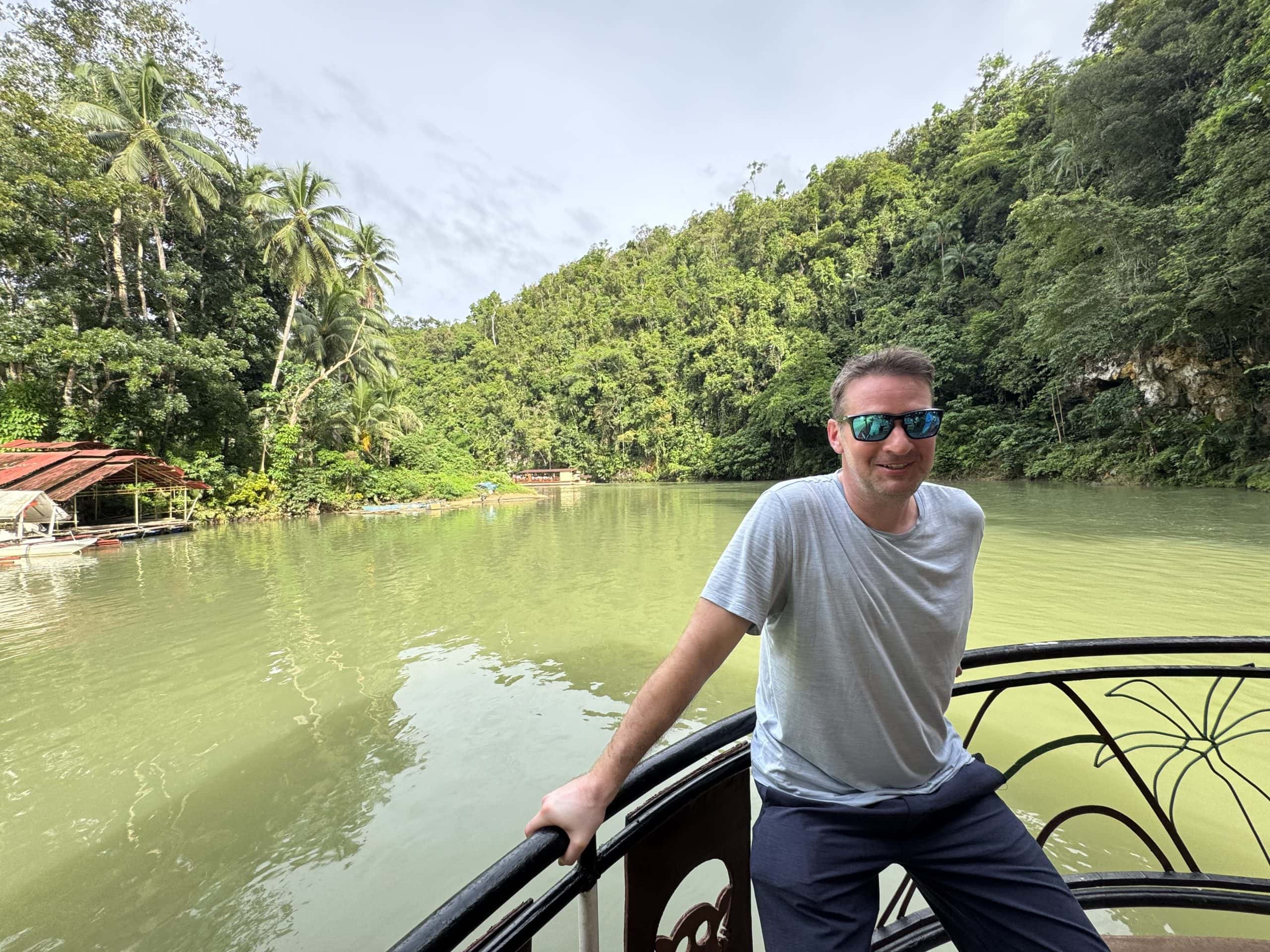
Here’s how I’d plan the two weeks.
- Days 1 to 4: Bohol. Base yourself around Panglao, where you’ll find great beaches, restaurants and some excellent scuba diving at Doljo Point and Balicasag Island. Spend a day exploring the countryside, including the Chocolate Hills, tarsiers, Loboc River and hanging bridges. I’d give Bohol at least three full days. Check out my Bohol travel guide for more ideas.
- Day 5: Travel to Negros. Take the ferry from Bohol to Dumaguete and make your way to Dauin if you’re staying near the dive resorts. Allow around half a day for the journey.
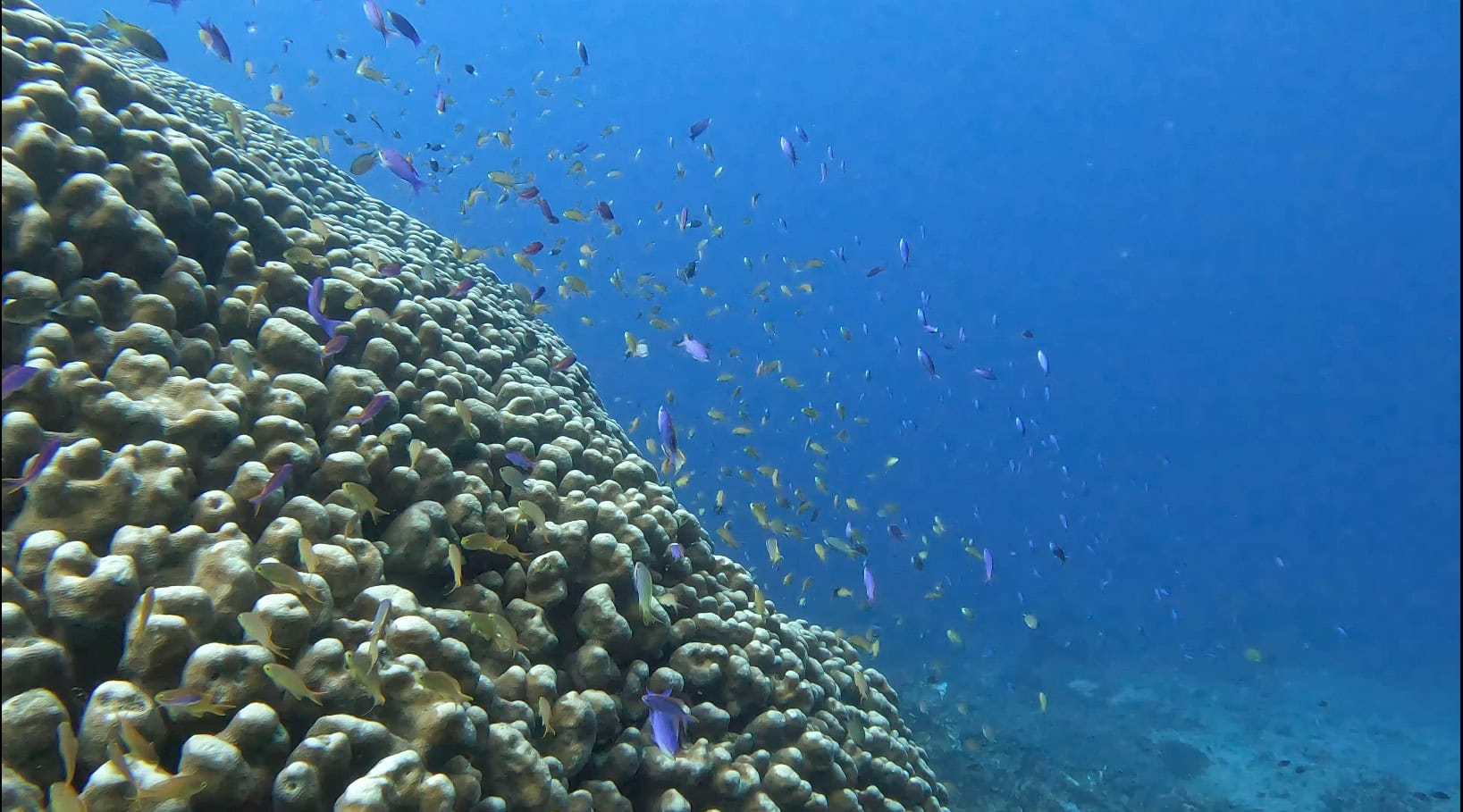
- Days 6 to 7: Dumaguete and Dauin. I’d only include this stop if you’re serious about scuba diving. The area has some outstanding dive sites, particularly Apo Island and the muck diving around Dauin. I did three dives in one day at Apo Island and could easily have spent another couple of days underwater. If you don’t dive, I’d skip Negros and use the extra time elsewhere.
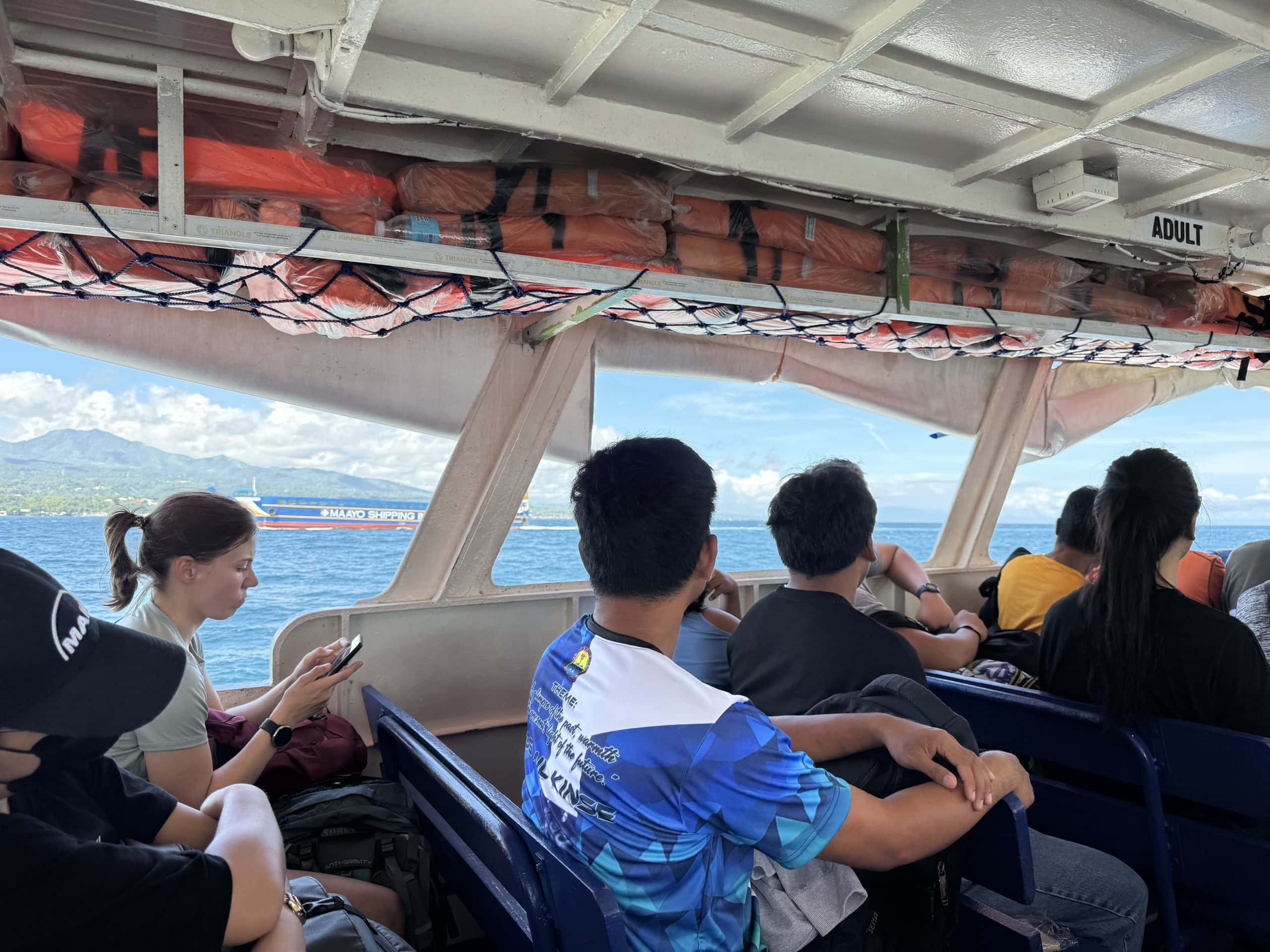
- Day 8: Travel to Moalboal. I took a combination of jeepneys, a ferry and a bus from Dumaguete to Moalboal. It took around half a day, but the journey was fairly straightforward.
- Days 9 to 11: Moalboal. This is one of my favourite places in the Philippines. You’ve got the famous sardine run, Kawasan Falls canyoneering, diving at Pescador Island and White Beach. I also rented a motorbike for a day to explore the surrounding area. Panagsama Beach has plenty of restaurants and a fun nightlife scene. My Moalboal itinerary covers what I’d recommend doing here.
- Days 12 to 13: Cebu City. Head back to Cebu City for your final couple of nights. One full day is enough to see the main attractions and get a feel for the city. I’ve covered what I think is worth seeing in my guide to whether Cebu City is worth visiting.
- Day 14: Fly home from Cebu.
Other Options for Your Two Weeks
You don’t have to follow my exact route. Depending on your interests, there are a few other places worth considering.
- Siquijor: Known for its waterfalls, beaches and relaxed atmosphere. It’s relatively easy to reach from Bohol or Negros and deserves a few days. I haven’t made it there yet, but it’s somewhere I’d like to visit.
- Malapascua: If scuba diving is your priority, consider heading north from Cebu City to Malapascua for its famous thresher shark dives. Allow at least three nights to make the journey worthwhile.
- Boracay: If you’d prefer a few days on one of the world’s best beaches, consider adding Boracay instead. You’ll need to arrange a flight, but it’s a great place to finish your trip with some beach time.
1 Month Philippines Itinerary: The Best Route for 30 Days
With a month in the Philippines, you can follow a fairly logical route through Luzon, Palawan and the Visayas before finishing in Siargao. It’s roughly a loop around some of the country’s best destinations, with a mix of flights, ferries and buses along the way.
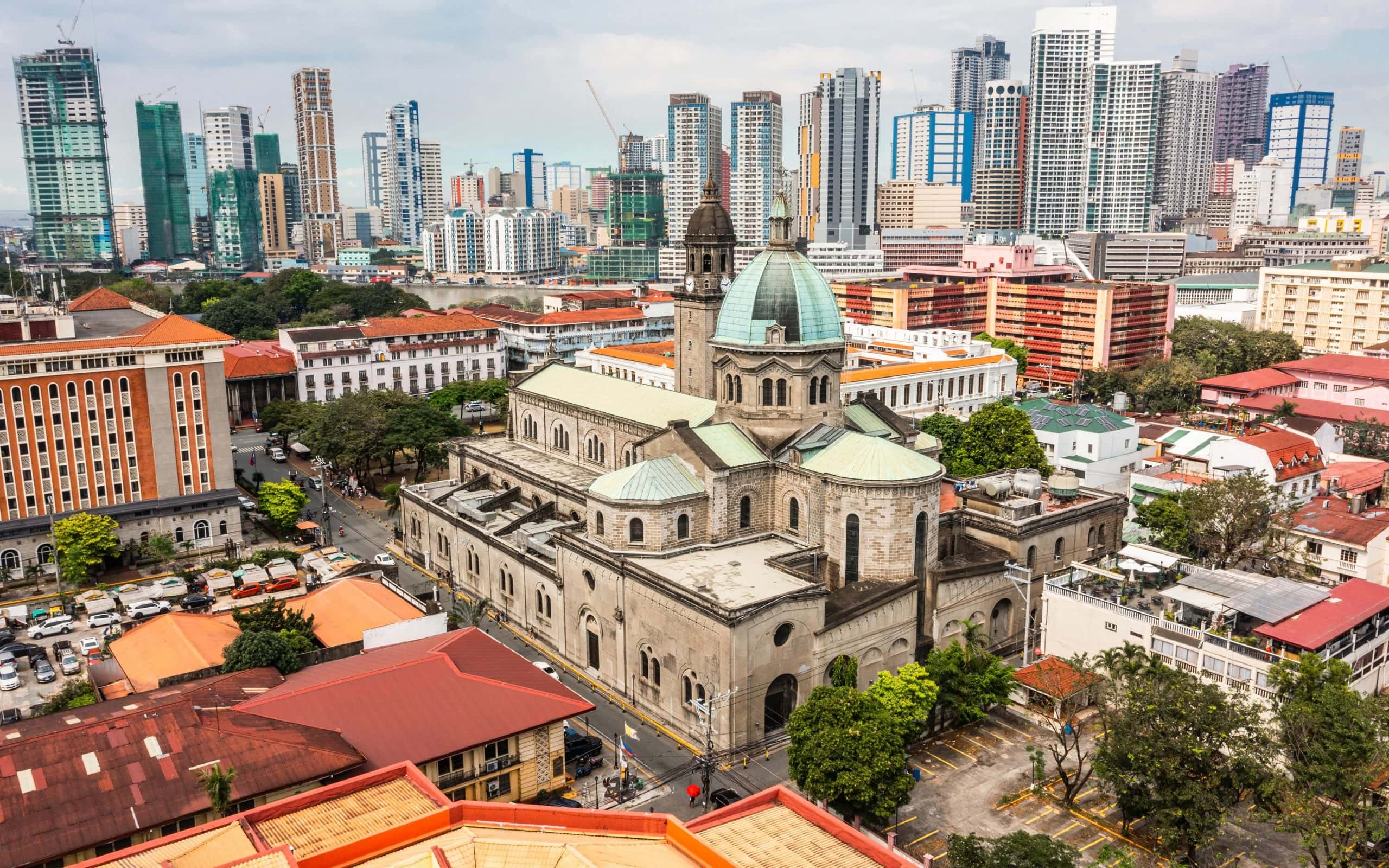
If I were planning a month long trip, here’s the route I’d take:
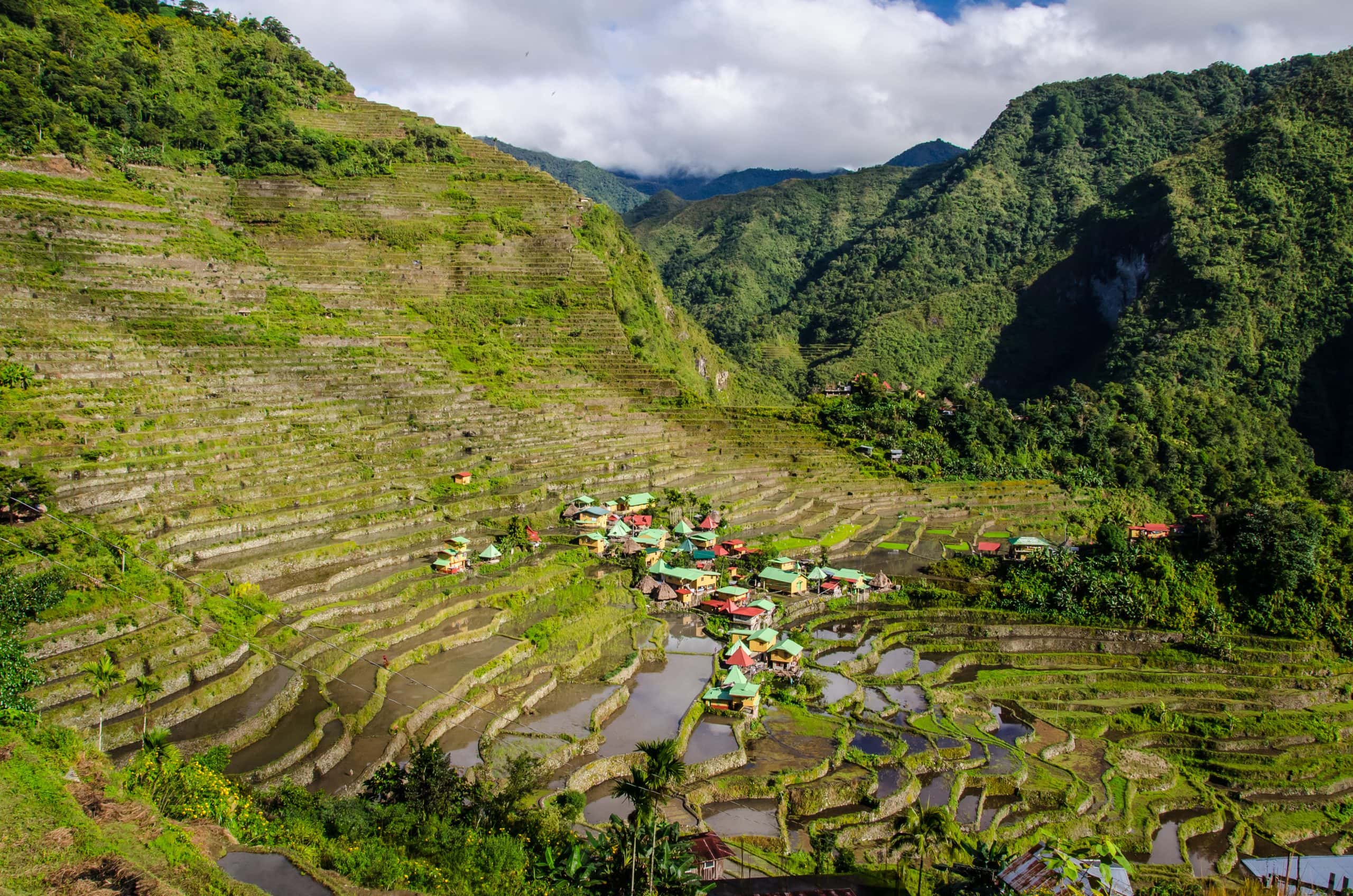
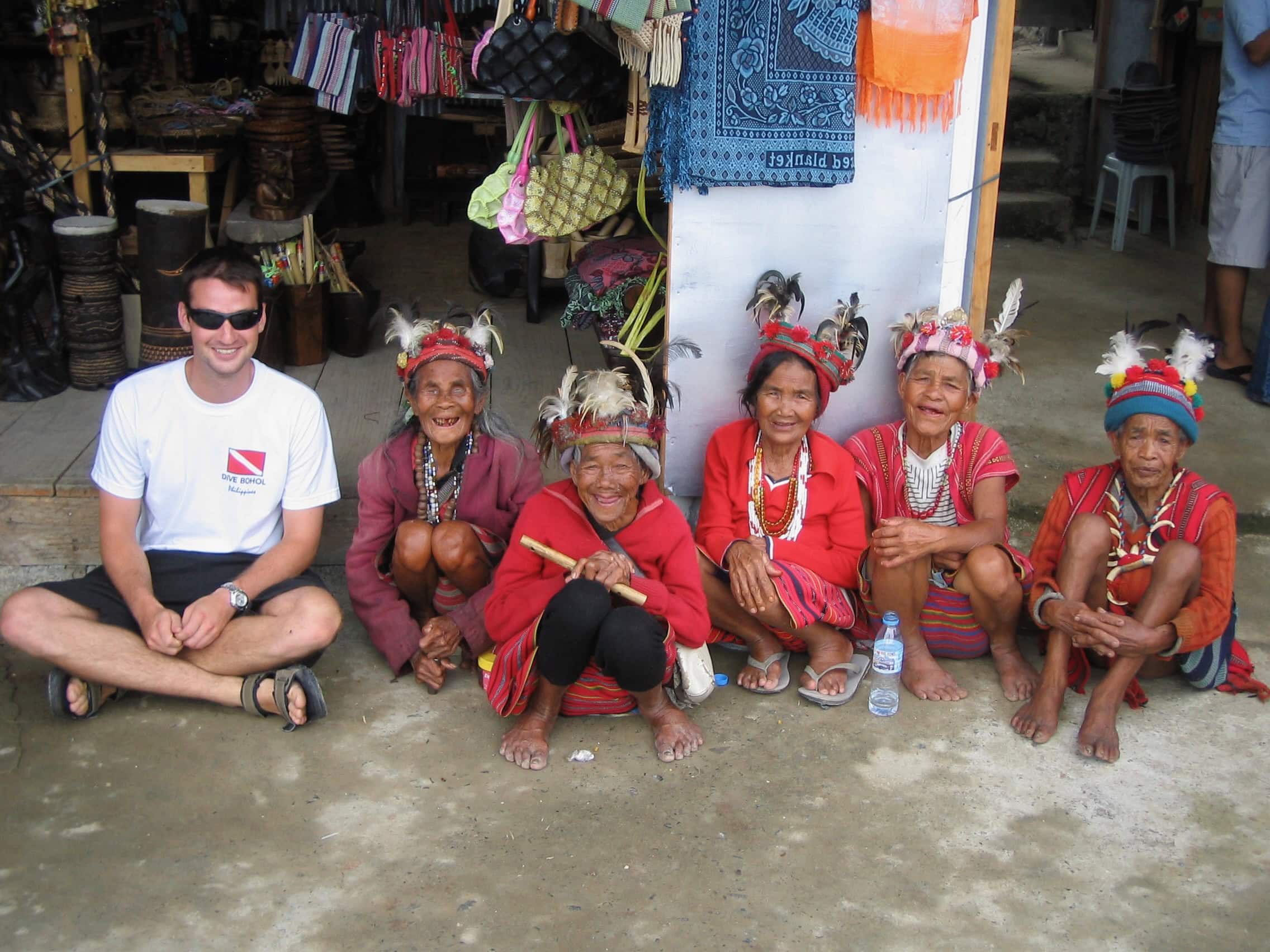
- Manila and Luzon: Start in Manila and spend a few days exploring Luzon. I’d consider the Banaue Rice Terraces, Sagada, Tagaytay or Baler, depending on your interests.
- Palawan: Fly to either Coron or Puerto Princesa and work your way north or south through El Nido, visiting the main highlights along the way.
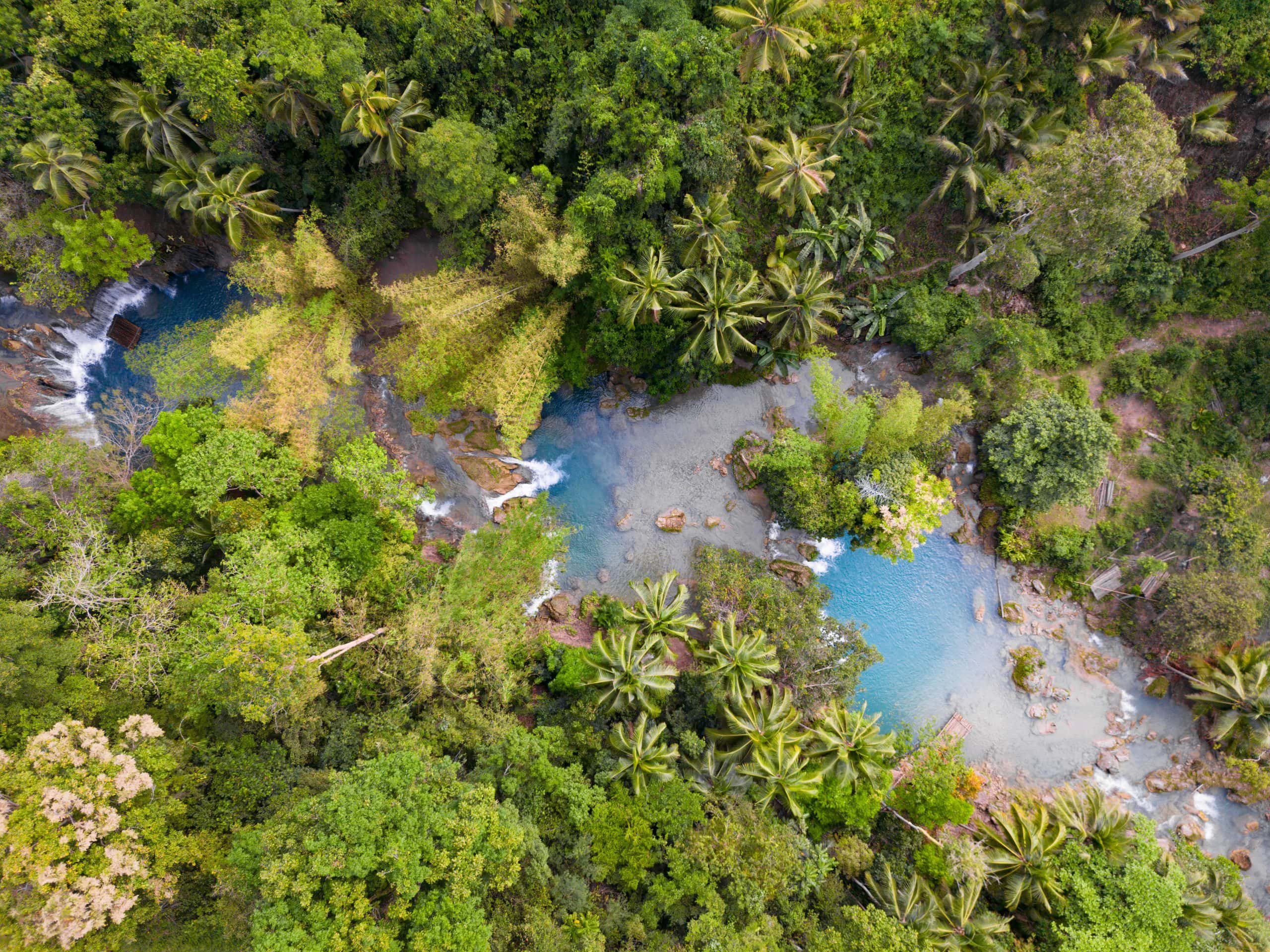
- Cebu: Fly to Cebu City and head north to Malapascua for thresher shark diving before travelling south to Moalboal for the sardine run and Kawasan Falls.
- Negros: Take the bus and ferry from southern Cebu to Dumaguete and Dauin. I’d only include this stop if you’re a scuba diver, particularly for the diving around Apo Island.
- Siquijor: Catch a ferry from Negros and spend a few days exploring the island’s waterfalls and beaches.
- Bohol: Continue by ferry to Bohol for the Chocolate Hills, tarsiers, beaches and diving around Balicasag Island.
- Siargao: Finish with a flight to Siargao for surfing, island hopping and the lively restaurant and nightlife scene around General Luna.
From Siargao, you can fly back to Manila or Cebu for your international flight.
It’s a busy route, so I’d pick the places that interest you most rather than trying to see everything. If you’re having trouble deciding, my Best Islands in the Philippines guide can help you choose.
How to Get Around the Philippines

Getting around the Philippines usually involves a mix of flights, ferries, buses and local transportation. Domestic flights are often surprisingly affordable, so don’t be afraid to fly between regions rather than spending an entire day travelling.
Here are a few things I’ve learned from my trips:
- Domestic flights: Compare flights before planning your route. Cebu and Manila are the main international hubs, but search around as there can be deals to secondary airports.
- Manila’s airport has several terminals that aren’t directly connected, so check which terminal you’re arriving at and departing from. Getting between them can take longer than you’d expect, especially with Manila’s traffic. I’d leave plenty of time for connections.
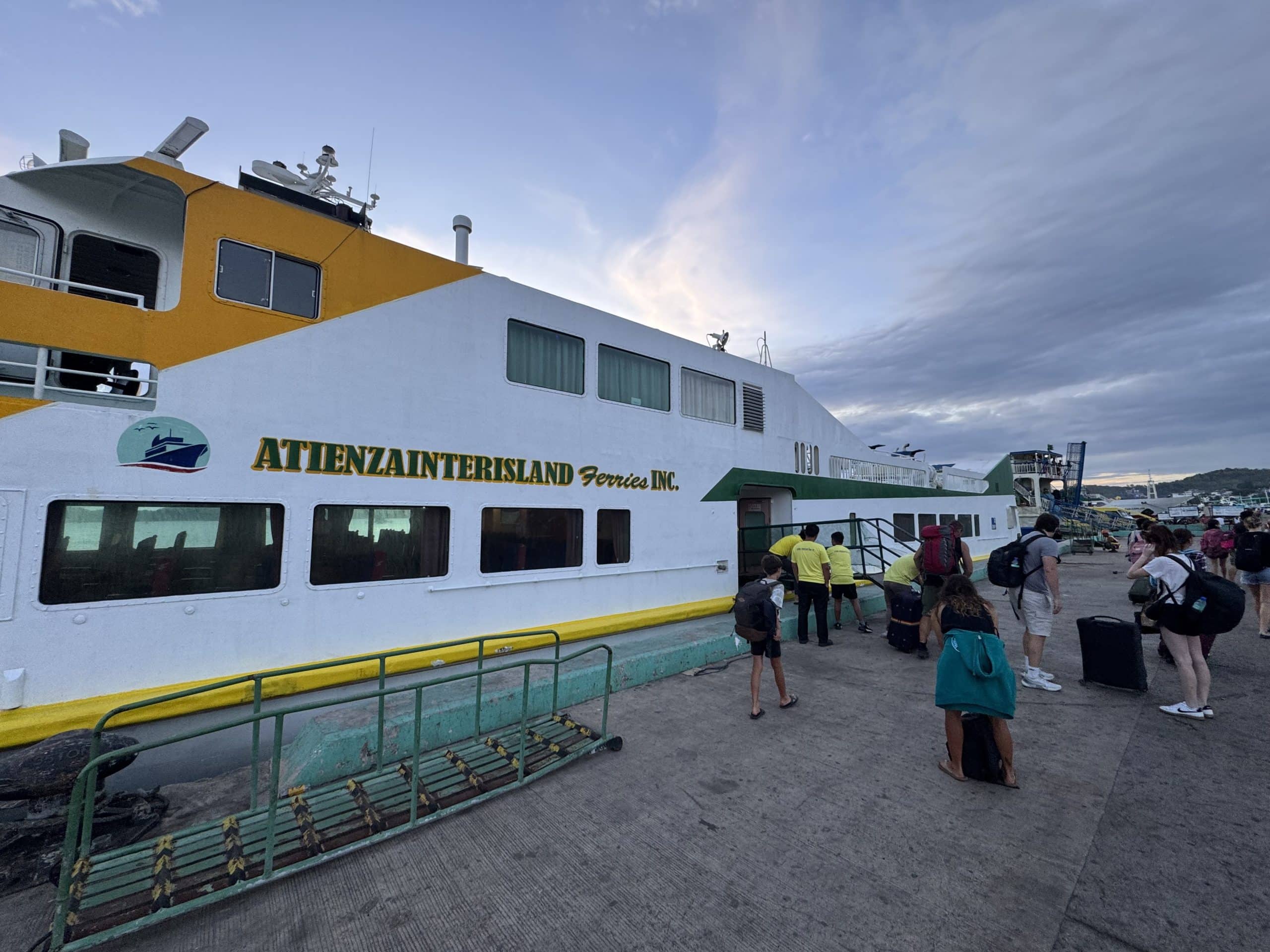
- Ferries: Necessary for travelling between nearby islands. You can compare ferry and bus routes on 12Go, but always double check schedules, especially during bad weather.
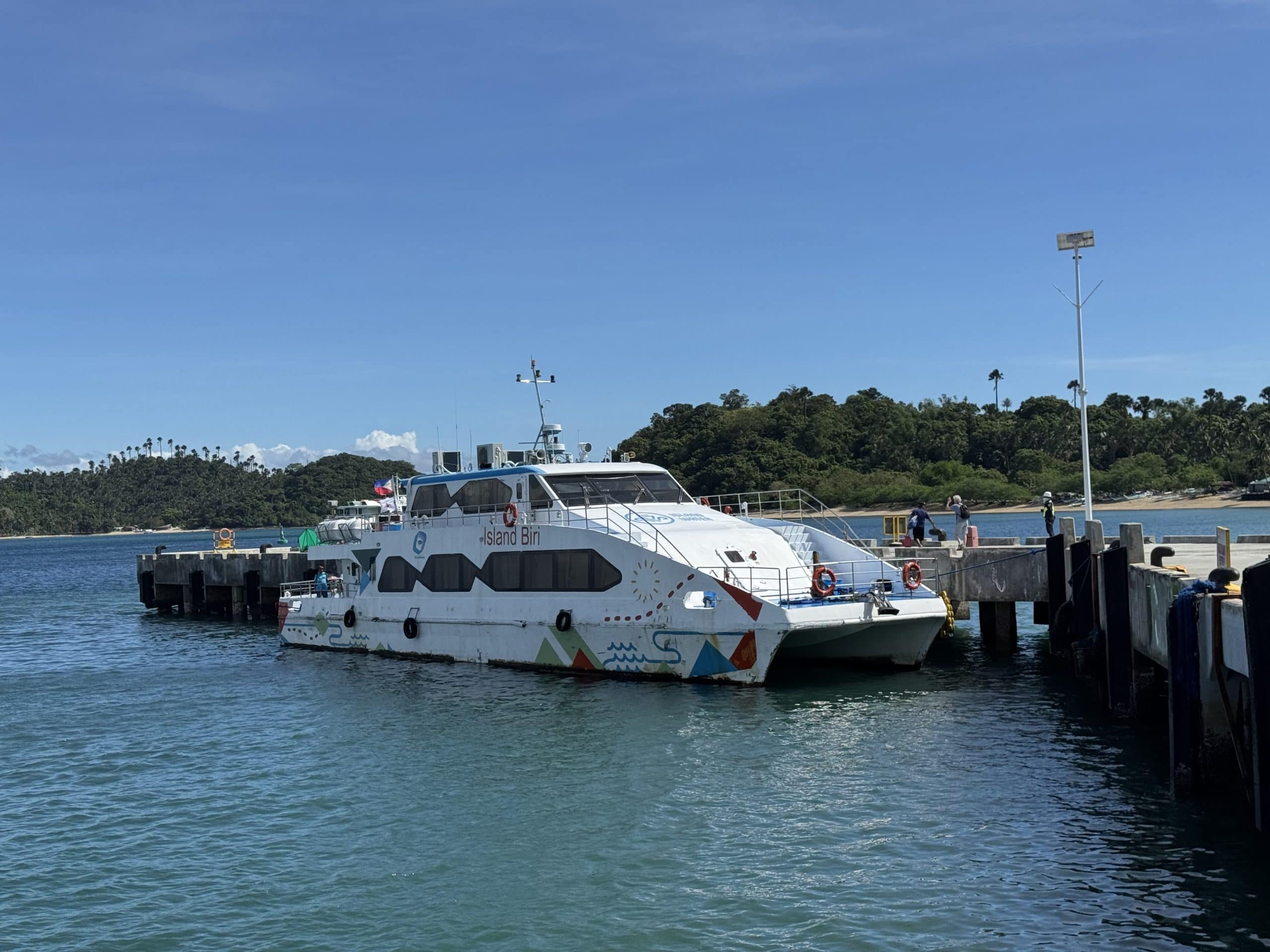
- Buses and vans: Journeys often take longer than expected. Shared vans can be cramped, and the air conditioning on buses and ferries can be freezing, so bring a light jacket.
- Taxis and Grab: In larger cities, I prefer using Grab, which works much like Uber. If taking a regular taxi, ask the driver to use the meter or agree on a price beforehand.
- Jeepneys and tricycles: Carry small bills and coins for local transportation. A small coin pouch is surprisingly useful to have as well.
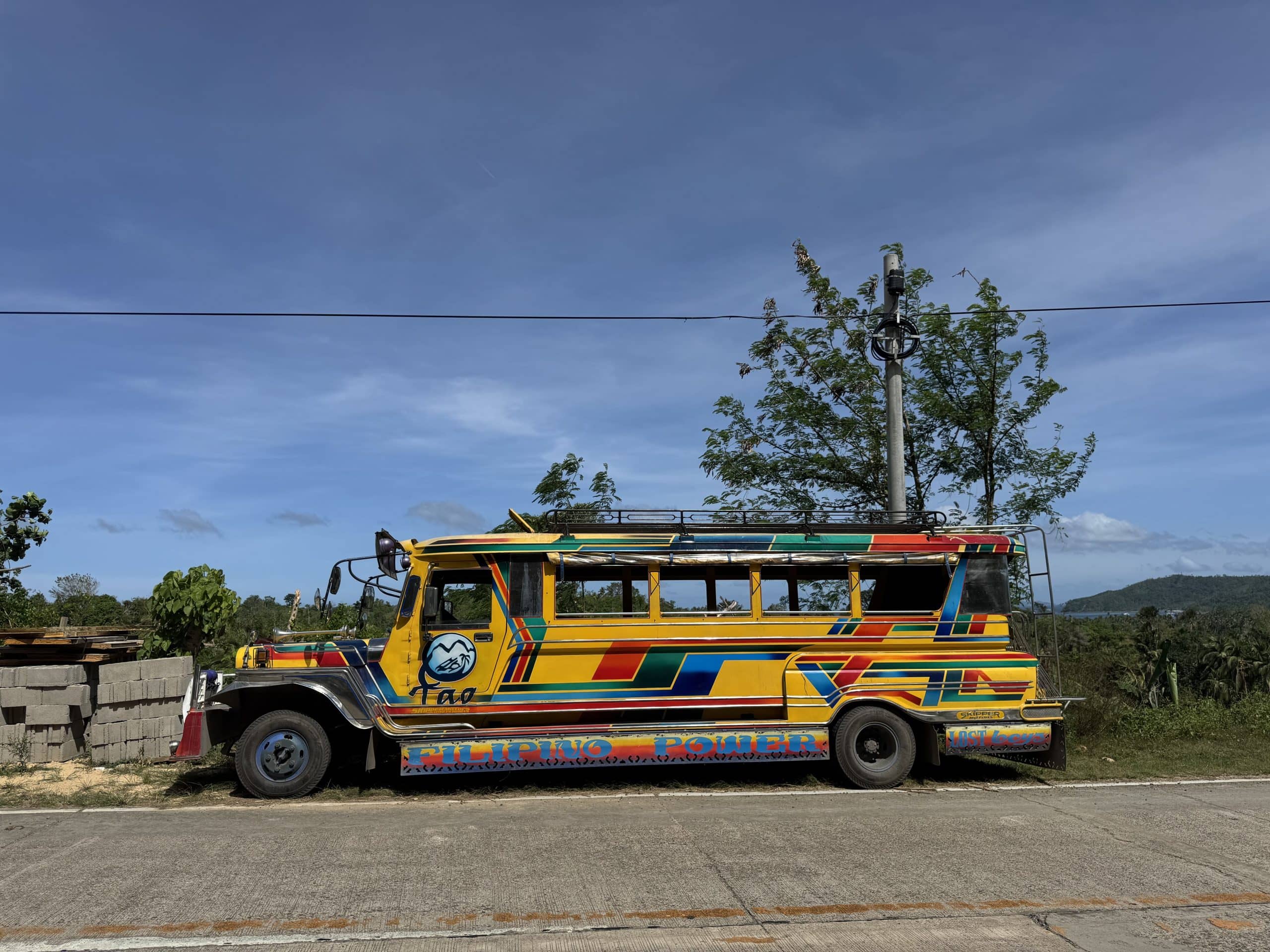
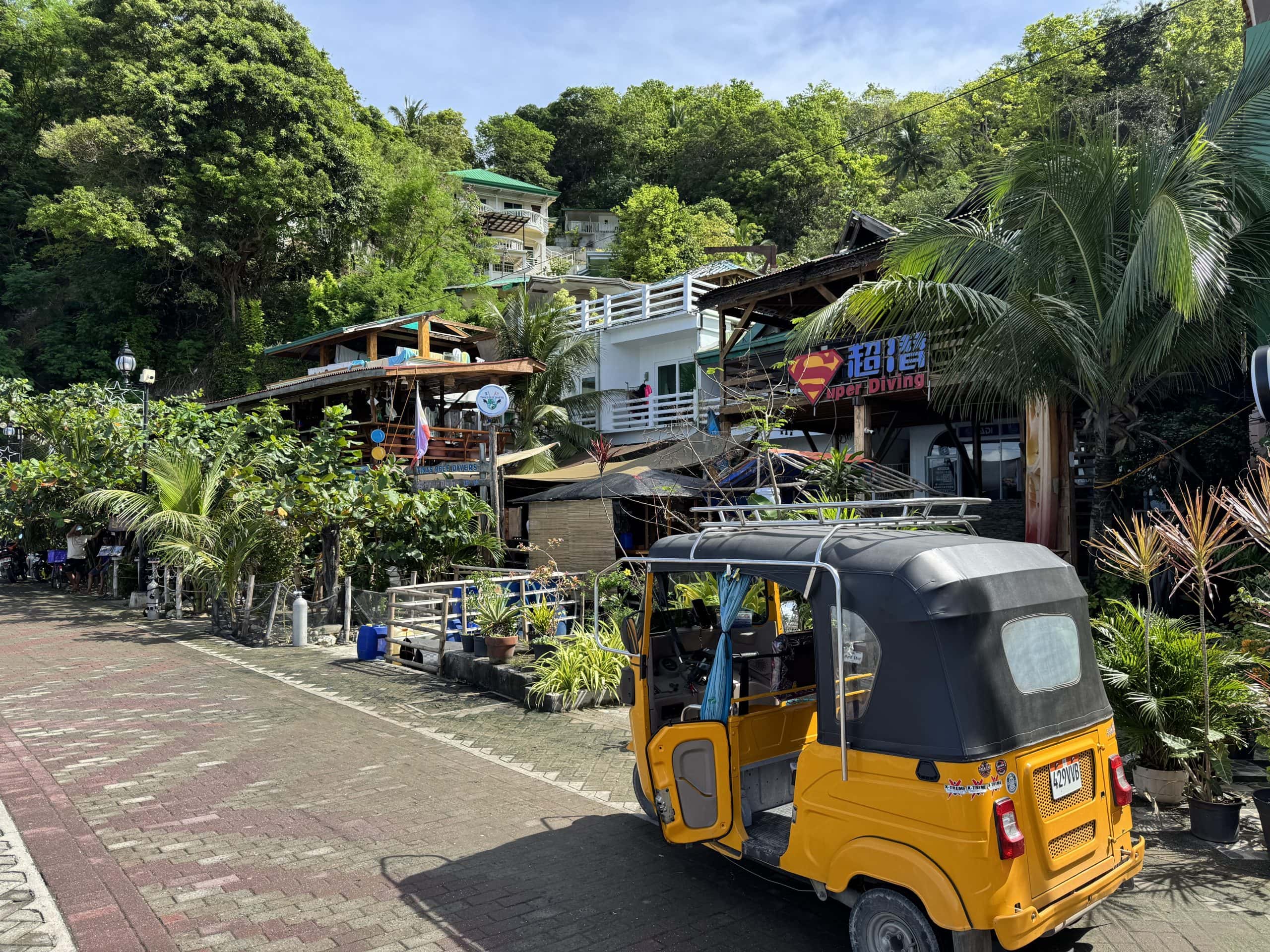
- Seasickness: Bring motion sickness medication if you’re prone to getting sick on ferries.
- Offline maps: Download maps before travelling. They’re especially helpful when you’re switching between buses, ferries and local transportation.
Typical Travel Times in the Philippines for Popular Destinations
| Route | Transport | Travel Time |
|---|---|---|
| Puerto Princesa to El Nido | Bus or van | 5–7 hours |
| El Nido to Coron | Ferry | 4–5 hours |
| Cebu City to Moalboal | Bus or car | 3–4 hours |
| Cebu City to Bohol | Fast ferry | Around 2 hours |
| Tagbilaran to Panglao | Road transfer | 30–60 minutes |
| Manila to Puerto Galera | Bus and ferry | 4–6 hours |
| Cebu City to Malapascua | Bus and boat | 5–7 hours |
Before You Fly: Philippines eTravel Registration
Don’t forget to complete the free Philippines eTravel form within 72 hours before arriving in the country. I’d do it at home rather than scrambling to complete it at the airport. Take a screenshot of your QR code in case you lose Wi-Fi.
Philippines Travel Budget: How Much Does a Trip Cost?
The Philippines can be surprisingly affordable compared to many destinations in North America or Europe. Of course, you can spend as much as you want, with plenty of luxury resorts, high end hotels and private tours available.
For most travellers, though, $100 USD per day is a comfortable budget. I’ve stayed in some surprisingly good hotels for around $30 USD a night, and meals can be inexpensive, especially at local restaurants.
Philippines Travel Budget Per Day
| Travel Style | Daily Budget Per Person |
|---|---|
| Budget | $35 to $60 USD |
| Midrange | $70 to $130 USD |
| High End | $150 to $250+ USD |
These are rough estimates, excluding international flights. Domestic flights, ferries and activities like scuba diving can increase your costs.
The Philippines is also very cash oriented. I’d book hotels and larger expenses online with a credit card when possible, saving cash for meals, local transportation and smaller purchases.
Philippines Travel Budget FAQs
Is $100 USD a Day Enough in the Philippines?
Absolutely. From my experience, $100 USD a day can cover a decent hotel, meals, local transportation and activities. You might spend more on days when you’re scuba diving or taking organized tours.
Is $2,000 Enough for a Two Week Philippines Trip?
Yes, $2,000 USD is a reasonable budget for two weeks, excluding international flights. That’s roughly $143 per day, giving you room for comfortable accommodation, meals, transportation and several paid activities.
Best Time to Visit the Philippines
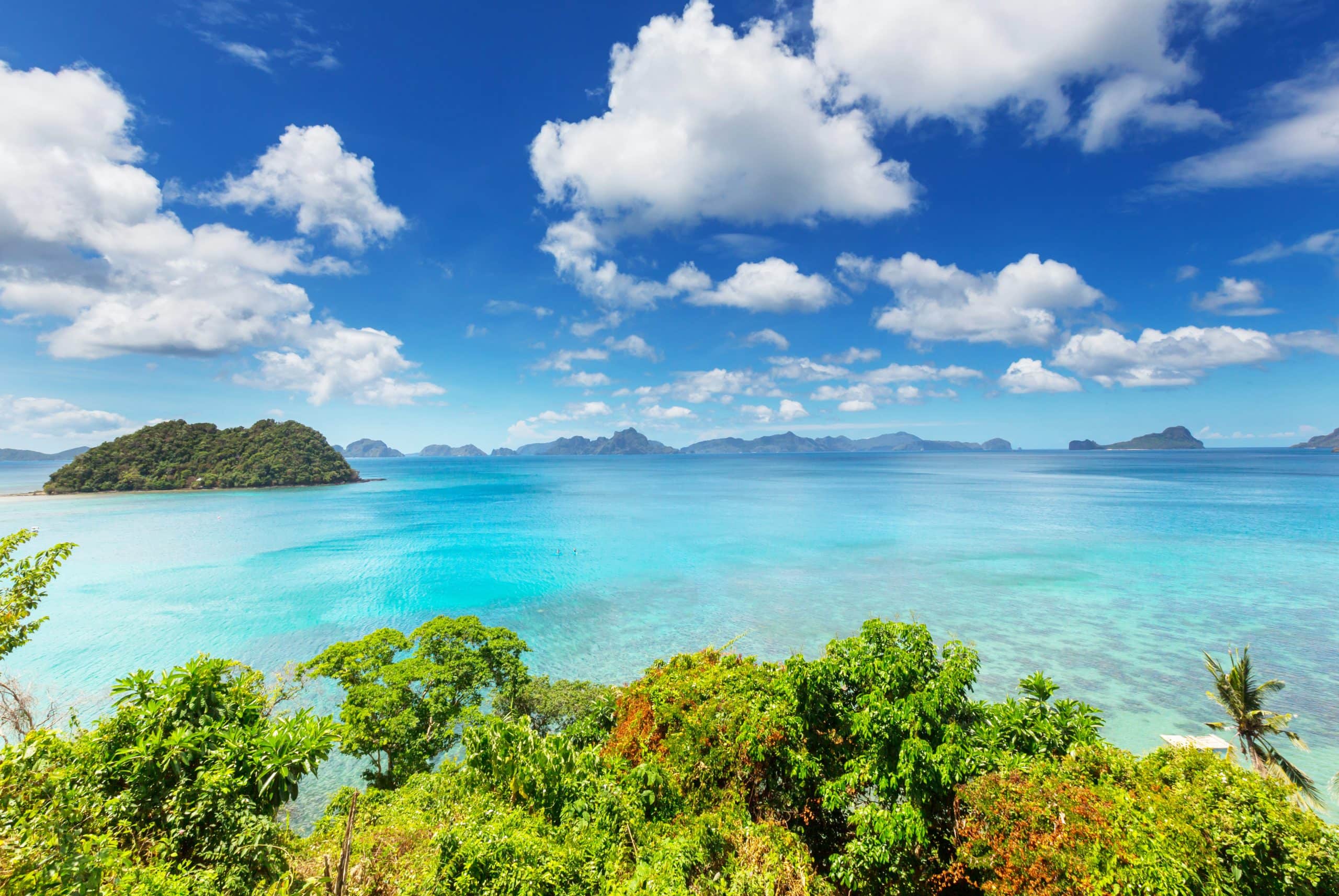
I’ve visited the Philippines during the dry season, wet season and Christmas holidays, and I wouldn’t say there’s a bad time to go. One thing to remember is that the seasons can be quite different depending on which side of the country you’re visiting.
For most popular destinations like Palawan, Boracay and Cebu, I’d aim for March to May, although it can get pretty hot and humid.
Dry Season (December to May)
This is generally the best time for beaches, island hopping and scuba diving in much of the country. March to May would be my preference, with plenty of sunshine and usually calmer seas.
Christmas and New Year can get especially busy and expensive. I’ve seen flight prices nearly double around the holidays, so I’d book early if you’re travelling then.
Wet Season (June to November)
I’ve spent plenty of time in the Philippines during the wet season, and it’s still a good time to visit. It can get incredibly hot and muggy, with heavy rain one minute and sunshine the next.
The biggest downside is rougher seas, which can affect ferries, island hopping and scuba diving. On the plus side, flights and accommodation can be cheaper, and you’ll generally find fewer tourists.
Best Philippines Itinerary for Scuba Diving
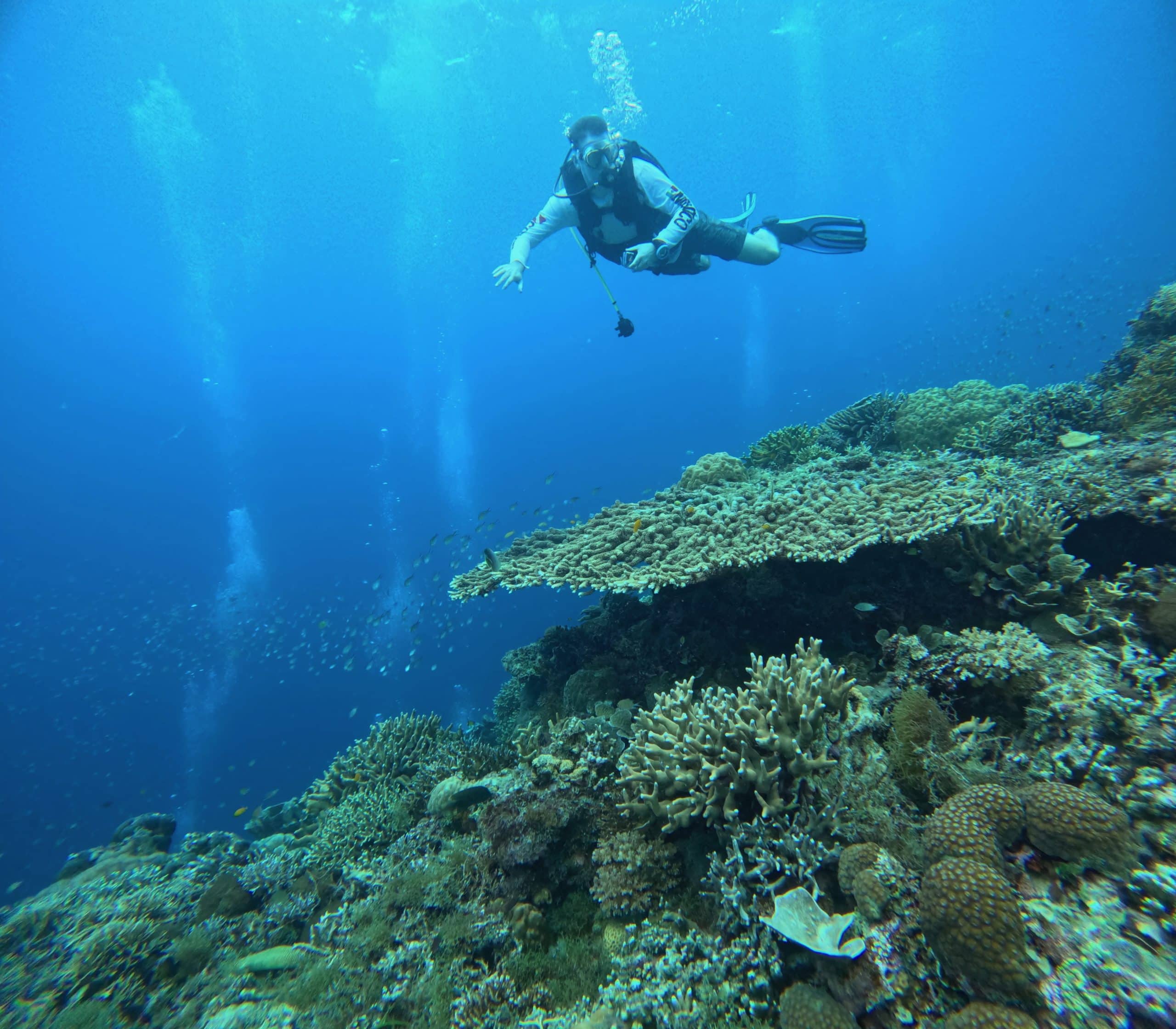
The Philippines is one of my favourite countries for scuba diving, and you don’t need to travel far between islands to find excellent dive sites.
Depending on where you’re flying into, here are some of the areas I’d consider:
- Near Manila: Anilao is known for its macro diving, while Puerto Galera, just across the strait on Mindoro, has some of the best diving in the country, including excellent shore diving around Sabang.
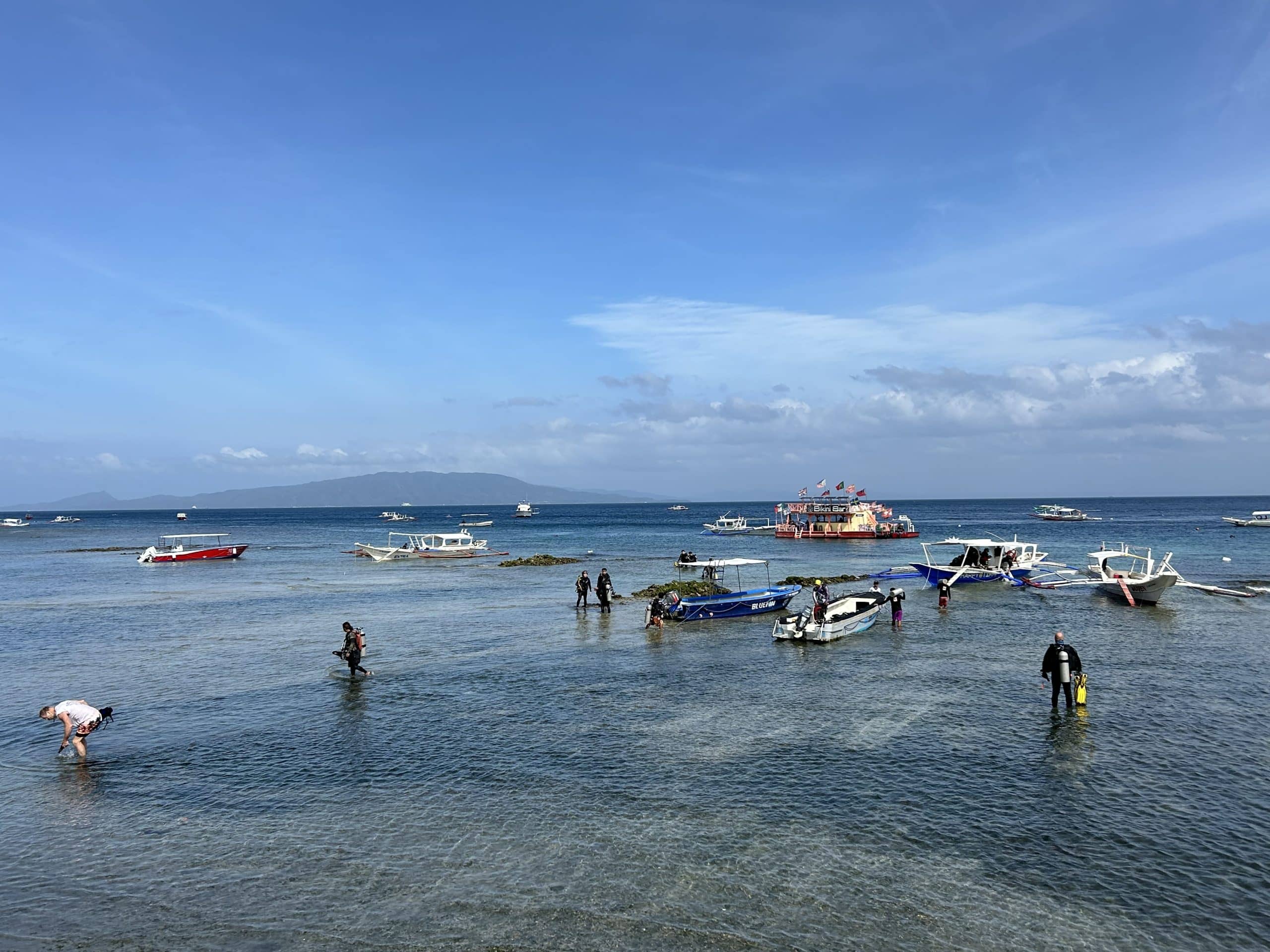
- Cebu: Malapascua is famous for its thresher sharks, while Moalboal has the sardine run, Pescador Island is also an unusual dive site that’s a great option.
- Bohol: Balicasag Island is the big attraction, but there are also excellent sites around Panglao, including Pamilican island and Doljo Point. Anda on the eastern side of Bohol is another area worth considering.
- Negros: Dumaguete and Dauin are well known for muck diving, with nearby Apo Island offering some incredible reefs and marine life.
- Coron: One of the best places in the Philippines for wreck diving, with several Japanese ships sunk during World War II.
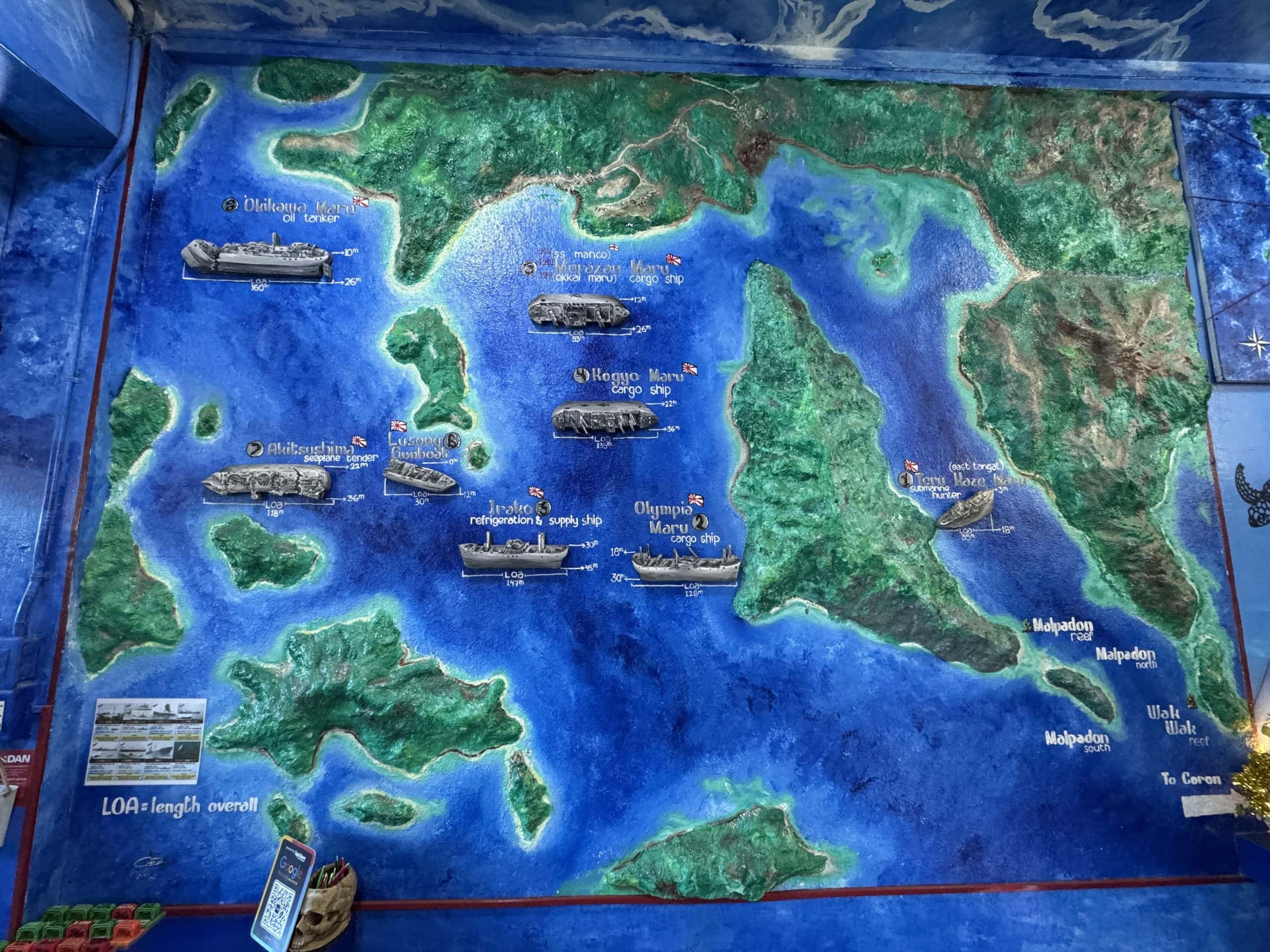
Any of these destinations could easily fill a seven day diving trip, and even better when added to a longer itinerary.
For something different, there are also liveaboard trips to remote dive destinations such as Tubbataha Reefs and Apo Reef, although these require more planning and depend on the season.
Philippines Itinerary FAQs
How Many Days in the Philippines Is Enough?
I’d recommend at least 10 to 14 days. A week is enough for one destination, but two weeks gives you more time to explore without rushing.
What Is the Best Itinerary for a Trip to the Philippines?
For 10 days, I’d recommend El Nido and Coron or Cebu and Bohol. With two weeks, you can add another destination or spend more time exploring each place.
Should I Visit Palawan or Cebu?
Palawan is famous for its limestone cliffs, lagoons and island hopping. Cebu is a great choice for waterfalls, the Moalboal sardine run and scuba diving. I’d choose based on what interests you most.
Do I Need to Visit Manila?
Not necessarily. Having lived there for five months, I’d say a day or two is enough for most tourists.
Final Thoughts on Planning Your Philippines Itinerary
After four trips to the Philippines, my biggest advice is not to try to see everything. Pick the places that interest you most and give yourself enough time to enjoy them.
It’s one of my favourite countries to travel, and whether you’re going for a week or a month, there’s plenty to see and do.
Once you’ve settled on your itinerary, check out my Philippines Travel Guide for more tips on planning your trip.